Customized Electric Vehicle Charger Enterprise
Home

Blog

Blog

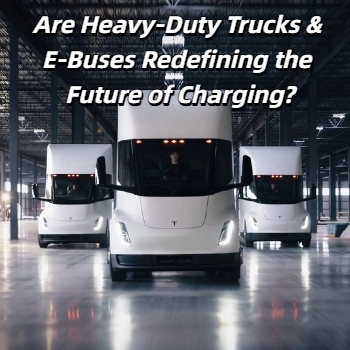
  • Are Heavy-Duty Trucks & E-Buses Redefining the Future of Charging?
    Are Heavy-Duty Trucks & E-Buses Redefining the Future of Charging?
    Dec 03, 2025
    🚛🔌🚌As global transportation pushes toward deep decarbonization, heavy-duty trucks and commercial e-buses are becoming the next strategic battlefield for high-power EV charging. Their massive battery systems, long daily mileage, and tightly scheduled operations are reshaping how charging networks must be designed and deployed.  🚚 Why Are Heavy-Duty Vehicles Becoming the New Catalyst for Electrification? The electrification of commercial fleets is accelerating rapidly. According to the IEA Global EV Outlook 2025: Electric heavy-duty truck sales grew 45% year-over-year in 2024 The global e-bus fleet exceeded 1 million units By 2030, heavy commercial vehicles will account for over 40% of total new charging demand Compared with passenger EVs, commercial HDVs run longer distances, consume far more energy, and rely heavily on predictable charging schedules, making charging infrastructure a decisive success factor. ⚡ Why Do Heavy Vehicles Require Far Higher Charging Power? Heavy-duty commercial vehicles typically carry batteries 5–10× larger than passenger EVs. For example: 🔷E-buses often carry 350–500 kWh battery packs 🔷Electric trucks frequently reach 600–1,200 kWh 👉 As a result, charging power must scale accordingly. Global deployments now include: 🔷350–600 kW fast DC chargers for depots and logistics hubs 🔷Europe’s MCS (Megawatt Charging System) pilot sites delivering 1.2–3 MW charging Fast, high-power replenishment is essential to keep buses and trucks running on schedule, making “high-power DC + intelligent load management” the new industry norm. 🔋 Why Must Charging for Heavy Vehicles Rely on a Grid-Storage-Charging Hybrid Approach? Truck depots and bus terminals often charge multiple large-battery vehicles simultaneously, leading to extremely high peak loads. For example: A depot with 50 e-buses, each charging at 300 kW, may require up to 15 MW — comparable to the load of a small industrial park. To maintain grid stability and reduce costs, many operators now adopt: ⚡ Grid upgrades (transformers, distribution enhancements) 🔋 Battery energy storage systems (BESS) for peak shaving 📡 Smart charging algorithms to avoid simultaneous peak charging This integrated model is rapidly becoming the most feasible and economical solution for large commercial fleets. 🏭 How Can Fleet Operators Reduce TCO Effectively? Total Cost of Ownership (TCO) is the most critical economic indicator for fleet electrification. With the right charging strategy, operators can reduce energy expenses by 15–30%. Key strategies include: Off-peak charging to reduce tariffs 🕒 Distributed storage to minimize demand charges 🔋 AI-based charging scheduling 📊 Higher charging efficiency with reduced vehicle downtime 🚍 For fleet operators, the priorities remain clear: charge faster, charge smarter, charge cheaper. 🚀 Why Are FES Power Solutions Optimized for Heavy-Duty Charging? FES Power provides a high-performance charging portfolio specifically designed for bus depots, logistics hubs, and highway corridors. Our advantages include: 🔹 High-power DC solutions from 30–780 kW Covering ultra-fast charging needs for commercial fleets. 🔹 Modular architecture for flexible scalability Scale power modules based on fleet growth and investment plans. 🔹 Dual/Triple-connector systems with intelligent power distribution Supporting multiple vehicles charging in parallel to maximize station efficiency. 🔹 Full OCPP support + remote monitoring platform Improving operational efficiency and minimizing maintenance costs. 🔹 Compatibility with CCS2 / GB/T / and MCS-ready designs Meeting requirements across global markets. ✨ Special Highlight: FES Power Mobile Charging Truck — with Customizable Battery Capacity In addition to fixed high-power chargers, FES Power also offers a Mobile Charging Truck designed for flexible deployment at depots, temporary sites, rescue charging, or events. 💡 Key advantage: 👉 Battery capacity is fully customizable based on client needs — from standard pack configurations to high-capacity energy modules for long-range or high-power applications. This provides fleet operators with a dynamic, on-demand charging resource, especially valuable for large depots, remote sites, or operations undergoing transition to full electrification. 🧩 What Challenges Still Slow Down Heavy-Duty Electrification? Despite rapid progress, the industry faces several obstacles: 🛠 High cost and long timelines for grid expansion 🔌 Megawatt-level charging still in early commercial deployment 📍 Uneven coverage of highway charging corridors 💸 High upfront investment for large fleet depots 📡 Lack of digital management capabilities among some operators The shift from small demonstrations to full-scale deployment will require coordinated upgrades in infrastructure, standards, and operational models. 🌐 Where Is the Industry Heading in the Next 5 Years? Experts agree that 2025–2030 will be the breakout period for commercial vehicle charging ecosystems. Key trends include: MCS megawatt charging moving from pilots to commercial rollouts ⚡ “Charging + Storage” becoming standard at depots 🔋 V2G applications entering fleet operations 🔄 Digitalized fleet energy management becoming a core competitive advantage 📊 Heavy-duty electrification is not only an energy transition—it is also a catalyst for smarter, more efficient mobility systems.
    Read More
  • How Are EV Charging Networks Evolving Beyond “More Chargers”?
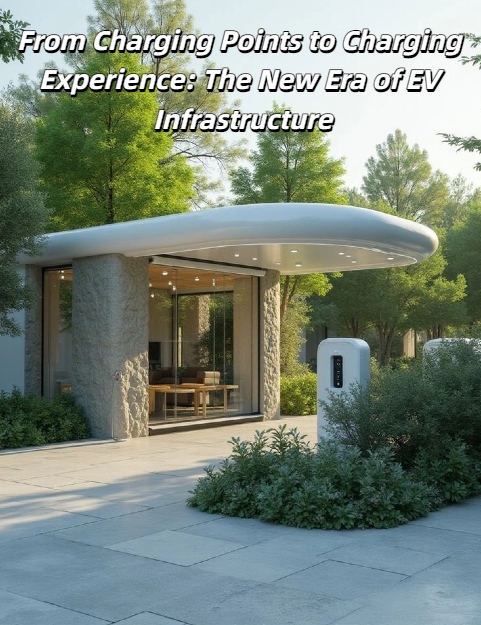
    How Are EV Charging Networks Evolving Beyond “More Chargers”?
    Dec 05, 2025
    🔌As global EV adoption accelerates, charging infrastructure is entering a critical transition. The focus is shifting from volume expansion to reliability, software intelligence, and user-centric service. The latest industry data makes one thing clear: having chargers is no longer enough—having dependable, smart, and seamless charging matters more. 🤔Why Is Reliability Becoming the Core Metric of Charging Networks? Public charger availability continues to grow, yet reliability remains a major challenge. 🔸According to J.D. Power’s 2025 Public Charging Experience Study, over 20% of DC fast-charging attempts fail, often due to charger malfunctions, communication issues, or payment errors. 🔸Even though infrastructure deployment is accelerating across major markets, reliability scores have stagnated, creating growing frustration among EV drivers. With more automakers unifying around standards like NACS in North America, network consistency, uptime, and cross-compatibility are becoming essential for EV adoption. ❔How Is High-Power Fast Charging Transforming the EV User Journey? Fast charging is now central to the EV ecosystem. 🔸Deployment of 150kW+ fast-charging stations has increased by more than 70% in the past two years. 🔸350kW ultra-fast chargers can deliver 80% range in just 15–20 minutes for supported vehicles. 🔸User satisfaction at 200kW+ locations is over 35% higher than at low-power AC stations. This shift indicates a clear industry direction: higher power, multi-connector architecture, smarter load distribution, and grid-friendly charging solutions. ⁉️Why Are Software, Connectivity, and Smart-Charging Becoming Central to Infrastructure? Charging stations are rapidly evolving from hardware-only devices into software-defined energy terminals. Key impacts include: 🔸Real-time monitoring increases charger uptime by 15–25%. 🔸Dynamic load management reduces grid strain by 20% or more during peak sessions. 🔸Remote diagnostics and live station visibility cut downtime by over 40%. The competitive advantage is shifting—from who deploys more chargers to who delivers a seamless, intelligent, predictable charging experience. 🗺️Are Retail Centers, Hotels, and Highways Becoming Strategic Charging Hotspots? Absolutely—and growth is accelerating. 🔸Over 45% of new DC fast-charging sites are built at commercial properties, including malls, hotels, and restaurants. 🔸Highway corridor DCFC deployment, especially under NEVI-based programs, is one of the fastest-growing segments. 🔸Commercial properties with charging stations see 7–12% higher parking revenue and significantly longer customer dwell times. Charging is no longer just an energy refill—it is becoming a traffic generator and commercial value driver. ⚡🚀Where Does FES Power Contribute to the Next Generation of EV Charging?  As the industry transitions from “more chargers” to “better charging,” FES Power directly aligns with the next-generation infrastructure needs. 🌟 Why FES Power Stands Out High-Reliability Architecture: > 98% uptime, ensuring maximum operational availability Full Power Range Portfolio: 🔸7–22kW AC wallbox chargers 🔸30–120kW mid-power DC chargers 🔸180–720kW ultra-fast DC systems with dynamic power allocation Advanced Smart-Charging Platform 🔸Real-time monitoring 🔸Intelligent scheduling 🔸Remote diagnostics & automated O&M alerts Versatile Deployment Scenarios 🔸Highways, malls, fleets, fuel stations, hotels, residential communities Global Standard Compatibility 🔸CCS1/2, GB/T, CHAdeMO, and optional NACS Optimized ROI for Operators Lower downtime + high efficiency = faster payback 🚀 FES Power focuses not on selling “more chargers,” but on enabling operators to build reliable, smarter, and more profitable charging networks. How Will User Experience Redefine the Future of EV Charging? EV users increasingly expect charging to function like a modern service—not a utility. Key expectations include: 🔸Charging near retail, food, or rest areas 🔸Real-time station information and reliable uptime 🔸Minimal steps through Plug-and-Charge and automated authentication 🔸Fast, predictable, and safe charging sessions As a result, charging is evolving into an integrated service ecosystem, not a standalone interaction. What Comes Next for the EV Charging Ecosystem? The next five years will redefine the global charging landscape: 🔹 Quantity → Reliability 🔹 Hardware → Software + Services 🔹 Slow Charging → Fast-Charging First 🔹 Isolated Installations → Network-Based Operations 🔹 Basic Chargers → Energy-Managed Smart Nodes (EMS / V2G) EV charging is shifting from a simple device into a connected, intelligent, experience-driven energy network.
    Read More
  • What Types of Batteries Are Used in Energy-Storage Charging Stations?
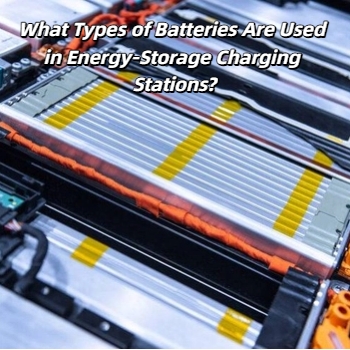
    What Types of Batteries Are Used in Energy-Storage Charging Stations?
    Dec 08, 2025
    As EV charging infrastructure continues to evolve, energy storage systems (ESS) are becoming a critical component in enabling fast, stable, and cost-efficient charging. One of the most important parts of an ESS is the battery, and understanding the differences between various battery chemistries can help operators make smarter investment decisions. This article explains how battery technologies for charging stations have developed, compares the advantages and disadvantages of the main battery types, and highlights how FES Power integrates the best solutions into our energy-supported EV charging systems. 🔎 How Have Batteries Used in ESS for Charging Stations Evolved? Early EV charging stations relied solely on grid power. However, with the rise of high-power chargers (120–720 kW), the grid alone became insufficient due to: 🔸High peak load fees 🔸Grid connection limitations 🔸Voltage instability in certain regions 🔸Increased demand for rapid, large-scale EV charging To address these challenges, battery-based energy storage was introduced. Over the past decade, ESS batteries have evolved through several stages: 🔷Lead-acid batteries → outdated due to low efficiency and weight 🔷LFP (Lithium Iron Phosphate) becomes mainstream due to safety 🔷NCM/NCA (Ternary Lithium) used for high-power applications 🔷Sodium-ion batteries emerging for cold regions and low-cost projects 🔷Solid-state batteries appear as future high-energy-density solutions Today, most charging-station ESS systems use LFP, NCM, or Sodium-ion depending on safety requirements, cost considerations, and performance needs. ❓ What Are the Advantages and Disadvantages of Each Battery Type? Below is a detailed technical comparison commonly referenced for EV charging-station ESS design. 1. LFP (Lithium Iron Phosphate) – Why Is It So Widely Used? Advantages: 🔥 High thermal safety; low risk of fire 📉 Long lifespan (4,000–8,000 cycles) 🌡 Strong high-temperature performance 💰 Lower cost compared to ternary lithium 🛠 Easy to maintain Disadvantages: ⚡ Lower energy density → requires more physical space ❄ Reduced performance in cold climates Best applications: ✔ Public fast-charging stations ✔ Logistics fleet charging hubs ✔ Industrial or commercial charging depots 2. Ternary Lithium (NCM/NCA) – Why Do Ultra-Fast Chargers Prefer It? Advantages: ⚡ Very high energy density 🔋 Strong high-rate charge/discharge capability ❄ Better low-temperature performance Disadvantages: 🔥 Lower safety than LFP, requires strict BMS management 💸 Higher cost 🌡 Sensitive to overheating Best applications: ✔ Ultra-fast charging stations (350–720 kW) ✔ Space-limited ESS installations ✔ Heavy-duty truck charging centers 3. Sodium-Ion Batteries – A New Choice for Cold Regions? Advantages: ❄ Very strong low-temperature performance 💰 Extremely low material cost 🔥 High safety 🌍 No resource scarcity issues (sodium is abundant) Disadvantages: ⚡ Lower energy density 🧪 Technology still developing 📦 Limited mass-production scale (as of today) Best applications: ✔ Northern cold regions ✔ Cost-sensitive infrastructure projects ✔ Large-capacity charging hubs 4. Solid-State Batteries – Are They the Future of ESS? Advantages: 🔥 Almost no thermal runaway risk ⚡ Extremely high theoretical energy density 🔁 Long cycle life 🌡 Strong stability under extreme temperatures Disadvantages: 💸 Very high cost 🧪 Not yet widely commercialized 🏭 Manufacturing process is complex Best applications: ✔ High-end demonstrative charging stations ✔ Future ultra-fast charging hubs ✔ Technology showcases or pilot projects ⚡ How Does FES Power Select Batteries for Different Charging Scenarios? At FES Power, we design ESS-enhanced EV charging solutions based on safety, cost efficiency, environmental conditions, and required charging power. Our ESS Portfolio: 🔋 Containerized Energy Storage System (500 kWh – 2 MWh) Supports LFP and Sodium-ion Ideal for large public charging hubs 🔋 Cabinet-Type ESS (100 – 300 kWh) Supports LFP and Ternary Lithium Suitable for small or space-restricted fast-charging sites ⚡ Boost-Buffer Energy System (for 180–720 kW DC Chargers) High-rate battery configurations (LFP or NCM) Enables ultra-fast charging even under weak grid conditions 🧠 EMS & Energy Optimization System 🔸Works with all battery chemistries 🔸Reduces peak demand charges 🔸Maximizes charging-station ROI By selecting optimal battery technologies, FES Power helps charging operators achieve: 🔸Lower operating costs 🔸Greater charging stability 🔸Higher power output 🔸Safer and more reliable station operation 📌 Conclusion: Which Battery Is Best for ESS-Supported Charging Stations? There is no universal “best” battery type — it depends on the application scenario: 🔸Choose LFP for safety, long lifespan, and general fast-charging sites 🔸Choose NCM for ultra-fast charging or space-limited installations 🔸Choose Sodium-ion for cold regions and cost-sensitive projects 🔸Watch Solid-State as the next-generation high-performance option With the right ESS configuration, charging stations can deliver more stable power, lower costs, and better user experience, accelerating the global adoption of electric vehicles.
    Read More
  • Why Are Charging Modules Becoming the Core Driver of Next-Generation EV Charging?
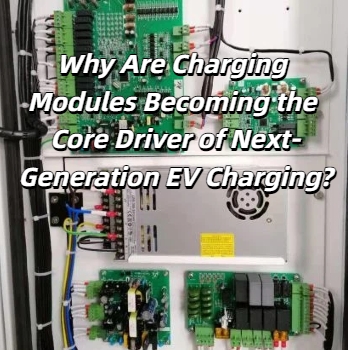
    Why Are Charging Modules Becoming the Core Driver of Next-Generation EV Charging?
    Dec 10, 2025
    Charging modules are the “power heart” of every DC fast charger. Their evolution directly shapes charging speed, efficiency, safety, and long-term reliability. As global EV adoption accelerates, charging module technology is undergoing rapid and transformative upgrades. 🚀This blog walks through what a charging module is, how it has evolved, what the future will look like ❓What Exactly Is a Charging Module and Why Is It So Important? A charging module is the core power conversion unit inside a DC charger. Its main role is to convert AC power → into → stable DC power for the EV battery. In simple terms: No module = no DC charging Module performance = the limits of fast-charging capability A high-quality module ensures: ⚡ Faster charging output 💡 Higher conversion efficiency 🔥 Lower heat losses and greater stability 🔧 Easier maintenance and scalability ❓How Has Charging Module Technology Evolved Over Time? Over the past few years, charging modules have experienced major technological upgrades: 1️⃣ From bulky hardware → to compact and high-density design Advances in power electronics and materials have significantly reduced size and weight while improving thermal management. 2️⃣ From limited voltage range → to ultra-wide voltage output (typically 150–1000V) This unlocks compatibility with a wider range of EV models and battery architectures. 🚗🔋 3️⃣ From analog control → to fully digital and intelligent modules Modern modules now integrate: Digital control processors CAN/Ethernet communication Smart fault diagnostics Dynamic power allocation This makes charging stations far more intelligent and responsive. 🤖 4️⃣ Efficiency improvements from ~92% → above 96% Higher efficiency means lower energy loss and reduced long-term operational costs—critical for commercial charging operators. ❓Where Is Charging Module Technology Heading in the Future? As ultra-fast charging becomes mainstream, module evolution is moving toward higher power, enhanced thermal performance, and full intelligence. Key future trends include: 🔮 Higher-power single modules (≥50 kW each) Reducing module count increases stability and lowers maintenance workload. 🔮 Advanced cooling—liquid-cooled modules will dominate Essential for 480 kW–600 kW charging systems. 🔮 Even higher conversion efficiency Targeting >97% system efficiency to reduce energy waste. 🔮 Smarter algorithm-driven power control Modules will allocate power in real time based on each vehicle’s demand—supporting true dynamic dual-gun or multi-gun fast charging ⚡⚡. 🔮 Long-life design + predictive maintenance AI-based cloud monitoring will drastically reduce downtime and service interruptions. Future charging modules will act less like a simple power supply and more like a fully intelligent energy management engine. ❓Why Choose FES Power’s Modular DC Chargers? As a manufacturer specializing in DC fast-charging and customizable power systems, FES Power delivers industry-leading modular solutions built for long-term performance. ⭐ Customizable Output: 30 kW – 780 kW Flexible Configurations Perfect for passenger cars, commercial fleets, logistics hubs, and heavy-duty EV applications. ⭐ High-Efficiency Power Modules Optimized topology & smart thermal design ensure stable performance even during long-duration high-load operation. ⭐ Wide Voltage Platform (150–1000V) Compatible with both new and legacy EV platforms. ⭐ Hot-swappable modular design Modules can be replaced within minutes—minimizing downtime and maximizing uptime. ⭐ Support for small batches & tailored projects Ideal for distributors, integrators, and infrastructure developers seeking flexible solutions. 🌟 Whether you're building a public charging station or equipping a fleet depot, FES Power’s modular DC chargers help you reduce operating costs, improve performance, and accelerate deployment. ❓Why Does Module Evolution Matter for the Future of EV Charging? Because the charging experience is determined by the module behind it. As modules become more efficient, more intelligent, and more reliable, EV drivers will experience charging that feels as fast and seamless as smartphone fast charging. Over the next three years, charging module innovation will define competitive advantage in the EV charging industry. Manufacturers with strong module technology—like FES Power—will lead the next wave of ultra-fast, smart, and reliable charging solutions. If you’re looking for high-efficiency, customizable DC charging options, 👉 FES Power is your ideal partner.
    Read More
  • How Should Home EV Chargers Evolve?
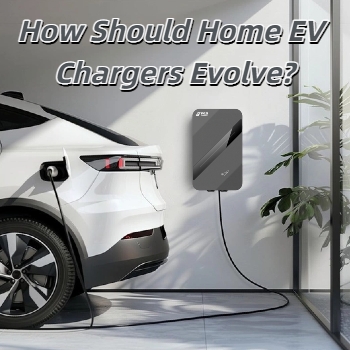
    How Should Home EV Chargers Evolve?
    Dec 12, 2025
    🧠💫As EV adoption grows across global markets, home charging has become the core experience for most drivers. More than 80 percent of EV owners rely on residential charging as their primary method, making the performance, intelligence, and safety of home chargers increasingly important. Today’s devices are no longer simple AC boxes mounted on a wall—they are evolving into key components of the smart-home energy ecosystem. 🤔What Are the Common Home Charger Types Today? Most home charging solutions fall into two primary categories, each serving different usage scenarios: 💫1. Portable AC Chargers (2.3–7.4 kW) These lightweight units are ideal for users who need mobility—renters, frequent travelers, or households without dedicated parking facilities. Typically operating on single-phase 220–240V power, portable chargers include adjustable current settings, built-in temperature sensors, and essential protective circuits. Their convenience and plug-and-charge simplicity make them a popular choice worldwide. 💫2. Wall-Mounted AC Chargers (7 kW / 11 kW / 22 kW) These represent the mainstream of home charging. Wall-mounted chargers offer faster charging, more communication options, and advanced safety functions such as RCD protection, real-time monitoring, and app connectivity. In three-phase markets, 11 kW and 22 kW models are becoming increasingly common, enabling full overnight charging even for larger-battery EVs. ⁉️What Do EV Owners Really Want From Home Charging? Recent consumer studies reveal several consistent expectations: 🔷Reliability and uptime rank as the most important purchase factor. 🔷Real-time monitoring and app control are becoming essential, not optional. 🔷Safety confidence—including heat management and leakage protection—is now a top concern among new EV owners. 🔷Energy efficiency increasingly influences purchasing, with users comparing standby consumption and conversion efficiency between brands. More importantly, awareness of electrical infrastructure limitations has increased. Many EV drivers now consider panel capacity, load distribution, and breaker protection before choosing a charger, signaling a shift toward more informed and technically engaged consumers. Which Technologies Are Defining the Next Stage of Home Charging? The future of home charging revolves around smarter integration and more efficient use of household energy. Key optimization directions include: 💫1. Dynamic Load Balancing (DLB) By monitoring household energy consumption through CT sensors, chargers can automatically adjust output current to prevent overload. This reduces installation costs by avoiding panel upgrades and improves overall system safety. 💫2. Smart Scheduling Based on Tariffs Time-of-use (TOU) optimization allows the charger to schedule charging during off-peak hours. Advanced firmware can analyze driving habits, automatically preparing the vehicle based on expected daily mileage. 💫3. Solar and Energy-Storage Integration As more homeowners deploy rooftop solar and residential batteries, chargers are evolving to support solar matching, zero-export control, and energy-management system (EMS) communication. This maximizes renewable usage and reduces energy costs. 💫4. Bidirectional Charging (V2H / V2G) Readiness Although still emerging, AC bidirectional capability is on the horizon. Future-ready chargers must be compatible with ISO 15118-20 communication and power-conversion architectures that support reverse energy flow. 💫5. Remote Diagnostics and OTA Upgrades More advanced temperature monitoring, error-analytics, and OTA firmware support are allowing chargers to improve performance throughout their life cycle while reducing maintenance costs. ❓How Do FES Power’s Home Chargers Support These Trends? FES Power’s home-charging lineup is built around flexibility, safety, and intelligent energy use. EP01 / EP02 Portable Chargers These portable units offer adjustable current, IP65 protection, reinforced thermal and electrical safety, and optional app-enabled monitoring. Designed for mobility, they provide reliable charging at home, in apartments, and on the road. EC01 Wall-Mounted Charger The EC01 supports 7 kW (and optional 11/22 kW) AC charging with enhanced RCD protection, Wi-Fi/Ethernet/Bluetooth connectivity, dynamic load balancing, and OTA firmware updates. Designed for long-term residential use, it aligns with future smart-home and distributed-energy requirements. ❔Where Is Home EV Charging Headed Next? Looking ahead, home charging will evolve along three major vectors: AI-assisted charging routines—automatically customized to driving behavior. Deeper integration with solar, home batteries, and grid services. More portable, adaptable charger designs for multi-scenario use. As home energy systems become more interconnected, the EV charger will move from a single-function tool to an intelligent energy hub—powering a safer, smarter, and more efficient EV lifestyle.
    Read More
  • The Magic of Mobile Charging
    The Magic of Mobile Charging
    Dec 15, 2025
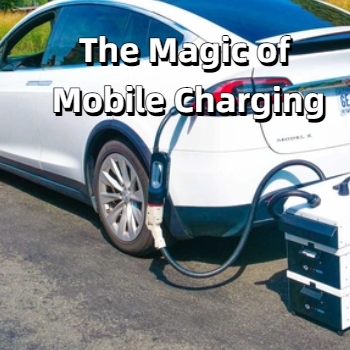
    How EV Charging Is No Longer Limited by Location As electric vehicles continue to gain global adoption, charging infrastructure has become a critical topic. However, in real-world scenarios, not every location is suitable—or ready—for fixed charging station deployment. 🚗🔋New industrial parks with limited grid capacity, temporary events with high vehicle density, fleet operations requiring fast turnaround, or EVs running low on power on the road —these challenges are exactly where mobile charging solutions reveal their true magic. 🔍What Is a Mobile EV Charger?  In simple terms, a mobile EV charger is a self-contained system that integrates energy storage and charging functionality into a movable unit. It stores electricity in advance and delivers power directly to electric vehicles when and where it is needed—without relying on fixed high-capacity grid connections. You can think of it as: “A compact charging station that comes to the vehicle.” Core Components of a Mobile Charging System (Explained Simply) 🧩 A professional mobile EV charging solution typically consists of the following key elements: 🔋Energy Storage System  This is the heart of mobile charging. High-safety lithium battery systems are commonly used to store energy. 🔸Multiple battery capacity options 🔸Customizable based on application needs 🔸Integrated Battery Management System (BMS) for safety and stability ⚙️Charging Modules  Charging modules determine: 🔸Output power 🔸Vehicle compatibility 🔸Charging efficiency and reliability Mobile chargers can support AC charging or DC fast charging, depending on system design and customer requirements. 🧠Energy Management & Control System  This system coordinates battery performance and power output, enabling: 🔸Intelligent power distribution 🔸Multi-level safety protection 🔸Real-time monitoring and fault alerts 🛠️Mobility & Structural Design  Depending on usage scenarios, mobile chargers may feature: 🔸Wheeled designs for easy movement 🔸Vehicle-mounted or trailer-based configurations 🔸Outdoor-ready protection and durability 📍Where Does Mobile Charging Work Best?  Mobile charging is not meant to replace fixed charging stations—but it excels in scenarios where flexibility and speed matter most. 🚨 Emergency Charging & Roadside Assistance When EVs run out of power or charging stations are unavailable, mobile chargers can be dispatched directly to the vehicle, reducing towing costs and downtime. 🚕 Fleet & Commercial Operations Ride-hailing, taxi, and logistics fleets can use mobile charging for centralized, off-peak charging—boosting vehicle utilization and operational efficiency. 🏨 Parking Lots, Hotels & Commercial Spaces For locations without grid upgrades or permanent installations, mobile charging offers a low-investment pilot solution to meet immediate demand. 🏗️ New Developments & Infrastructure Transition Periods Mobile charging bridges the gap while permanent charging stations are under construction or grid expansion is pending. 🎪 Events, Exhibitions & Test Drive Activities Fast deployment, no temporary wiring, and easy removal make mobile charging ideal for short-term, high-density EV usage scenarios. 🚀FES Power’s Mobile Charging Solutions  At FES Power, we understand that mobile charging must adapt to diverse real-world scenarios. That’s why we have developed a flexible product portfolio designed for different power levels and applications. 🔹 Meta Series Mobile Chargers The Meta Series is built for maximum flexibility and multi-scenario deployment: Ideal for commercial sites, fleet operations, and emergency charging Compact design and easy deployment Multiple power configurations available Customizable battery capacity to match specific project needs Perfect for customers who need a fast, adaptable charging solution. 🔹 E-120 Mobile DC Charging System The E-120 is designed for higher-power, high-efficiency mobile DC charging: Supports DC fast charging applications  Suitable for fleets, logistics vehicles, and heavy-duty use cases Focused on stable performance and continuous power output Customization: The True Advantage of Mobile Charging 🧩✨ Unlike traditional fixed charging stations, mobile charging is highly scenario-driven. At FES Power, customization is a core part of our design philosophy: ✅ Battery capacity can be customized ✅ Output power can be customized ✅ AC or DC charging options available ✅ Structural and mobility designs adaptable As we believe: There is no one-size-fits-all mobile charger—only solutions that best match real-world needs. Final Thoughts 💡 The magic of mobile charging lies not in replacing fixed charging stations, but in transforming the charging experience—from “waiting for power” to “power coming to you.” 🌍As charging demand becomes more diverse and infrastructure development progresses at different speeds, mobile charging is becoming an essential part of the EV ecosystem. And this is exactly why mobile charging represents one of the most exciting directions in the future of EV infrastructure.
    Read More
  • Why Are More B2B Customers Choosing Customizable-Power DC EV Chargers?
    Why Are More B2B Customers Choosing Customizable-Power DC EV Chargers?
    Dec 17, 2025
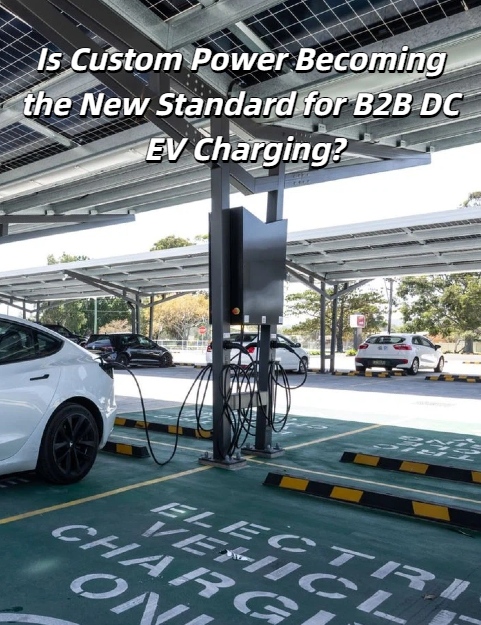
    For B2B customers, EV chargers are not showcase products—they are long-term infrastructure investments that must operate reliably and deliver a measurable return. Fixed-power DC chargers often create challenges in real deployments: ⚠️ Grid capacity constraints Many commercial sites—parking facilities, hotels, industrial parks, or logistics hubs—cannot support high-power chargers without costly grid upgrades. 💰 Unnecessary upfront investment (CAPEX) Over-specifying power often increases costs without improving utilization. 🔒 Limited flexibility for future expansion Fixed configurations can make scaling or adjusting power difficult later on. The result? Impressive specifications on paper, but suboptimal ROI in practice. ❓ What Do B2B Charging Scenarios Actually Need? Different B2B applications place very different demands on charging infrastructure: 🏨 Hotels & commercial parking Focus on balanced power distribution, simultaneous charging, and energy efficiency. 🚗 Dealers & showroom facilities Need compatibility with multiple vehicle models rather than maximum charging speed. 🚚 Fleet & logistics operations Prioritize stability, uptime, and predictable performance. 🏭 Industrial parks & business campuses Require phased deployment aligned with existing grid capacity. As a result, B2B buyers are increasingly asking: 🔸Can the charging power be customized to match current grid conditions? 🔸Can we start with lower power and scale up later? 🔸Is small-batch deployment supported for pilot projects? These questions explain why customizable-power DC chargers are gaining traction. ❓ What Are the Key Advantages of Customizable-Power DC Chargers? 🔹 1. How Can Custom Power Reduce Initial Investment? By aligning charger power with actual demand, businesses can: Avoid unnecessary grid expansion Reduce upfront equipment costs Improve overall project economics 🔹 2. How Does Custom Power Improve Flexibility and Scalability? Customizable configurations allow: Power levels that are not locked into a single fixed model Phased deployment strategies Easier future upgrades as demand grows 🔹 3. Why Does Power Matching Support Long-Term Operations? For B2B projects, reliability matters more than peak performance. Optimized power configurations help: Reduce long-term equipment stress Improve system stability Lower maintenance and operational costs 🛠️ ❓ How Does FES Power Support Customizable DC Charging for B2B Projects? At FES Power, our DC charging solutions are designed from the ground up with flexibility and real-world deployment in mind. 🚀 What We Offer B2B Customers: ⚡ Customizable DC charging power Configured based on site conditions and application requirements 📦 Small-batch customization support Ideal for pilot projects, regional rollouts, and specialized use cases 🧩 Modular system design Enables easier expansion and long-term maintenance 🏢 B2B-focused application support, including: Commercial real estate Fleet & logistics charging Dealer and distributor facilities Industrial parks and campuses Rather than simply delivering the highest power rating, we focus on one essential question: Does this configuration truly fit your project, grid capacity, and operating model? ❓ Is Power Customization the Future of B2B EV Charging? As the EV charging market becomes more mature, B2B customers are making more data-driven and practical decisions. Customizable-power DC chargers represent a shift from selling equipment to enabling successful projects. If you are planning a DC charging deployment—or looking for a flexible solution that can adapt to uncertain grid conditions and evolving demand—FES Power is ready to support your project with reliable, scalable DC charging solutions. 🔋 👉 Contact us to discuss your application scenario and customized power requirements.
    Read More
  • Which EV Charger Is Right for Home Use?
    Which EV Charger Is Right for Home Use?
    Dec 19, 2025
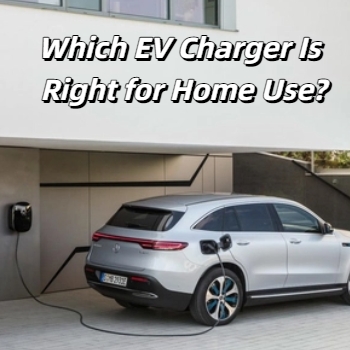
    ⚡A Beginner-Friendly Guide to Choosing the Right Home & Portable Charging Solution  After buying an electric vehicle, many owners quickly face a very practical question: “What kind of charging equipment is actually suitable for my home? Should I install a fixed home charger, or choose a portable charger?” For first-time users, it is easy to feel overwhelmed by power ratings, connectors, and technical specifications. This article is written in a purely educational and beginner-friendly way. Starting from different household and usage scenarios, it will help you clearly understand: The difference between fixed home EV chargers and portable chargers Which type of charging solution fits different household needs What core performance standards a home charging device should meet How to configure functions based on your real usage requirements Even if you are completely new to EV charging, you will be able to make a confident decision after reading this guide. ✅ 🤔 Do You Really Need to Install a Fixed Home EV Charger? This is often the very first question EV owners ask. The answer is: not necessarily. Today, home charging solutions generally fall into two categories: 🔹 Fixed home EV chargers: Wall-mounted or pedestal-mounted units designed for long-term installation 🔹 Portable EV chargers: Plug-and-play devices that can be carried with the vehicle and used in multiple locations calmly Different household conditions naturally lead to different optimal choices. 🏠 Which Households Are Better Suited for Fixed Home EV Chargers? If the following describes your situation: ✔️ You have a dedicated parking space (private garage or long-term parking spot) ✔️ Most charging happens at home ✔️ You prefer stable, automated, and hands-off charging Then a fixed AC home EV charger is likely the best solution. What Are the Advantages of Fixed Home EV Chargers? ⚡ Stable power output, ideal for long-term battery-friendly charging 🛡️ Comprehensive safety protection systems 📱 Optional smart features such as app control and scheduled charging 🔌 Well-suited for daily, routine charging A fixed charger functions much like home infrastructure—installed once and used reliably for years. 🧳 Who Should Consider a Portable EV Charger Instead? For users with more flexible living or driving patterns, portable chargers can be a smarter and more practical choice. ❓ Which Users Are Strongly Recommended to Choose Portable Charging? ✔️ Renters who cannot install a fixed charger ✔️ Drivers who frequently travel or drive across cities ✔️ Users who want one device for multiple charging scenarios ✔️ Households that want a backup solution alongside a fixed charger The core advantage of portable chargers is simple but powerful: 👉 flexibility, mobility, and freedom from installation constraints. ⚙️ What Core Performance Standards Should a Home Charging Device Meet? Whether fixed or portable, the following factors are essential. ❓ How Should You Choose the Right Power Level? ✅For most households: 🔹 7 kW AC charging already meets over 90% of daily home charging needs  🔹 Overnight charging for 6–8 hours is usually sufficient for next-day commuting Bigger is not always better. The key is: 👉 matching your household electrical capacity with your driving habits. ❓ What Safety Features Are Truly Important? For home charging equipment, safety always comes first. Key protections to look for include: 🛡️ Residual current (leakage) protection 🔥 Overvoltage, overcurrent, and overtemperature protection ⚡ Automatic power cutoff in case of electrical abnormalities 💧 Adequate enclosure protection (IP54 or higher recommended) For portable chargers in particular, stable performance across different environments is critical. ❓ Are Smart Features Really Necessary? For some users, smart functions are optional; for others, they significantly enhance daily experience. Common practical smart features include: 📱 App-based remote control ⏰ Scheduled charging to avoid peak electricity rates 📊 Charging data and energy tracking 🔄 OTA firmware upgrades Whether to include them depends entirely on personal preference and usage habits. 🔍 EP01 & EP02: Which Portable EV Charger Fits You Best? ❓ Who Is EP01 Designed For? 🧳⚡ EP01 is positioned as a lightweight, practical, plug-and-play portable charger. Ideal for users who: ✔️ Live in rental properties or temporary residences ✔️ Want a charger they can always keep in the vehicle ✔️ Have basic functional needs but prioritize safety and reliability Typical use scenarios: Home standard power outlets Temporary parking locations Backup charging alongside a fixed home charger ❓ Who Should Choose EP02? 📱🔌 EP02 is a more advanced portable charging solution with enhanced functionality. Ideal for users who: ✔️ Frequently drive across cities or regions ✔️ Want one device to cover multiple charging environments ✔️ Value smart control and functional scalability Key characteristics: Stronger feature expandability Multiple optional configurations available A balance between portability and enhanced user experience 🔋 EC01: When Does DC Charging Make Sense at Home? While AC charging remains the mainstream choice for residential use, some households have special requirements, such as: ✔️ Extremely high vehicle usage frequency ✔️ Strict demands on charging time ✔️ Special vehicle types or application scenarios EC01 provides a DC charging solution, typically suited for customized residential setups or semi-commercial applications. 🧩 Why Is Customization Important Even for Home Charging? Many users assume charging equipment is purely standardized, but in reality: We support: ✅ Small-batch customization ✅ Flexible feature selection ✅ Configurable power levels, connectors, and communication options Based on your household and driving needs, you can decide: 🔹 Whether smart features are required 🔹 Whether enhanced enclosure protection is needed 🔹 Whether the charger serves as a primary or backup solution 👉 The best charger is not the most complex one, but the one that truly fits your scenario. Final Thoughts: How Can Beginners Decide Quickly? Ask yourself these three simple questions: 1️⃣ Do I have a fixed parking space and permission to install a charger? 2️⃣ How frequently do I drive, and do I need portability? 3️⃣ Do I prioritize stability, or flexibility? The answers will naturally guide you toward: A fixed home EV charger A portable solution like EP01 or EP02 Or a combined approach If you are unsure which option suits you best, feel free to contact us. We can help design the most suitable home charging solution based on your real-world needs.
    Read More
  • How Is AI Smart Charging Reshaping the Future of EV Charging?
    How Is AI Smart Charging Reshaping the Future of EV Charging?
    Dec 22, 2025
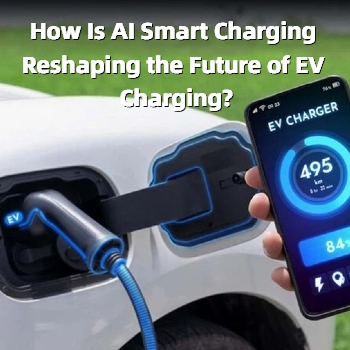
    As electric vehicles (EVs) move from early adoption to mass deployment, charging infrastructure is facing unprecedented pressure. Faster charging, grid stability, lower operating costs, and better user experience are no longer optional—they are essential. In this context, AI smart charging is emerging as a critical enabler, transforming conventional charging piles into intelligent energy nodes 🌍🔌 ⚡Why Is AI Becoming Essential in EV Charging Systems? 🧠 Traditional EV charging systems are largely reactive: power is delivered when a vehicle is plugged in, with limited awareness of grid conditions, user behavior, or energy pricing. This approach is increasingly inefficient at scale. AI changes this paradigm by introducing: Predictive decision-making Real-time data processing Autonomous optimization Through machine learning algorithms and data analytics, AI enables charging systems to anticipate demand, balance loads, and dynamically adjust charging strategies—making the entire charging ecosystem smarter, safer, and more efficient 🚗📊. 🔋How Does AI Smart Charging Improve User Experience? 😊 From a driver’s perspective, AI smart charging significantly enhances convenience and reliability. Key benefits include: ⏱️ Optimized charging schedules based on driving habits 💰 Cost-efficient charging aligned with off-peak electricity pricing 🔔 Smart notifications for charging completion or anomalies 🚘 Multi-vehicle management for households and fleets Instead of adapting to charging infrastructure, users experience infrastructure that adapts to them—an essential shift as EV ownership scales globally 🌐✨. 🌱What Role Does AI Play in Grid Stability and Energy Management? ⚙️ One of the biggest challenges in EV adoption is the impact of large-scale charging on power grids. Uncoordinated charging can lead to peak overloads, voltage fluctuations, and higher infrastructure costs. AI smart charging directly addresses this by: ⚡ Balancing charging loads in real time 📉 Reducing peak demand through intelligent load shifting 🔄 Enabling V2G (Vehicle-to-Grid) and V2B (Vehicle-to-Building) applications 🌞 Integrating renewable energy sources such as solar and wind As a result, EV chargers evolve from passive energy consumers into active grid participants, supporting a more resilient and sustainable energy system 🌍🔋. How Has AI Influenced the Evolution of EV Chargers? 🕰️🔌 The development of EV charging technology can be broadly divided into three stages: 🔹 Stage 1: Basic Power Delivery Early chargers focused solely on providing electricity—minimal intelligence, no connectivity, limited safety logic. 🔹 Stage 2: Connected & Smart Chargers With IoT and cloud platforms, chargers gained remote monitoring, basic scheduling, and fault diagnostics. 🔹 Stage 3: AI-Driven Intelligent Charging Today’s advanced chargers leverage AI for: Predictive maintenance 🛠️ Adaptive power allocation ⚡ Behavioral learning 📈 Autonomous system optimization 🤖 This evolution marks a fundamental shift—from hardware-centric devices to software-defined energy platforms. What Does AI Enable for Operators and Fleet Owners? 🚚📡 For commercial operators, AI smart charging delivers measurable business value: 📊 Operational efficiency through data-driven insights 🔍 Predictive maintenance reducing downtime and service costs 🚛 Fleet charging optimization for logistics and public transport 📈 Scalable network management across regions In competitive markets, AI is rapidly becoming a differentiator—not just a feature. What Is the Industry Expecting from AI Smart Charging in the Future? 🔮🚀 Looking ahead, the EV charging industry has clear expectations for AI integration: 🌐 Full interoperability across vehicles, chargers, and grids 🧩 Standardized AI platforms for global deployment 🔐 Enhanced cybersecurity and data protection ⚡ Megawatt-level intelligent DC charging for trucks and heavy-duty EVs 🤝 Deeper integration with smart cities and energy storage systems AI smart charging is no longer a futuristic concept—it is becoming the foundation of next-generation mobility and energy infrastructure. FES Power is a professional EV charging solution provider focused on the development and manufacturing of AC and DC EV chargers for residential, commercial, and fleet applications. Our products are designed with flexibility and future intelligence in mind, providing a solid hardware foundation for AI-driven smart charging systems. Final Thoughts: Is AI the Brain of Future EV Charging? 🧠 As EV adoption accelerates, the industry is realizing that charging intelligence matters as much as charging speed. AI smart charging brings together efficiency, sustainability, and user-centric design—turning charging stations into intelligent energy hubs. For manufacturers, operators, and energy providers alike, embracing AI is not just an upgrade—it is a strategic necessity in shaping the future of electric mobility 🚘🌍.  
    Read More
  • How Many Types of EV Chargers Are There?
    How Many Types of EV Chargers Are There?
    Dec 24, 2025
    A Simple Guide to EV Charger Types — and How to Choose the Right One As electric vehicles (EVs) become more popular worldwide 🌍, many customers ask the same question: 👉 How many types of EV chargers are there, and which one should I choose? This article explains EV charger types in a simple, visual, and easy-to-understand way, helping you quickly identify the right charging solution — and showing how FES Power supports different charging scenarios 🔋. 🔌 1. EV Chargers by Charging Method (The Most Important Difference) ⚙️ AC EV Chargers — The Everyday Charging Solution AC EV chargers supply alternating current to the vehicle, where the onboard charger converts it into DC power. Key features ✅ Stable and safe for daily use 💰 Lower cost and simpler installation 🏠 Ideal for long parking durations Common power options:7kW/11kW/22kW Typical use cases 🏡 Home garages 🏢 Office parking 🏨 Hotels & shopping centers 🔷 FES Power solution FES Power offers smart AC EV chargers for residential and commercial use, supporting Type 2 connectors, RFID, mobile app control, and OCPP compatibility 📱. These chargers are ideal for customers seeking reliable, cost-effective, and future-ready charging solutions. ⚡ DC EV Chargers — Fast Charging When Time Matters DC EV chargers convert AC to DC inside the charger and deliver power directly to the vehicle battery. Key features 🚀 Much faster charging 🔋 High power output 🏗️ Designed for heavy-duty use Common power options:60kW/120kW/160kW/240kW+ Typical use cases 🛣️ Highway service areas 🏙️ Urban fast-charging stations 🚚 Logistics fleets 🚌 Electric buses & trucks 🔷 FES Power solution FES Power provides customizable DC fast chargers supporting CCS2 connectors, single or dual guns, and flexible power configurations 🔧. Our DC chargers are designed for continuous operation, modular expansion, and long-term reliability. 🧱 2. EV Chargers by Installation Type 🧩 Wall-Mounted Chargers Compact and space-saving Mostly AC chargers Ideal for homes and small parking areas FES Power Wall-mounted AC chargers designed for residential garages and apartment buildings 🏠. 🏗️ Floor-Standing Chargers Strong and professional appearance Suitable for public and commercial locations Available for AC and DC FES Power Floor-standing chargers for shopping malls, workplaces, and public charging stations 🅿️. 🔄 Portable / Mobile Chargers Plug-and-play design Temporary or emergency charging Lower power output FES Power Mobile charging solutions for flexible and on-demand charging needs 🚙. ⏱️ 3. EV Chargers by Charging Speed 🐢 Level 1 Charging Standard household outlet Very slow charging Emergency or backup use 🚶 Level 2 Charging Dedicated AC power supply Balanced speed and cost Most common choice worldwide 🔷 FES Power focus FES Power AC chargers are optimized for Level 2 charging, covering the majority of daily charging scenarios ⚖️. 🏎️ Level 3 Charging (DC Fast Charging) High-power DC output Short charging time Ideal for public and fleet use 🔷 FES Power focus FES Power DC chargers support scalable power expansion, helping customers grow from basic fast charging to high-power hubs 📈. 🔗 4. EV Chargers by Connector Type Different regions use different standards 🌐. Connector Region Type Type 1 North America, Japan AC Type 2 Europe, Global AC CCS1 / CCS2 North America / Europe DC CHAdeMO Japan DC GB/T China AC & DC 🔷 FES Power FES Power chargers support Type 2 and CCS2 standards, fully compliant with European and global market requirements ✅. 🏘️ 5. EV Chargers by Application Scenario 🏡 Home Charging AC chargers Focus on safety and ease of use FES Power Smart home chargers built for daily convenience and long-term safety 🔐. 🏢 Commercial Charging AC + DC combinations Billing and backend management FES Power Commercial chargers supporting OCPP platforms, ideal for operators and property owners 💼. 🚛 Fleet, Bus & Truck Charging High-power DC chargers Designed for intensive use FES Power Heavy-duty DC charging solutions for logistics fleets, bus depots, and industrial applications 🏭. ✅ 6. One Simple Takeaway If you are new to EV charging, remember this: ⚡ AC chargers are best for daily and overnight charging, while DC chargers are essential for fast charging and fleet operations. Understanding these categories makes EV charger selection simple and stress-free. 🌱 Conclusion: Choose the Right EV Charger with Confidence There is no one-size-fits-all EV charger. The right choice depends on: ⚡ Charging speed requirements 🧱 Installation environment 🚗 Vehicle type 📊 Usage frequency FES Power delivers a complete range of AC and DC EV charging solutions, helping customers build reliable, scalable, and future-proof charging infrastructure. With the right knowledge — and the right partner — EV charging becomes easy 🔋✨.
    Read More
  • How EV Charging Infrastructure Supports a Sustainable Future
    How EV Charging Infrastructure Supports a Sustainable Future
    Dec 25, 2025
    As the holiday season arrives 🎅, Christmas is not only a time for celebration 🎁 and reflection 🌟, but also a meaningful moment to think about the future we are building together. At FES Power, we believe that sustainability 🌍 and innovation 🚀 should move forward hand in hand. While families gather 👨‍👩‍👧‍👦, cities light up ✨, and travel demand increases 🚗, reliable and efficient energy infrastructure becomes more important than ever—especially in the rapidly evolving electric vehicle (EV) ecosystem 🔋. 🎅 A Season of Connection—and Energy Demand ⚡ Christmas traditionally marks one of the busiest travel periods of the year 🛣️❄️. With more electric vehicles on the road 🚙, the demand for stable, high-performance EV charging solutions continues to grow 📈. From urban charging hubs 🏙️ to highway fast-charging stations, the role of charging infrastructure is no longer optional—it is essential ✅. This seasonal surge reminds us that EV charging must be scalable 📐, reliable 🛡️, and future-ready 🔮 to support both peak demand and long-term growth. 🎄 Engineering for Reliability and Flexibility 🧩 At FES Power, we focus on delivering EV charging solutions that are engineered for real-world conditions 🌦️. Our AC and DC chargers are designed to support: ⚡ Flexible power configurations 🧩 Modular system architecture 🔋 High efficiency and long-term operational stability 🛠️ Customization for different markets and applications These capabilities ensure that charging infrastructure can adapt smoothly 🎯—whether during holiday peaks 🎄 or daily operations 📅. 🌟 Sustainability Beyond the Season 🌍 Christmas reminds us of responsibility, generosity ❤️, and long-term thinking 🕊️. In the energy sector ⚡, this means investing in solutions that reduce emissions 🌱, improve efficiency 📊, and support global electrification goals 🚗🔌. By enabling smarter EV charging systems, we are not only supporting today’s drivers—we are contributing to cleaner cities 🏙️🌿 and a more sustainable transportation ecosystem for the years ahead ⏳. 🎁 Looking Forward to the New Year 🎆 As we approach the new year, FES Power remains committed to innovation 🚀, quality, and partnership. We will continue working closely with operators, distributors, and project developers worldwide to deliver charging solutions that are reliable, scalable, and aligned with future energy needs. 🎄 This Christmas, we sincerely thank our partners and clients for their trust and collaboration. ✨ May the holiday season bring warmth, inspiration, and new opportunities for growth. 🎅🎄 Merry Christmas and a sustainable New Year from all of us at FES Power! ⚡🌍✨
    Read More
  • Which EV Charging Trends Truly Mattered in 2025 — and Which Ones Didn’t?
    Which EV Charging Trends Truly Mattered in 2025 — and Which Ones Didn’t?
    Dec 29, 2025
    🚗As 2025 comes to a close, the EV charging industry has clearly moved beyond early-stage experimentation and into a phase of real-world validation. But amid rapid expansion, not every trend delivered the value it promised. So, which EV charging trends truly shaped the industry this year—and which ones quietly lost momentum? Let’s take a closer look.  ✅1. Did Reliability Finally Overtake Power as the Top Priority? 🔌 Was 2025 the year when uptime became more important than headline power figures? 🧩⚡Across multiple markets, operators began prioritizing stable performance, fault tolerance, and long-term reliability over simply installing higher-kilowatt chargers. Downtime proved far more costly than slower charging speeds, pushing stakeholders to rethink what “high performance” really means. ⚙️📉 🔋2. Did Modular Charging Architecture Become the New Industry Standard?  Why did modular and split-type charging systems gain so much traction in 2025? 🔄The answer lies in scalability and maintenance efficiency. Modular designs allowed operators to expand capacity incrementally, reduce single-point failures, and simplify servicing—all while improving overall station availability. For large-scale or high-traffic charging sites, this approach increasingly became the default choice.  🌍3. Was Grid Compatibility the Real Bottleneck Revealed in 2025?  Did grid constraints emerge as the hidden challenge behind many EV charging projects? ⚡As deployment accelerated, grid integration—rather than charger hardware—often dictated project timelines. Smart load management, power balancing, and grid-friendly designs proved essential in avoiding costly upgrades and regulatory delays. This shift highlighted that charging infrastructure must work with the grid, not against it.  🔧4. Did O&M Costs Finally Enter the Decision-Making Spotlight?  Were operators forced to reconsider total cost of ownership in 2025? Absolutely. Rising energy prices and labor costs pushed operations and maintenance (O&M) into boardroom discussions. Chargers that offered remote monitoring, predictive maintenance, and simplified servicing gained a clear competitive edge, as long-term operational efficiency became just as important as initial CAPEX. 📊🛠️ 🚀5. Did High-Power Charging Find Its Right Use Cases?  Did the industry finally learn where ultra-high-power charging truly makes sense? 📍Rather than deploying high-power chargers everywhere, 2025 saw a more strategic approach. Logistics hubs, highways, and fleet depots emerged as ideal scenarios, while other locations benefited more from balanced power distribution. The focus shifted from “more power” to “right power, right place.”  So, Which Trends Didn’t Live Up to Expectations?  ⚠️Did Chasing Extreme Power Levels Deliver Real ROI?  Despite the hype, blindly pursuing ultra-high power without considering utilization rates often resulted in underused assets and higher costs. In many cases, the return simply didn’t justify the investment.  ❓Did Overly Complex Smart Features Add Real Value?  While digitalization remains important, some overly complex features failed to improve user experience or operational efficiency. Simplicity and reliability consistently outperformed unnecessary sophistication in real-world deployments.  🎯What Did 2025 Ultimately Teach Us About EV Charging?  Was 2025 the year the EV charging industry became more pragmatic? ⚡The evidence suggests yes. Decisions were increasingly driven by real-world performance, scalability, and long-term value, rather than marketing claims. As the industry moves into 2026, these lessons will likely shape a more sustainable and resilient charging infrastructure landscape. 🌱
    Read More
1 2 3 4 5 6 7

leave a message

leave a message
If you are interested in our products and want to know more details,please leave a message here,we will reply you as soon as we can.
submit
Contact Us: bella@fespower.cn

home

products

WhatsApp

Contact Us