
- Call Us : +86-15060765919
- Mail Us : bella@fespower.cn
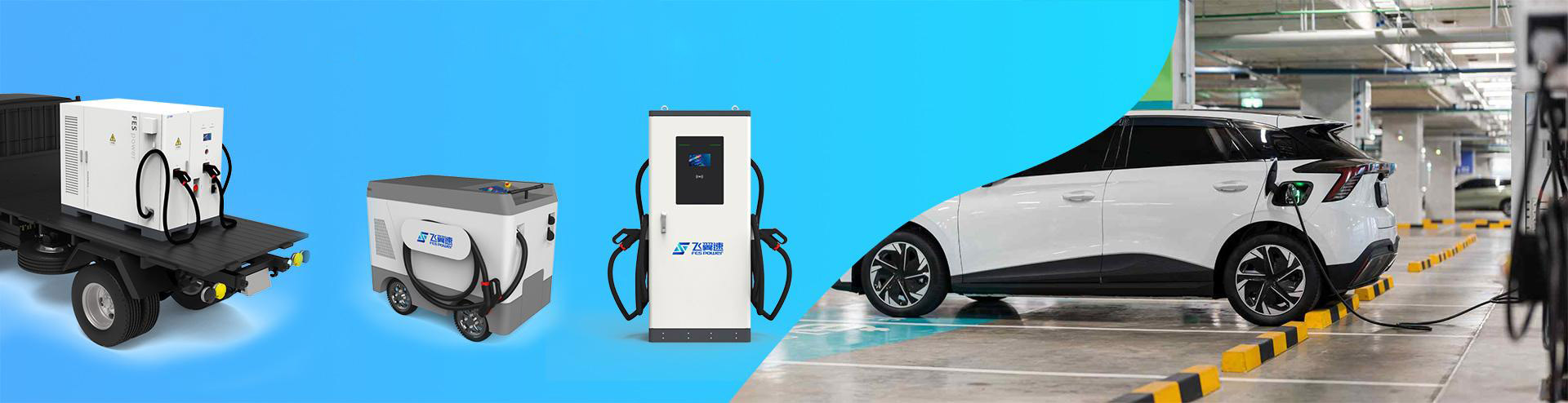
🚗As 2025 comes to a close, the EV charging industry has clearly moved beyond early-stage experimentation and into a phase of real-world validation. But amid rapid expansion, not every trend delivered the value it promised. So, which EV charging trends truly shaped the industry this year—and which ones quietly lost momentum? Let’s take a closer look.
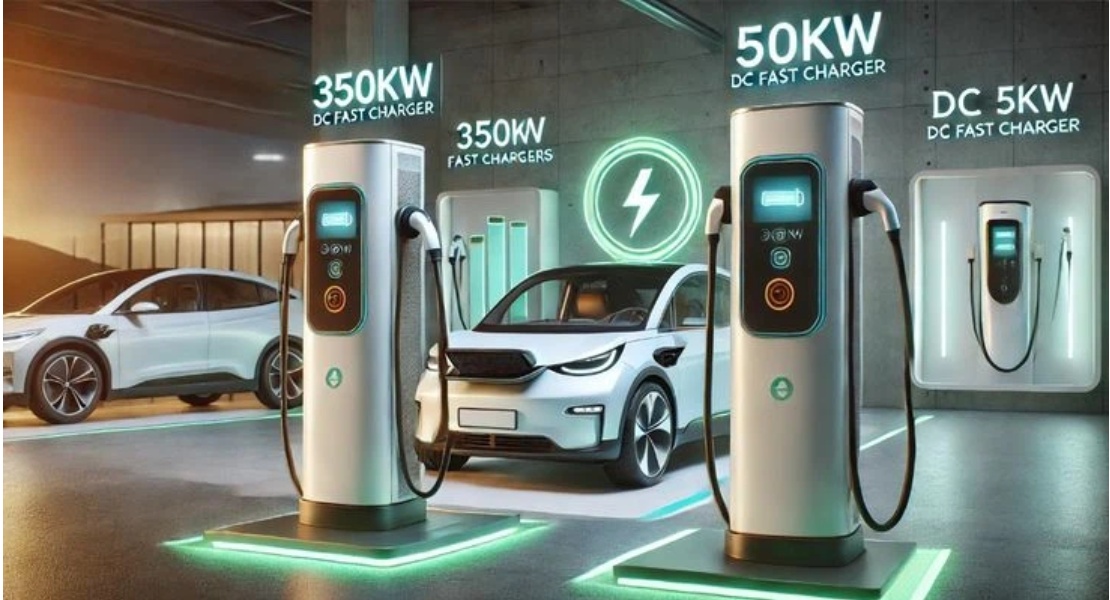
✅1. Did Reliability Finally Overtake Power as the Top Priority? 🔌
Was 2025 the year when uptime became more important than headline power figures?
🧩⚡Across multiple markets, operators began prioritizing stable performance, fault tolerance, and long-term reliability over simply installing higher-kilowatt chargers. Downtime proved far more costly than slower charging speeds, pushing stakeholders to rethink what “high performance” really means. ⚙️📉
🔋2. Did Modular Charging Architecture Become the New Industry Standard?
Why did modular and split-type charging systems gain so much traction in 2025?
🔄The answer lies in scalability and maintenance efficiency. Modular designs allowed operators to expand capacity incrementally, reduce single-point failures, and simplify servicing—all while improving overall station availability. For large-scale or high-traffic charging sites, this approach increasingly became the default choice.
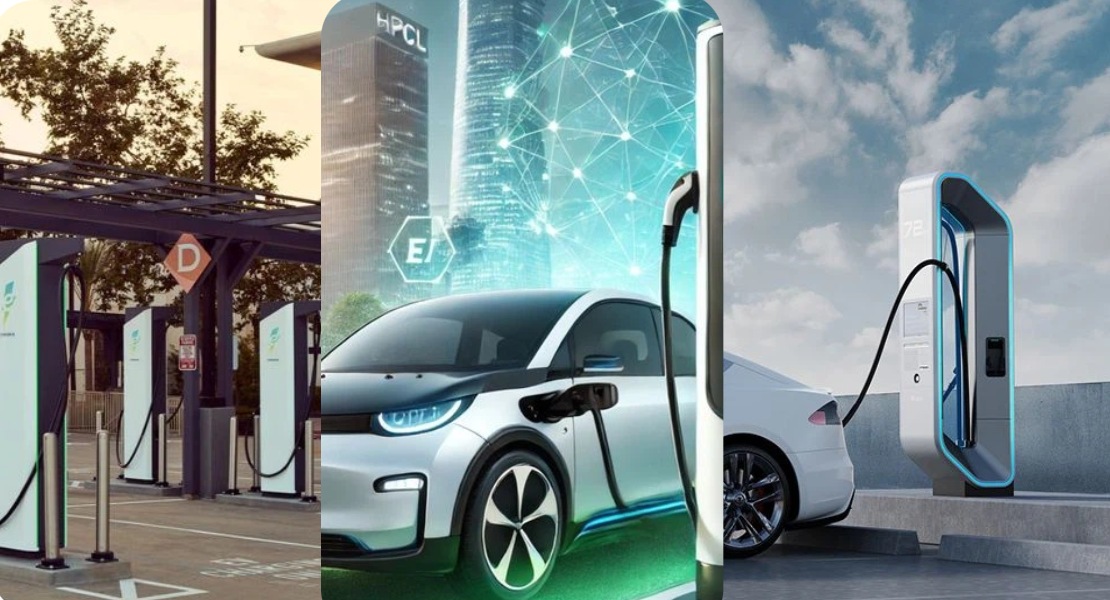
🌍3. Was Grid Compatibility the Real Bottleneck Revealed in 2025?
Did grid constraints emerge as the hidden challenge behind many EV charging projects?
⚡As deployment accelerated, grid integration—rather than charger hardware—often dictated project timelines. Smart load management, power balancing, and grid-friendly designs proved essential in avoiding costly upgrades and regulatory delays. This shift highlighted that charging infrastructure must work with the grid, not against it.
🔧4. Did O&M Costs Finally Enter the Decision-Making Spotlight?
Were operators forced to reconsider total cost of ownership in 2025?
Absolutely. Rising energy prices and labor costs pushed operations and maintenance (O&M) into boardroom discussions. Chargers that offered remote monitoring, predictive maintenance, and simplified servicing gained a clear competitive edge, as long-term operational efficiency became just as important as initial CAPEX. 📊🛠️
🚀5. Did High-Power Charging Find Its Right Use Cases?
Did the industry finally learn where ultra-high-power charging truly makes sense?
📍Rather than deploying high-power chargers everywhere, 2025 saw a more strategic approach. Logistics hubs, highways, and fleet depots emerged as ideal scenarios, while other locations benefited more from balanced power distribution. The focus shifted from “more power” to “right power, right place.”
So, Which Trends Didn’t Live Up to Expectations?
⚠️Did Chasing Extreme Power Levels Deliver Real ROI?
Despite the hype, blindly pursuing ultra-high power without considering utilization rates often resulted in underused assets and higher costs. In many cases, the return simply didn’t justify the investment.
❓Did Overly Complex Smart Features Add Real Value?
While digitalization remains important, some overly complex features failed to improve user experience or operational efficiency. Simplicity and reliability consistently outperformed unnecessary sophistication in real-world deployments.
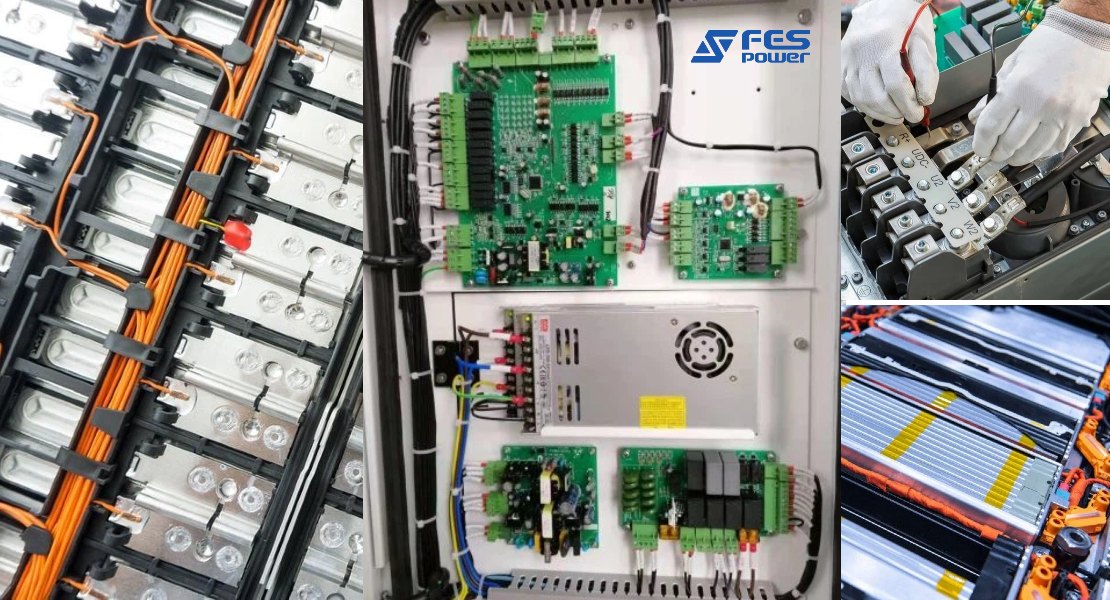
🎯What Did 2025 Ultimately Teach Us About EV Charging?
Was 2025 the year the EV charging industry became more pragmatic?
⚡The evidence suggests yes. Decisions were increasingly driven by real-world performance, scalability, and long-term value, rather than marketing claims. As the industry moves into 2026, these lessons will likely shape a more sustainable and resilient charging infrastructure landscape. 🌱



 IPv6 network supported