Customized Electric Vehicle Charger Enterprise
Home

DC Fast Charging Technology

DC Fast Charging Technology

  • How EV Charging Infrastructure Supports a Sustainable Future
    How EV Charging Infrastructure Supports a Sustainable Future
    Dec 25, 2025
    As the holiday season arrives 🎅, Christmas is not only a time for celebration 🎁 and reflection 🌟, but also a meaningful moment to think about the future we are building together. At FES Power, we believe that sustainability 🌍 and innovation 🚀 should move forward hand in hand. While families gather 👨‍👩‍👧‍👦, cities light up ✨, and travel demand increases 🚗, reliable and efficient energy infrastructure becomes more important than ever—especially in the rapidly evolving electric vehicle (EV) ecosystem 🔋. 🎅 A Season of Connection—and Energy Demand ⚡ Christmas traditionally marks one of the busiest travel periods of the year 🛣️❄️. With more electric vehicles on the road 🚙, the demand for stable, high-performance EV charging solutions continues to grow 📈. From urban charging hubs 🏙️ to highway fast-charging stations, the role of charging infrastructure is no longer optional—it is essential ✅. This seasonal surge reminds us that EV charging must be scalable 📐, reliable 🛡️, and future-ready 🔮 to support both peak demand and long-term growth. 🎄 Engineering for Reliability and Flexibility 🧩 At FES Power, we focus on delivering EV charging solutions that are engineered for real-world conditions 🌦️. Our AC and DC chargers are designed to support: ⚡ Flexible power configurations 🧩 Modular system architecture 🔋 High efficiency and long-term operational stability 🛠️ Customization for different markets and applications These capabilities ensure that charging infrastructure can adapt smoothly 🎯—whether during holiday peaks 🎄 or daily operations 📅. 🌟 Sustainability Beyond the Season 🌍 Christmas reminds us of responsibility, generosity ❤️, and long-term thinking 🕊️. In the energy sector ⚡, this means investing in solutions that reduce emissions 🌱, improve efficiency 📊, and support global electrification goals 🚗🔌. By enabling smarter EV charging systems, we are not only supporting today’s drivers—we are contributing to cleaner cities 🏙️🌿 and a more sustainable transportation ecosystem for the years ahead ⏳. 🎁 Looking Forward to the New Year 🎆 As we approach the new year, FES Power remains committed to innovation 🚀, quality, and partnership. We will continue working closely with operators, distributors, and project developers worldwide to deliver charging solutions that are reliable, scalable, and aligned with future energy needs. 🎄 This Christmas, we sincerely thank our partners and clients for their trust and collaboration. ✨ May the holiday season bring warmth, inspiration, and new opportunities for growth. 🎅🎄 Merry Christmas and a sustainable New Year from all of us at FES Power! ⚡🌍✨
    Read More
  • Reflections on EV Charging and What Lies Ahead
    Reflections on EV Charging and What Lies Ahead
    Dec 31, 2025
    As the year comes to a close, we would like to take this moment to extend our sincere New Year wishes to all our partners, clients, and industry peers. Thank you for the trust, conversations, and collaborations that have shaped the past year 🙏. Your engagement continues to motivate progress across the EV charging ecosystem 🚗⚡. The transition toward electrified transportation is no longer a future concept—it is a reality unfolding at different speeds across regions 🌍. Over the past year, the EV charging industry has seen both rapid deployment and growing complexity 📈. From grid constraints ⚡🔌 and site limitations 🏢 to rising expectations around reliability and scalability, charging infrastructure is being asked to do more than ever before. Looking ahead to the new year, several industry directions are becoming increasingly clear: 💫Charging infrastructure must be designed with long-term flexibility in mind 🔧. As vehicle power requirements increase and fleet electrification accelerates 🚛⚡, solutions that allow modular expansion and staged investment will be better positioned to support sustainable growth. 💫Operational reliability is becoming just as important as charging power 🛠️. Downtime, maintenance challenges, and inconsistent user experience are no longer acceptable for commercial operators and public charging networks. 💫Local adaptation will matter more than standardized deployment 🌐. Grid conditions, regulatory frameworks, and user behavior vary significantly by market, and charging solutions must respond accordingly. At FES Power, we believe the coming year will be defined not by how fast charging infrastructure is deployed, but by how intelligently it is planned 🧠💡. Our focus remains on developing practical, scalable EV charging solutions that support real-world operating conditions—whether for residential use 🏡, commercial sites 🏢, or high-power DC charging applications ⚡. By prioritizing system stability, modular design, and future readiness, we aim to support our partners as they navigate an increasingly complex charging landscape. As we step into the new year, we look forward to continued dialogue, shared learning, and new opportunities to contribute to the global transition toward cleaner mobility 🌱🚗⚡. We wish you a successful, innovative, and rewarding year ahead. Happy New Year from all of us at FES Power! 🎉⚡
    Read More
  • How Power Distribution Technology Is Changing EV Charging?
    How Power Distribution Technology Is Changing EV Charging?
    Mar 18, 2026
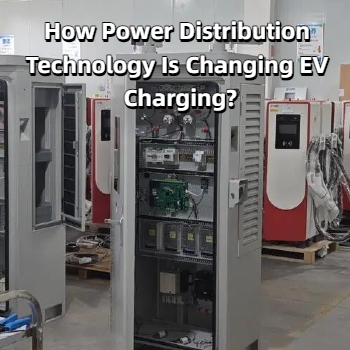
    ❓What Is Power Distribution in EV Charging?⚡Power distribution in EV charging refers to how electrical capacity is allocated among multiple charging points. Instead of assigning fixed power to each charger, modern systems dynamically distribute available power based on real-time demand. This approach is especially important as EV adoption accelerates, placing increasing pressure on grid infrastructure and charging efficiency. ❓How Does Power Distribution Technology Work?At its core, power distribution relies on intelligent control systems that monitor charging demand, vehicle status, and grid capacity. When multiple vehicles are charging simultaneously, the system automatically adjusts power output—delivering higher power to vehicles that need fast charging while reducing output to those nearing completion.This dynamic allocation ensures optimal energy utilization, minimizes idle capacity, and significantly improves overall station efficiency. 🔄 ❓How Is It Applied in EV Charging Stations?In traditional charging setups, each charger operates independently with fixed power limits. This often leads to underutilization or power bottlenecks. ⚠️With power distribution technology, charging stations can: 🚀 Support more vehicles without increasing grid capacity ⚡ Maximize utilization of available power 📉 Reduce infrastructure and operational costs 🔋 Improve user charging experience with faster turnaroundThis makes it particularly valuable for high-traffic locations such as highways, logistics hubs, and urban fast-charging stations. ❓Why Is Power Distribution Critical for Future Charging Networks?🔍As ultra-fast charging (480kW–1MW) becomes more common, the limitations of fixed-power systems become more evident. Grid constraints, uneven demand, and high installation costs make flexible systems a necessity rather than an option.🌍Power distribution technology enables scalable and future-ready infrastructure, allowing operators to expand capacity without massive grid upgrades.  ❓How Does FES Power’s 960kW Split-Type Charger Leverage This Technology?At FES Power, we integrate advanced power distribution into our 960kW split-type DC charging system. ⚡Our solution separates the power cabinet from charging terminals, enabling flexible power allocation across multiple dispensers.Key advantages include: 🔌 Dynamic power sharing based on real-time demand 🚗 Simultaneous charging for multiple vehicles 📈 Higher station utilization and improved ROI 🧩 Modular and scalable design for future expansionThis architecture allows operators to deploy ultra-fast charging while maintaining efficiency and cost control. ❓What Does This Mean for Charging Operators?For charging station investors and operators, adopting power distribution technology is no longer optional—it’s a strategic advantage. 💼It directly impacts profitability, scalability, and user satisfaction.As EV charging continues to evolve, those who invest in flexible, high-power systems will be better positioned to lead in a competitive market. 🚀
    Read More
  • Which Brand of EV Charger Is Best?
    Which Brand of EV Charger Is Best?
    Mar 23, 2026
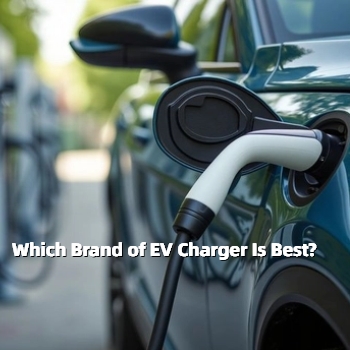
    As the global EV market accelerates, one question continues to surface among investors, operators, and fleet managers: Which EV charger brand is actually the best? 🚗⚡ The reality is more nuanced—there is no single “best” brand. Instead, different manufacturers excel in different scenarios, technologies, and business models. Understanding their strengths and limitations is far more valuable than chasing a one-size-fits-all answer. What Defines a “Good” EV Charger Brand? 🤔Before comparing brands, it’s important to clarify evaluation criteria. In today’s market, a strong EV charging solution is not just about power output.Key factors typically include:⚡ Charging performance (AC vs DC, power range) 🔧 Reliability and uptime 🌐 Software & network capabilities 💰 Total cost of ownership (TCO) 🔌 Compatibility with multiple vehicle standards 📊 Scalability for future expansionIn fact, industry analysis shows that reliability and network integration are becoming more critical than raw charging speed, especially for commercial deployments . How Do Mainstream EV Charger Brands Compare? 🌍Let’s look at several well-known global players and where they stand.ABB – Industrial Strength & High PowerABB is widely recognized as a leader in high-power DC fast charging.Advantages: ⚡ Strong engineering background in power systems ⚡ Wide product portfolio from AC to ultra-fast DC (up to 350kW) ⚡ Proven global deployment experienceLimitations: ⚠️ Higher upfront investment ⚠️ Less flexibility in some customized scenarios ⚠️ Hardware-focused, software ecosystem may require integration partners👉 Best suited for: highways, large-scale public charging, and fleet operations Tesla – Network & User ExperienceTesla stands out not just as a hardware provider, but as an ecosystem builder.Advantages: ⚡ One of the largest fast-charging networks globally ⚡ Seamless user experience (plug-and-charge) ⚡ High reliability and strong brand trustLimitations: ⚠️ Historically closed ecosystem (though opening gradually) ⚠️ Less flexibility for third-party operators ⚠️ Hardware not always optimized for mixed-brand environments👉 Best suited for: integrated ecosystems and Tesla-heavy markets ChargePoint – Software & Network PlatformChargePoint is known for its strong software and network management capabilities.Advantages: 📊 Advanced cloud-based platform for monitoring and billing 📱 Strong app integration and user interface 🔧 Flexible deployment modelsLimitations: ⚠️ Hardware performance varies depending on configuration ⚠️ Heavily reliant on network stability ⚠️ Not always focused on ultra-high-power charging👉 Best suited for: commercial sites, workplaces, and retail charging Siemens – Grid Integration ExpertiseSiemens leverages its deep background in energy infrastructure.Advantages: ⚡ Strong grid integration and energy management capabilities ⚡ Ideal for infrastructure-heavy projects ⚡ Focus on industrial and fleet electrificationLimitations: ⚠️ Less emphasis on flexible, modular charging ⚠️ Typically higher system complexity ⚠️ Slower product iteration compared to newer players👉 Best suited for: utility-scale and infrastructure-driven projects Wallbox & Emerging Brands – Flexibility & DesignNewer companies like Wallbox are gaining traction with smart, compact solutions.Advantages: 📱 Smart features and user-friendly design 💡 Competitive pricing 🏠 Strong presence in residential and small commercial marketsLimitations: ⚠️ Limited experience in large-scale deployments ⚠️ Lower power range compared to industrial leaders 👉 Best suited for: home charging and SME deployments So… Which Brand Is Actually “Best”? 🧠 The short answer: it depends on your application.Highway fast charging → High-power specialists (e.g., ABB)Closed ecosystem → TeslaCommercial & retail → ChargePointGrid-integrated infrastructure → SiemensResidential & small business → WallboxRather than focusing on brands alone, the smarter approach is to evaluate system architecture and scalability. A Different Approach: Flexible Charging Architecture ⚡At FES Power, we believe the future of EV charging is not defined by a single brand—but by how power is distributed and utilized.Our solution is built around split-type DC charging systems, combining:🔋 Centralized power cabinets (up to 720kW / 960kW) 🔌 Multiple charging terminals ⚡ Dynamic power allocation across vehicles Why Does This Matter?Compared to traditional one-charger-per-gun systems:✔ Higher utilization rate ✔ Lower CAPEX per charging point ✔ Scalable expansion without major grid upgrades ✔ Better ROI for operatorsThis architecture is particularly effective in:🚚 Fleet depots 🏢 Commercial charging hubs 🛣 Highway service areas Final Thoughts 🌱The EV charging industry is evolving rapidly, and no single brand can dominate every scenario.Instead of asking “Which brand is best?”, a more strategic question is: 👉 “Which solution best fits my business model and future growth?” Because in the end, success in EV charging is not just about hardware— it’s about efficiency, flexibility, and long-term scalability.
    Read More

leave a message

leave a message
If you are interested in our products and want to know more details,please leave a message here,we will reply you as soon as we can.
submit
Contact Us: bella@fespower.cn

home

products

WhatsApp

Contact Us