Dec 05, 2025
🔌As global EV adoption accelerates, charging infrastructure is entering a critical transition. The focus is shifting from volume expansion to reliability, software intelligence, and user-centric service. The latest industry data makes one thing clear: having chargers is no longer enough—having dependable, smart, and seamless charging matters more.
🤔Why Is Reliability Becoming the Core Metric of Charging Networks?
Public charger availability continues to grow, yet reliability remains a major challenge.
🔸According to J.D. Power’s 2025 Public Charging Experience Study, over 20% of DC fast-charging attempts fail, often due to charger malfunctions, communication issues, or payment errors.
🔸Even though infrastructure deployment is accelerating across major markets, reliability scores have stagnated, creating growing frustration among EV drivers.
With more automakers unifying around standards like NACS in North America, network consistency, uptime, and cross-compatibility are becoming essential for EV adoption.
❔How Is High-Power Fast Charging Transforming the EV User Journey?
Fast charging is now central to the EV ecosystem.
🔸Deployment of 150kW+ fast-charging stations has increased by more than 70% in the past two years.
🔸350kW ultra-fast chargers can deliver 80% range in just 15–20 minutes for supported vehicles.
🔸User satisfaction at 200kW+ locations is over 35% higher than at low-power AC stations.
This shift indicates a clear industry direction: higher power, multi-connector architecture, smarter load distribution, and grid-friendly charging solutions.
⁉️Why Are Software, Connectivity, and Smart-Charging Becoming Central to Infrastructure?
Charging stations are rapidly evolving from hardware-only devices into software-defined energy terminals.
Key impacts include:
🔸Real-time monitoring increases charger uptime by 15–25%.
🔸Dynamic load management reduces grid strain by 20% or more during peak sessions.
🔸Remote diagnostics and live station visibility cut downtime by over 40%.
The competitive advantage is shifting—from who deploys more chargers to who delivers a seamless, intelligent, predictable charging experience.
🗺️Are Retail Centers, Hotels, and Highways Becoming Strategic Charging Hotspots?
Absolutely—and growth is accelerating.
🔸Over 45% of new DC fast-charging sites are built at commercial properties, including malls, hotels, and restaurants.
🔸Highway corridor DCFC deployment, especially under NEVI-based programs, is one of the fastest-growing segments.
🔸Commercial properties with charging stations see 7–12% higher parking revenue and significantly longer customer dwell times.
Charging is no longer just an energy refill—it is becoming a traffic generator and commercial value driver.
⚡🚀Where Does FES Power Contribute to the Next Generation of EV Charging?
As the industry transitions from “more chargers” to “better charging,” FES Power directly aligns with the next-generation infrastructure needs.
🌟 Why FES Power Stands Out
High-Reliability Architecture: > 98% uptime, ensuring maximum operational availability
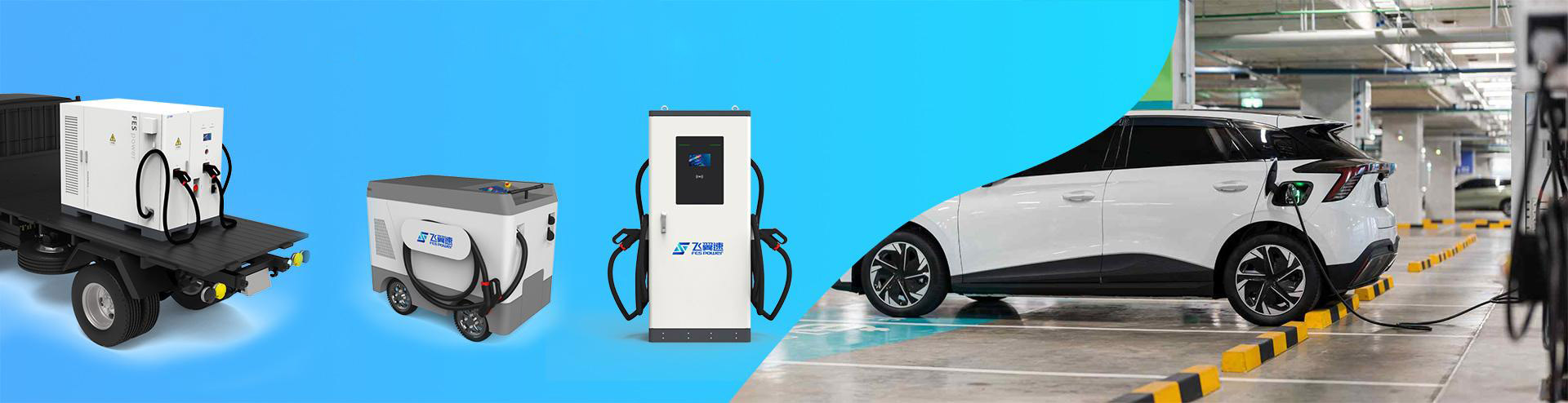
Full Power Range Portfolio:
🔸7–22kW AC wallbox chargers
🔸30–120kW mid-power DC chargers
🔸180–720kW ultra-fast DC systems with dynamic power allocation
Advanced Smart-Charging Platform
🔸Real-time monitoring
🔸Intelligent scheduling
🔸Remote diagnostics & automated O&M alerts
Versatile Deployment Scenarios
🔸Highways, malls, fleets, fuel stations, hotels, residential communities
Global Standard Compatibility
🔸CCS1/2, GB/T, CHAdeMO, and optional NACS
Optimized ROI for Operators
Lower downtime + high efficiency = faster payback
🚀 FES Power focuses not on selling “more chargers,” but on enabling operators to build reliable, smarter, and more profitable charging networks.
How Will User Experience Redefine the Future of EV Charging?
EV users increasingly expect charging to function like a modern service—not a utility.
Key expectations include:
🔸Charging near retail, food, or rest areas
🔸Real-time station information and reliable uptime
🔸Minimal steps through Plug-and-Charge and automated authentication
🔸Fast, predictable, and safe charging sessions
As a result, charging is evolving into an integrated service ecosystem, not a standalone interaction.
What Comes Next for the EV Charging Ecosystem?
The next five years will redefine the global charging landscape:
🔹 Quantity → Reliability
🔹 Hardware → Software + Services
🔹 Slow Charging → Fast-Charging First
🔹 Isolated Installations → Network-Based Operations
🔹 Basic Chargers → Energy-Managed Smart Nodes (EMS / V2G)
EV charging is shifting from a simple device into a connected, intelligent, experience-driven energy network.
Read More






 IPv6 network supported