Customized Electric Vehicle Charger Enterprise
Home

EV Charging Station ROI

EV Charging Station ROI

  • What No One Tells You Before You Invest in EV Charging Stations
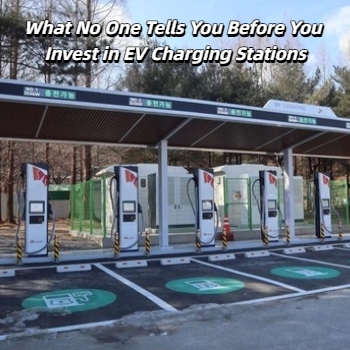
    What No One Tells You Before You Invest in EV Charging Stations
    Feb 09, 2026
    The EV charging industry looks like a golden opportunity. Governments promote electrification, EV sales keep rising, and charging demand seems guaranteed.But behind the optimistic headlines, many first-time investors discover a very different reality. Here’s what most people don’t tell you before you invest in EV charging stations — explained clearly, without hype.🚧 1. High Power Doesn’t Automatically Mean High ProfitMany new investors assume:“If I install a 120 kW or 240 kW fast charger, I’ll earn more.”In reality, power utilization matters more than peak power.Fast chargers often run at low utilization ratesVehicles rarely charge at full power for longIdle power capacity still costs money (grid fees, demand charges)📌 Result: High-capex chargers with long ROI periods.👉 What works better? Smart power distribution — allocating available power dynamically based on real demand, not theoretical maximums.💰 2. Grid Connection Is Often the Real Cost DriverFew investors realize that grid upgrades can cost as much as the charger itself.Hidden costs includeTransformer upgradesUtility approval delaysDemand charges during peak hoursLimited grid capacity at commercial sites⚠️ In many regions, grid constraints, not hardware, limit expansion.👉 This is why modular and centralized power architectures matter. With a shared power cabinet, operators can scale charging points without repeating grid investments.🧩 3. Traditional “All-in-One” Chargers Are InflexibleAll-in-one DC chargers look simple — until your business grows.Problems appear when:Demand varies across time and locationsOne charger fails and capacity is lostPower cannot be redistributed efficientlyEach charger acts as a standalone island, leading to:Low overall utilizationDifficult maintenancePoor scalability🔄 4. Scalability Is More Important Than SpeedThe most profitable charging operators think long-term:How easily can I add more charging points?Can I upgrade power without replacing hardware?Can one system serve cars, fleets, buses, or trucks?This is where split-type and flexible charging systems outperform traditional designs. 🔌 How FES Power Approaches EV Charging DifferentlyAt FES Power, we design EV charging systems around real-world operation, not just headline power numbers.⚙️ Our Key Solution: Split-Type Flexible Charging SystemInstead of installing multiple independent fast chargers, our system uses:🧠 Centralized Power Cabinets (up to 720 kW)🔗 Multiple Front-End Charging Terminals⚡ Dynamic Power Allocation based on vehicle demand✅ What This Means for InvestorsLower initial grid capacity requirementHigher overall power utilizationEasier site expansionReduced downtime riskBetter long-term ROI📊 One power cabinet can serve multiple charging points — power goes where it’s needed, when it’s needed.📈 5. EV Charging Is an Infrastructure Business, Not a Gadget BusinessThis is perhaps the biggest misconception.Successful EV charging projects focus on:System architectureEnergy managementLifecycle costOperational flexibilityNot just charger appearance or peak kW numbers.🚀 Final Thought: Smart Design Beats Blind ExpansionEV charging is still a strong long-term opportunity — but only for those who design intelligently from day one.Before investing, ask:Can my system adapt as demand changes?Am I paying for unused power?Will this design still make sense in 5 years? At FES Power, we help operators and investors build charging infrastructure that grows sustainably — not expensively.If you’re evaluating your first (or next) EV charging project, system design matters more than you think.
    Read More
  • How Power Distribution Technology Is Changing EV Charging?
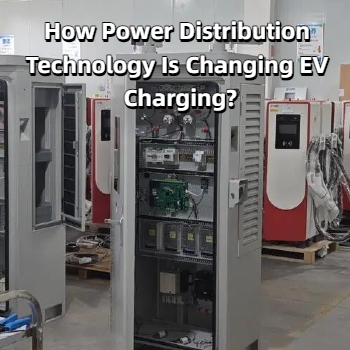
    How Power Distribution Technology Is Changing EV Charging?
    Mar 18, 2026
    ❓What Is Power Distribution in EV Charging?⚡Power distribution in EV charging refers to how electrical capacity is allocated among multiple charging points. Instead of assigning fixed power to each charger, modern systems dynamically distribute available power based on real-time demand. This approach is especially important as EV adoption accelerates, placing increasing pressure on grid infrastructure and charging efficiency. ❓How Does Power Distribution Technology Work?At its core, power distribution relies on intelligent control systems that monitor charging demand, vehicle status, and grid capacity. When multiple vehicles are charging simultaneously, the system automatically adjusts power output—delivering higher power to vehicles that need fast charging while reducing output to those nearing completion.This dynamic allocation ensures optimal energy utilization, minimizes idle capacity, and significantly improves overall station efficiency. 🔄 ❓How Is It Applied in EV Charging Stations?In traditional charging setups, each charger operates independently with fixed power limits. This often leads to underutilization or power bottlenecks. ⚠️With power distribution technology, charging stations can: 🚀 Support more vehicles without increasing grid capacity ⚡ Maximize utilization of available power 📉 Reduce infrastructure and operational costs 🔋 Improve user charging experience with faster turnaroundThis makes it particularly valuable for high-traffic locations such as highways, logistics hubs, and urban fast-charging stations. ❓Why Is Power Distribution Critical for Future Charging Networks?🔍As ultra-fast charging (480kW–1MW) becomes more common, the limitations of fixed-power systems become more evident. Grid constraints, uneven demand, and high installation costs make flexible systems a necessity rather than an option.🌍Power distribution technology enables scalable and future-ready infrastructure, allowing operators to expand capacity without massive grid upgrades.  ❓How Does FES Power’s 960kW Split-Type Charger Leverage This Technology?At FES Power, we integrate advanced power distribution into our 960kW split-type DC charging system. ⚡Our solution separates the power cabinet from charging terminals, enabling flexible power allocation across multiple dispensers.Key advantages include: 🔌 Dynamic power sharing based on real-time demand 🚗 Simultaneous charging for multiple vehicles 📈 Higher station utilization and improved ROI 🧩 Modular and scalable design for future expansionThis architecture allows operators to deploy ultra-fast charging while maintaining efficiency and cost control. ❓What Does This Mean for Charging Operators?For charging station investors and operators, adopting power distribution technology is no longer optional—it’s a strategic advantage. 💼It directly impacts profitability, scalability, and user satisfaction.As EV charging continues to evolve, those who invest in flexible, high-power systems will be better positioned to lead in a competitive market. 🚀
    Read More
  • How to Choose Between 120kW, 180kW, and 240kW EV Chargers?
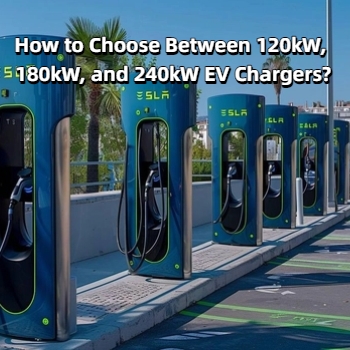
    How to Choose Between 120kW, 180kW, and 240kW EV Chargers?
    Apr 01, 2026
    ❓Why does charger power matter more than you think? Charger power directly impacts charging speed, station turnover, and overall ROI. 📊 Industry data shows a 120kW charger can add around 100–120 km of range in 10 minutes, while 240kW systems can nearly double that under ideal conditions. 🔍 But higher power doesn’t automatically mean better returns—grid capacity, vehicle limits, and usage patterns all influence real-world performance. ❓What real difference does 120kW vs 180kW vs 240kW make?🏙️ A 120kW charger is well-suited for urban environments where dwell time is longer, such as retail or office parking. ⚖️ A 180kW charger offers a balanced approach, improving efficiency without significantly increasing infrastructure costs. 🚗 A 240kW charger is ideal for highways or high-traffic hubs where minimizing waiting time is critical.📈 Increasing power from 120kW to 240kW can boost throughput by 30–60%, but only when supported by sufficient demand and grid supply. ❓Is faster charging always better for profitability?💡 Not necessarily—utilization rate often matters more than peak charging speed. 📉 A 240kW charger with low usage may generate less revenue than a fully utilized 120kW unit. 💰 Grid upgrades required for higher power can increase CAPEX by 20–40%, affecting payback periods. 🔄 This is why more operators are shifting toward flexible and scalable charging strategies rather than simply pursuing higher power. ❓How does vehicle compatibility affect your choice?🚙 Most EVs today charge within the 80kW–150kW range, meaning they cannot fully utilize 240kW capacity. ⚠️ Only newer premium models consistently support ultra-fast charging above 200kW. 📊 Deploying high-power chargers in markets without sufficient compatible vehicles can lead to underutilization.🎯 Aligning charger power with your local EV mix is essential for maximizing efficiency. ❓What role does power distribution play in modern charging?🔌 Traditional chargers deliver fixed power, often leading to inefficiencies when demand fluctuates.🧠 Smart systems now use dynamic power allocation, distributing energy based on real-time needs.📉 This approach reduces grid pressure while improving overall station utilization. 🏢 At FES Power, our split-type DC charging systems (120kW–960kW) are built around this concept—allowing flexible power sharing across multiple terminals to match real usage scenarios. ❓Which charger should you actually choose?✅ Choose 120kW for cost-efficient deployments with stable, moderate demand. ⚖️ Choose 180kW if you want a balance between performance and investment. 🚀 Choose 240kW for high-demand locations where speed and turnover are critical.🔄 Or consider a more flexible approach—deploy systems that can scale as demand grows rather than locking into a fixed configuration. ❓What’s the smarter long-term strategy?📊 The industry is shifting from “higher power” to “higher efficiency.” 🔧 Scalability and flexibility are becoming key factors in long-term profitability. 🌱 Investing in adaptable infrastructure today helps avoid costly upgrades in the future. 🏗️ With modular solutions like FES Power’s platform, operators can start with 120kW–180kW and scale up to 240kW+ as demand increases—without rebuilding the entire system 🚀 Final Thought🎯 Choosing between 120kW, 180kW, and 240kW is not just about speed—it’s about strategy. 📈 The optimal solution is the one that aligns with your site conditions, user behavior, and future growth potential.
    Read More

leave a message

leave a message
If you are interested in our products and want to know more details,please leave a message here,we will reply you as soon as we can.
submit
Contact Us: bella@fespower.cn

home

products

WhatsApp

Contact Us