- Call Us : +86-15060765919
- Mail Us : bella@fespower.cn
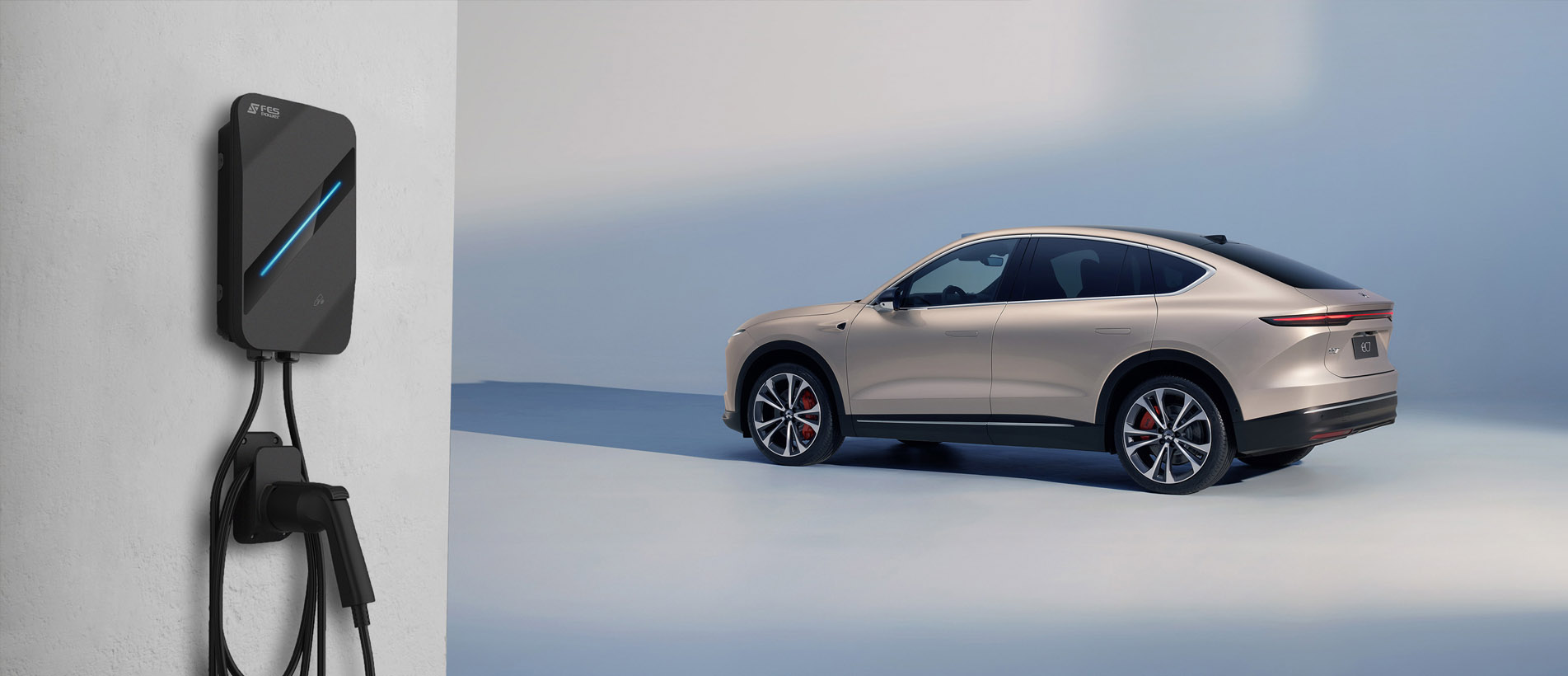
As global EV adoption accelerates, charging reliability has become a core concern for both drivers and charging operators. While modern charging technology continues to improve, many EV users still encounter occasional charging failures. In this article, we explore the most common causes behind unsuccessful charging attempts—and provide practical solutions to optimize reliability. We also highlight how FES Power offers dependable charging solutions for both residential and commercial environments.
Learn more at: https://www.fescharging.com/
Communication Errors: Why Do EV and Charger “Fail to Talk”? How Can This Be Fixed?
One of the leading causes of charging failure is unsuccessful communication between the EV and the charging station. This “handshake” can fail due to unstable CP signals, damaged connectors, or incompatible software versions.
Solution:
Drivers can reinsert the connector firmly, restart the charging session, or try another charging point. Operators should ensure regular inspection of communication modules and connector integrity.
FES Power Optimization:
Our chargers—including the EC01 7kW Wallbox—use high-precision CP control and automotive-grade communication chips to significantly reduce handshake errors.
Improper Plug-In: Why Does the Charger Not React? What Improves This?
A large percentage of charging failures come from incomplete insertion of the charging gun, resulting in poor contact. Dust, debris, or worn-out connectors can all contribute to this issue.
Solution:
Drivers should ensure a firm “click” when plugging in, keep connectors clean, and switch to another gun if needed. Operators should regularly maintain charging ports and replace aged hardware.
FES Power Optimization:
FES Power chargers include enhanced insertion detection and reinforced connector designs, greatly improving reliability even in high-usage scenarios.
Hardware Issues: Why Do Public Chargers Break Down? What Can Prevent This?
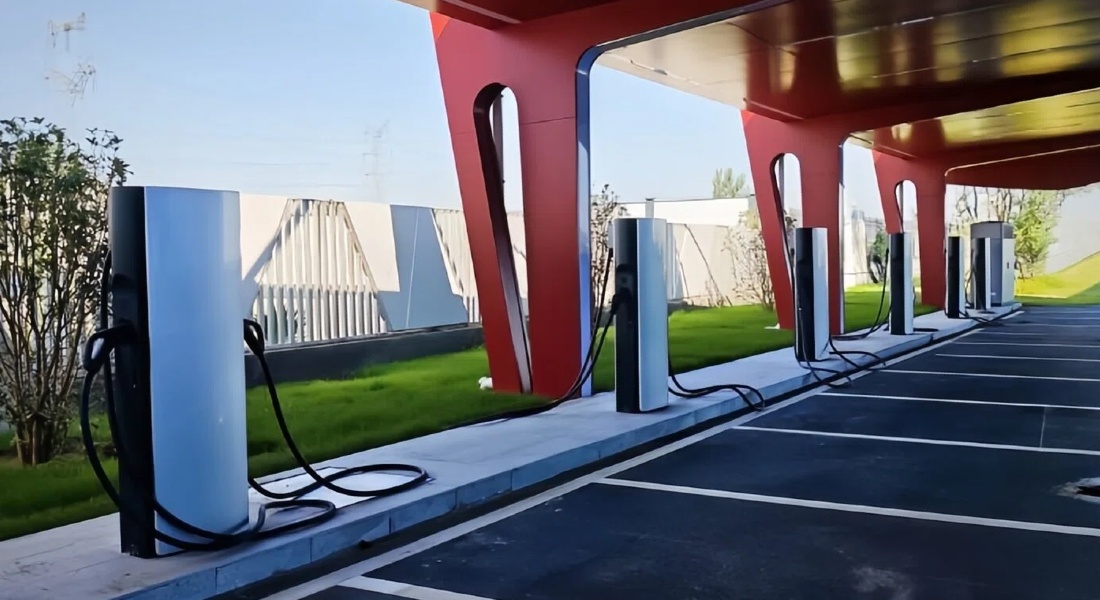
Public charging stations run for long hours in outdoor environments, exposing them to heat, humidity, and power fluctuations. This may lead to overheating modules, relay failure, or leakage protection triggers.
Solution:
Station operators should conduct scheduled maintenance, monitor internal temperatures, and deploy chargers with modular architecture for easier servicing.
FES Power Optimization:
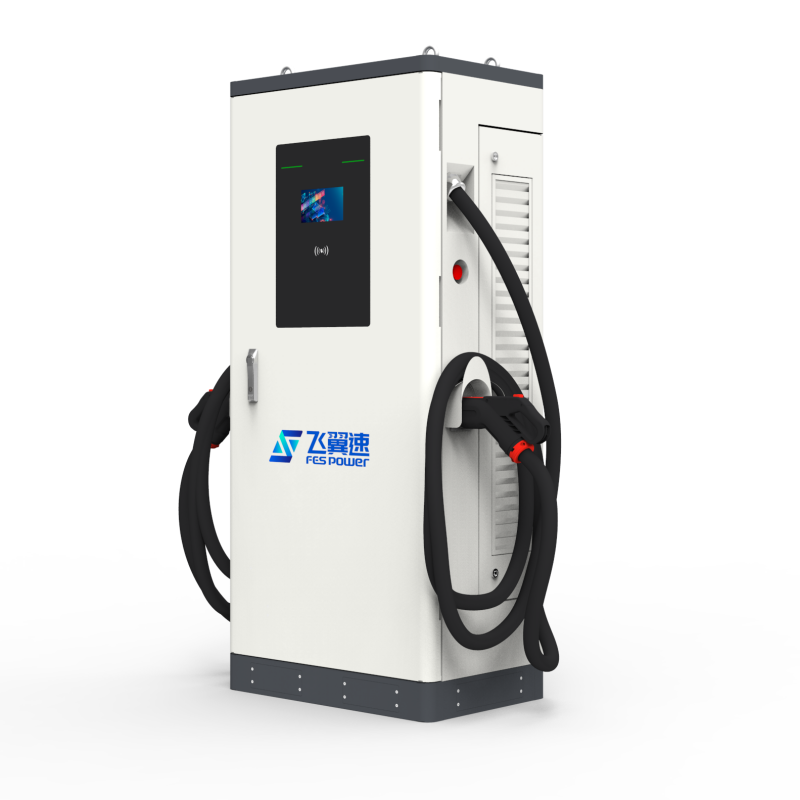
Our DC fast chargers use industrial-grade components and active thermal management, ensuring stability for commercial operations.
Network Problems: Why Does Poor Connectivity Stop Charging? How to Stabilize It?
Charging authorization depends heavily on network connectivity. If a charger cannot verify payment or communicate with the backend, the session may fail.
Solution:
Drivers can retry with RFID, switch to another charger, or move to an area with better signal. Operators should use devices with dual or triple networking options.
FES Power Optimization:
FES Power chargers feature Ethernet, 4G, and WiFi multi-mode connectivity, plus offline transaction buffering—ensuring smooth operation even in signal-challenged areas.
Battery Temperature Limits: Why Does Weather Affect Charging? What Helps the Situation?
Extreme temperatures influence the EV’s battery chemistry. When the battery is too cold or too hot, the vehicle may block charging or drastically reduce charging speed.
Solution:
Drivers can warm up or cool down the battery by driving a short distance or preconditioning the vehicle. Operators should ensure chargers are installed in shaded, ventilated, or temperature-moderated areas when possible.
FES Power Optimization:
Our chargers deliver stable power output across a wide temperature range, ensuring consistent performance in diverse climates.
Compatibility Problems: Why Do Charging Standards Cause Conflicts? How to Avoid Them?
Different regions and vehicles support different connector standards such as CCS1, CCS2, GB/T, CHAdeMO, and NACS. Using the wrong connector or incompatible adapter can lead to immediate charging failure.
Solution:
Users should confirm connector type before plugging in. Operators building stations in mixed markets should deploy chargers supporting multiple standards.
FES Power Optimization:
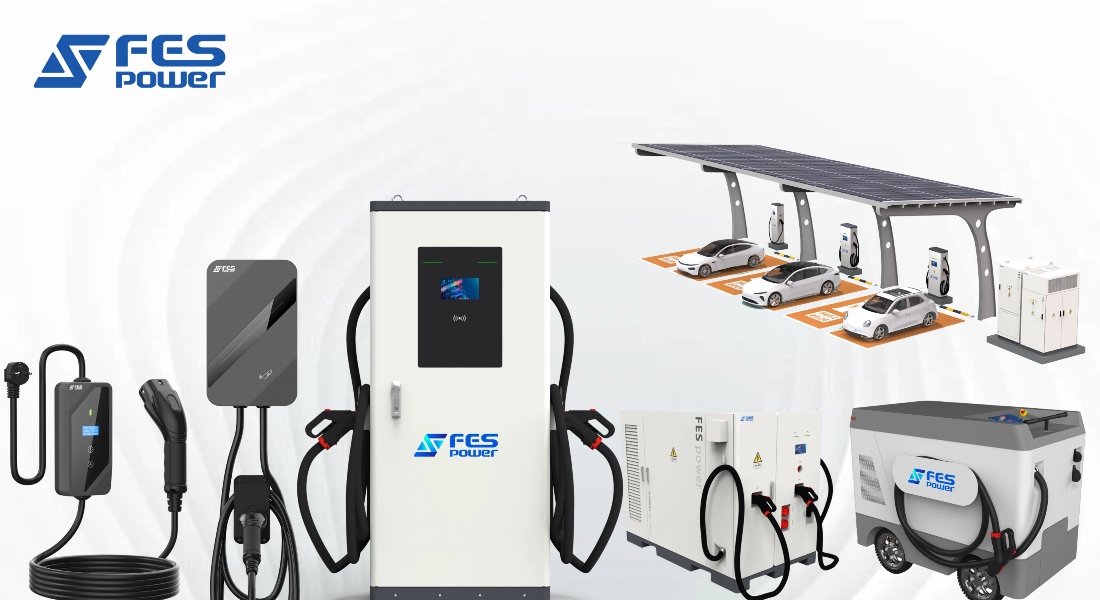
FES Power DC chargers support customizable multi-standard configurations, making them suitable for global deployment.
✨ Improving Reliability: What Can Drivers and Operators Do Together?
To reduce charging failure:
Drivers should ensure proper connector insertion and maintain battery temperature.
Operators should prioritize high-reliability equipment and perform routine inspections.
Both should ensure clean connectors and stable networks.
FES Power Commitment:
We provide stable, user-friendly AC and DC charging solutions—from home wallboxes to commercial fast chargers—designed to minimize failures and enhance charging experiences worldwide.



 IPv6 network supported