- Call Us : +86-15060765919
- Mail Us : bella@fespower.cn
As global logistics and public transport operators push to reduce emissions, heavy-duty electric trucks and e-buses are emerging as the fastest-growing segment of the EV industry. But with large battery capacities and demanding operational schedules, fleet electrification is now forcing operators to rethink one core question: How to charge economically—without disrupting daily operations?
Recent analysis from the International Energy Agency shows that heavy-duty EVs could account for over 40% of total new charging demand by 2030, making economic charging strategies a critical success factor for fleet adoption.

Why Cost-Optimized Charging Is Now a Priority
Heavy-duty commercial vehicles typically carry 5–10× larger batteries compared with passenger EVs. A single electric bus may require 350–500 kWh, while electric trucks can exceed 600–1,200 kWh.
This creates three major cost challenges for fleet operators:
1. Peak-load penalties from simultaneous fast charging
A depot charging 30–50 vehicles at 300 kW can easily reach 10–15 MW of instantaneous load—driving significant demand charges and grid connection fees.
2. High infrastructure CAPEX
Transformers, switchgear upgrades, fast-charging equipment, and cabling can represent millions in upfront investment, especially for fleets transitioning in stages.
3. Operational inefficiencies and downtime
Uncoordinated charging can cause energy waste, higher electricity bills, and vehicles returning to service with insufficient charge.
These challenges are moving fleets worldwide toward a “smart, distributed, and flexible” charging model.
The Economic Charging Model Gaining Global Momentum
Across logistics hubs, bus depots, and industrial fleet operators, a common three-part strategy is emerging:
🔹 1. Off-peak smart charging to reduce electricity tariffs
Algorithms schedule charging around operational routes and utility rates, cutting energy costs by 15–30%.
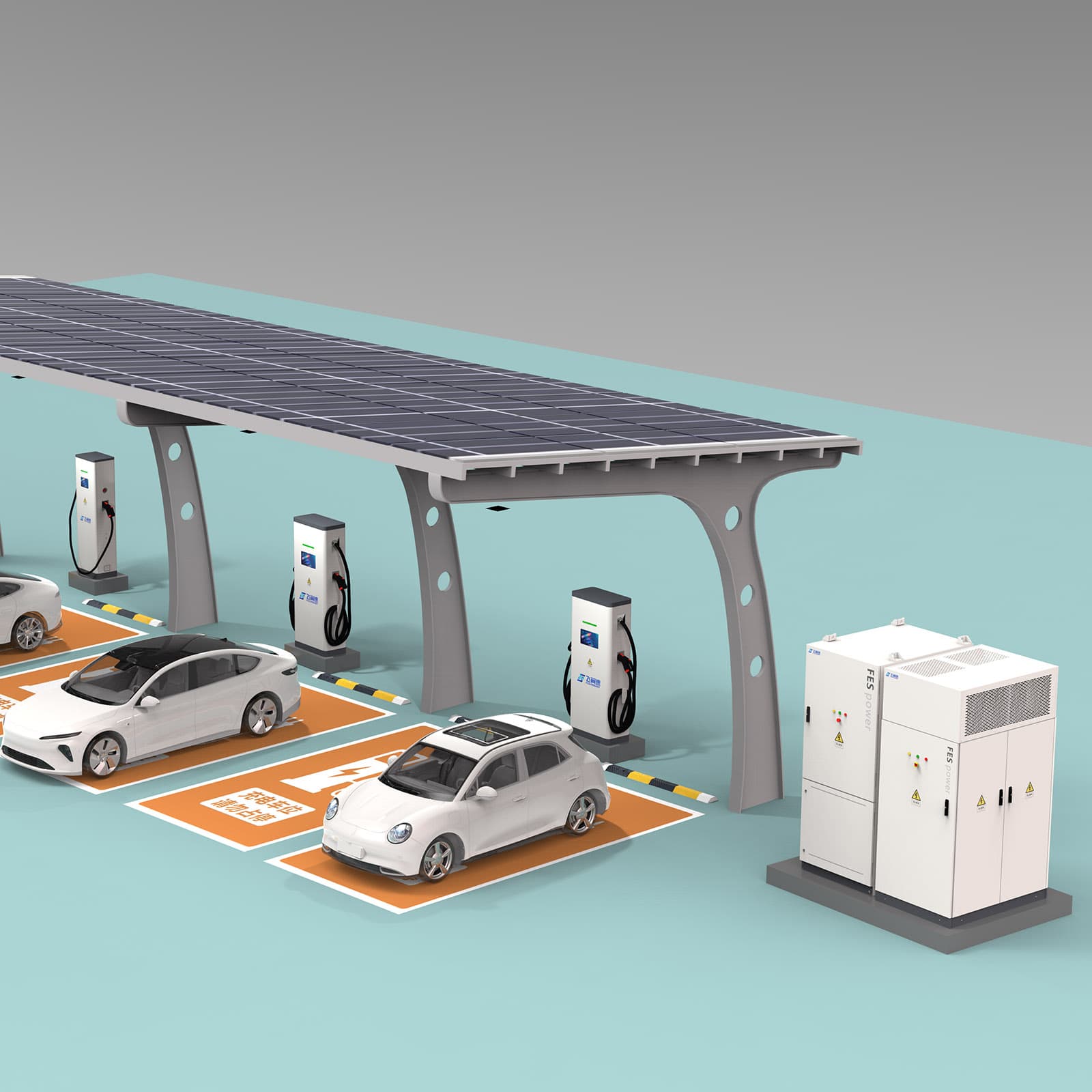
🔹 2. On-site energy storage (BESS) to lower demand charges
By absorbing grid peaks and discharging during high-load events, BESS minimizes expensive peak-power costs and stabilizes depot operations.
🔹 3. Modular high-power charging to match fleet expansion
Instead of building a full-scale depot upfront, operators deploy scalable 30–780 kW chargers and expand capacity as the fleet grows.
This staged, data-driven model allows operators to electrify cost-effectively while maintaining reliability.
FES Power: High-Power & Fleet-Focused Charging Solutions
To support the shift toward economic fleet charging, FES Power offers a portfolio of high-performance, fleet-ready charging products:
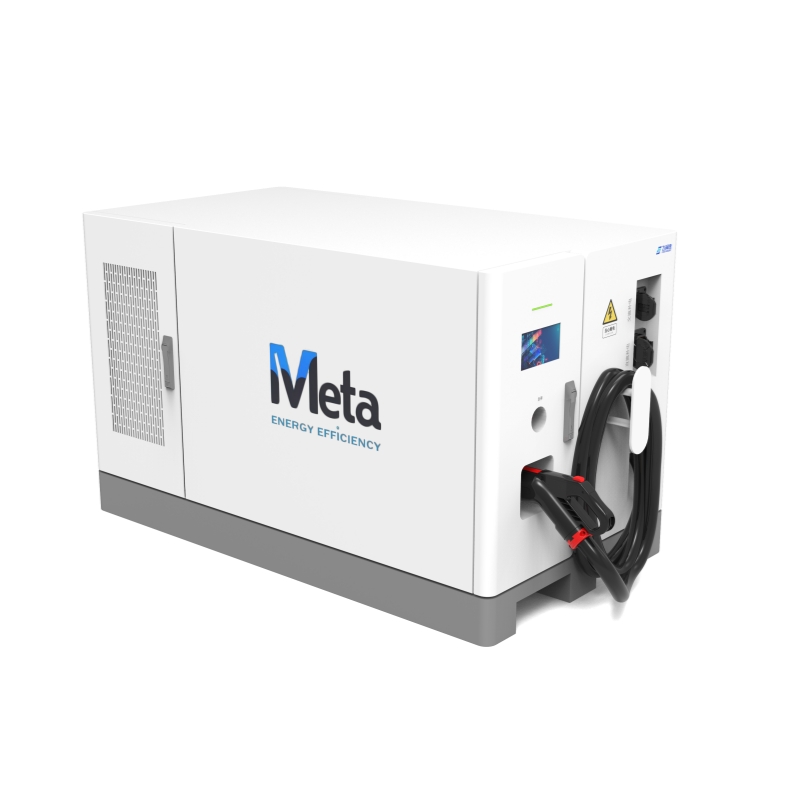
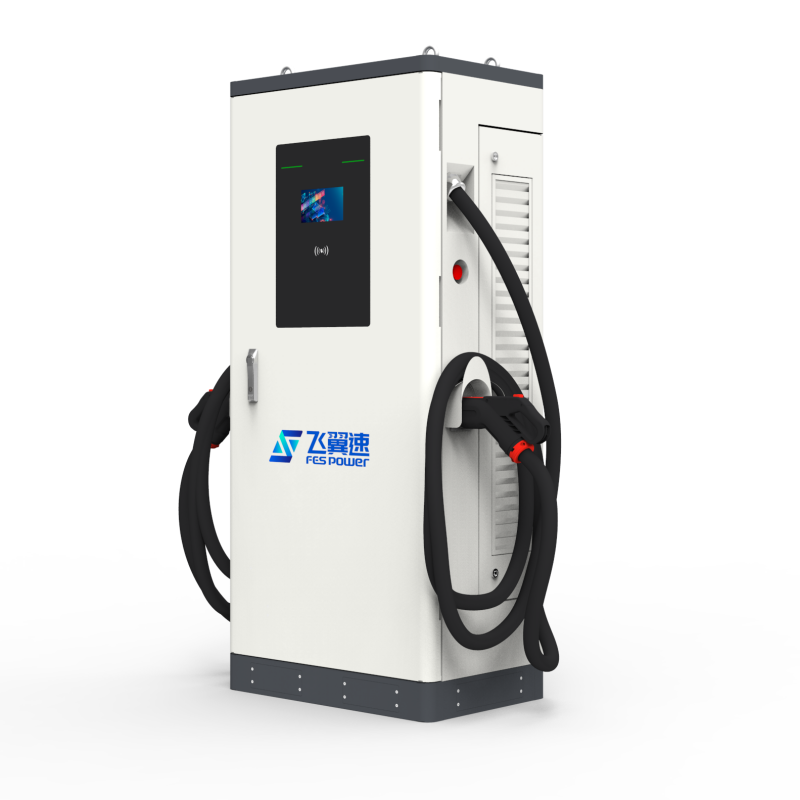
⚡ 30–780 kW Modular DC Chargers
Designed for logistics centers, bus depots, and highway corridors
Supports CCS2 / GB/T with intelligent power allocation
Modular architecture reduces initial investment and enables later expansion
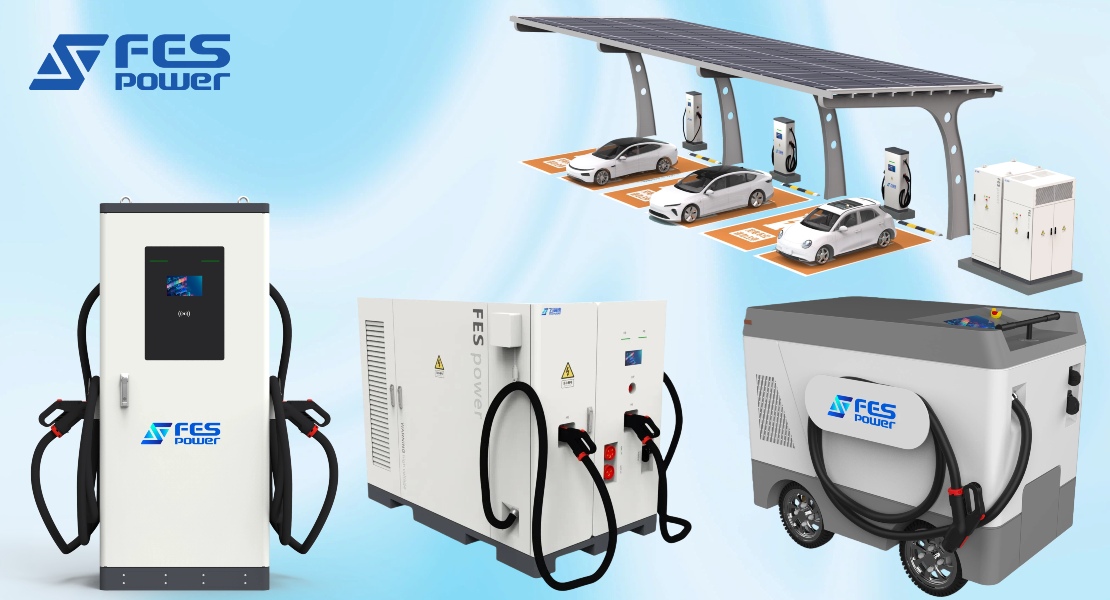
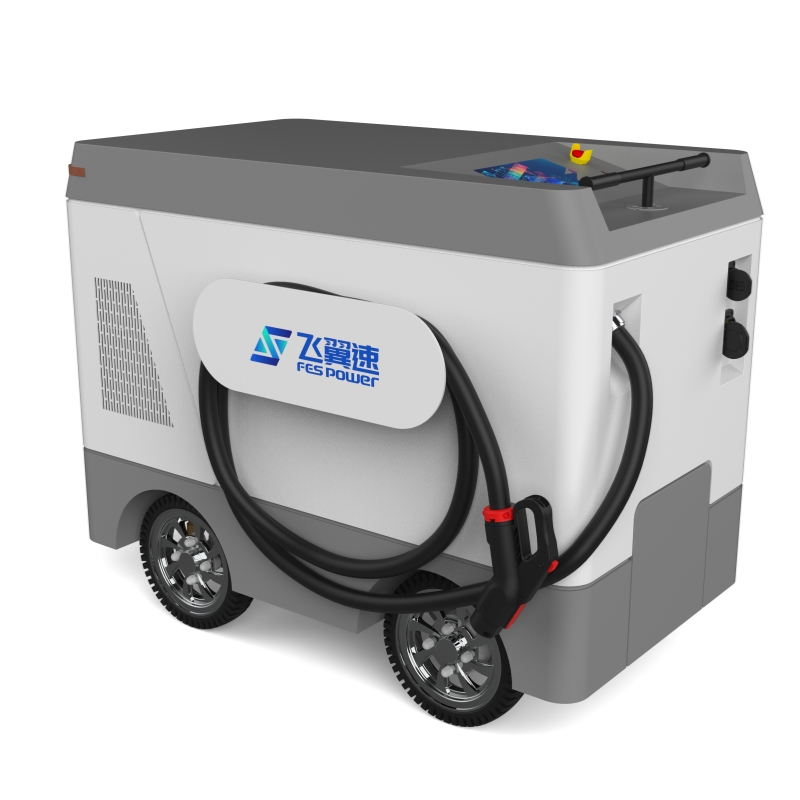
🚛 Mobile Charging Truck — with Customizable Battery Capacity
FES Power’s Mobile Charging Truck provides on-demand charging for depots and remote sites.
Key advantages include:
📡 Smart Charging + OCPP Cloud Platform
With its high-power hardware paired with intelligent management software, FES Power supports fleets in achieving cost-efficient electrification with scalable long-term planning.
A Turning Point for Heavy-Duty Electrification
As more countries define megawatt charging standards and expand commercial EV incentives, operators are no longer asking “if” but “how fast”—and how economically—they can electrify fleets.
The transition is already underway:
With solutions like FES Power’s modular fast chargers and customizable mobile charging trucks, fleet operators now have the tools to electrify efficiently—without overloading their budgets or the grid.



 IPv6 network supported