- Call Us : +86-15060765919
- Mail Us : bella@fespower.cn
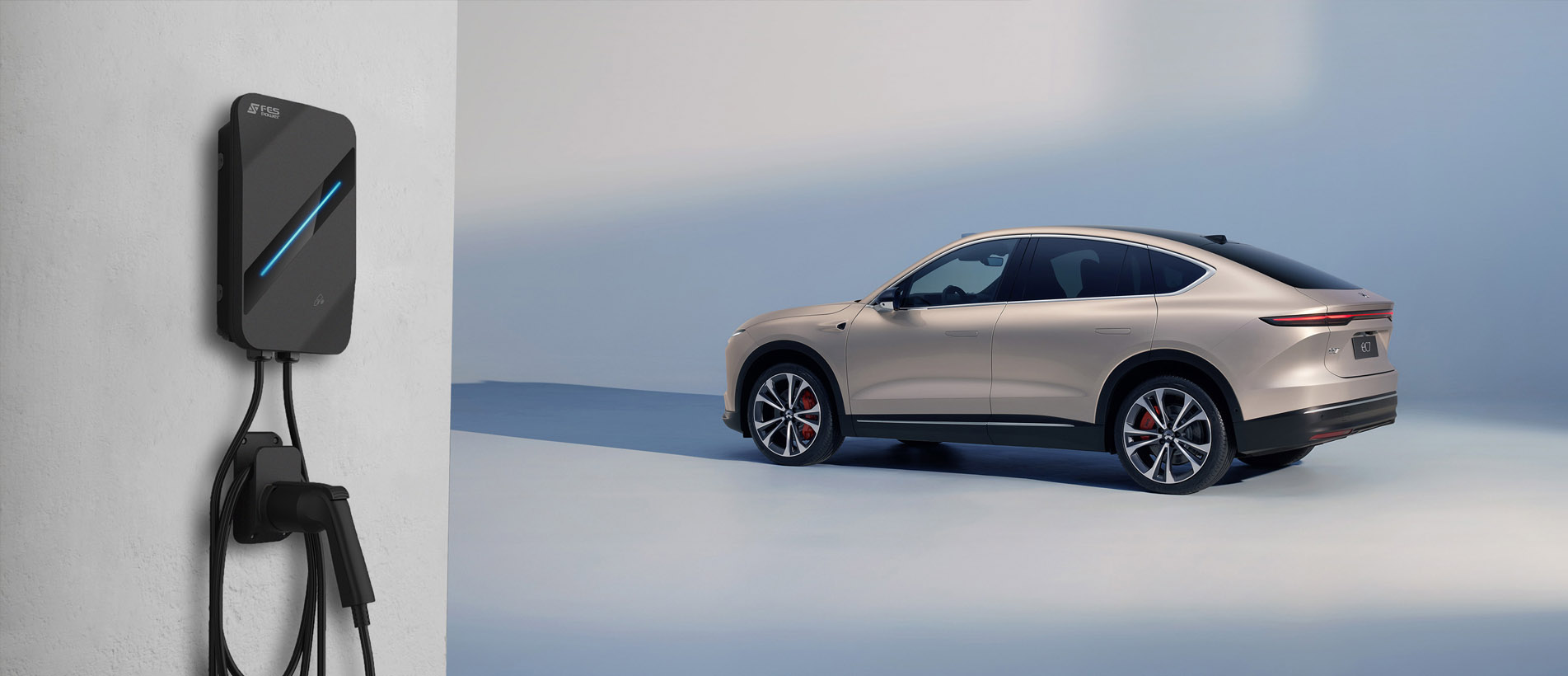
As winter arrives in many regions, EV charging performance often becomes a major concern for both drivers and station operators. Low temperatures affect not only the battery performance of electric vehicles but also the reliability and stability of charging infrastructure. To help operators maintain smooth service in freezing environments, experts highlight the importance of proper equipment selection and winter-specific maintenance.
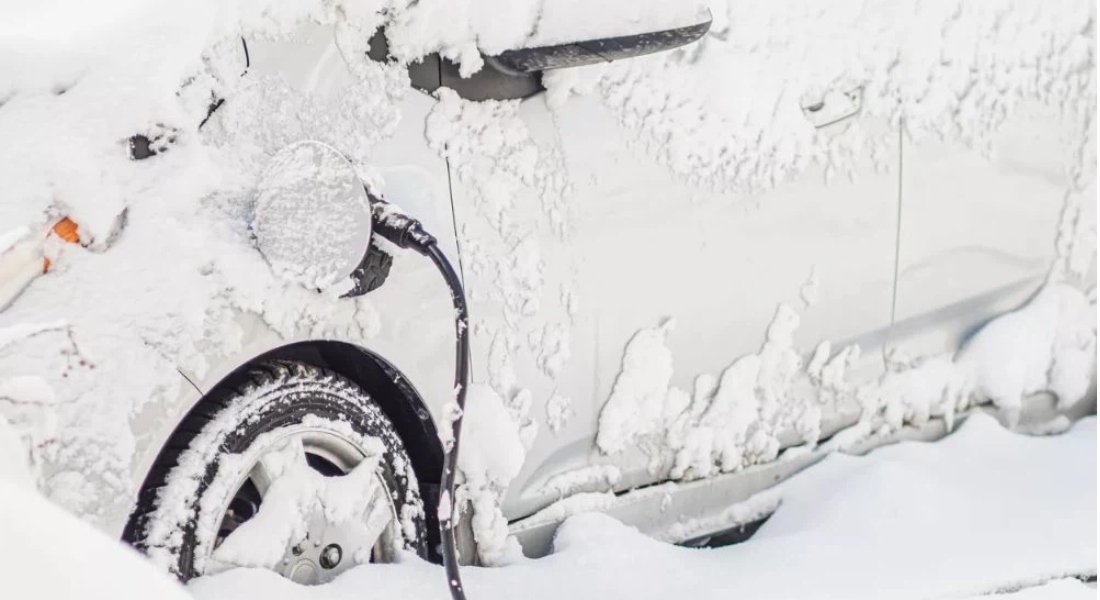
In cold climates, EV batteries naturally charge more slowly due to increased internal resistance. As a result, both AC and DC chargers may reduce output power, leading to longer charging times. Meanwhile, the chargers themselves face environmental stress. Components like contactors, capacitors, and power modules may struggle to operate properly in temperatures below –20°C, increasing the risk of startup failures or unstable output.
To overcome these challenges, winter-ready hardware has become essential. Chargers equipped with wide-temperature power modules, usually rated for –30°C to +55°C, ensure stable operation even in harsh environments. Systems with automatic pre-heating and intelligent temperature control can warm internal components before activation, reducing failure rates. Another key factor is the selection of low-temperature-resistant charging cables made from TPU or TPE, which remain flexible and durable even at –40°C.
Smart software also plays an important role. Modern charging systems can detect battery temperature and automatically adjust output power to protect both the battery and the charger. Platforms with real-time monitoring allow operators to track temperature, fault codes, and power fluctuations remotely—critical for reducing winter downtime.
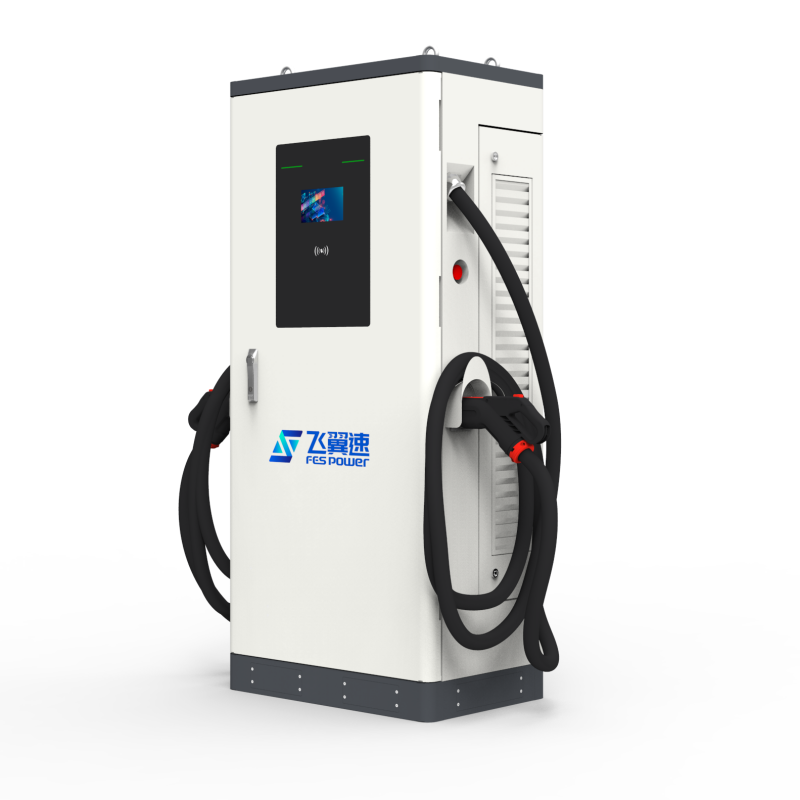
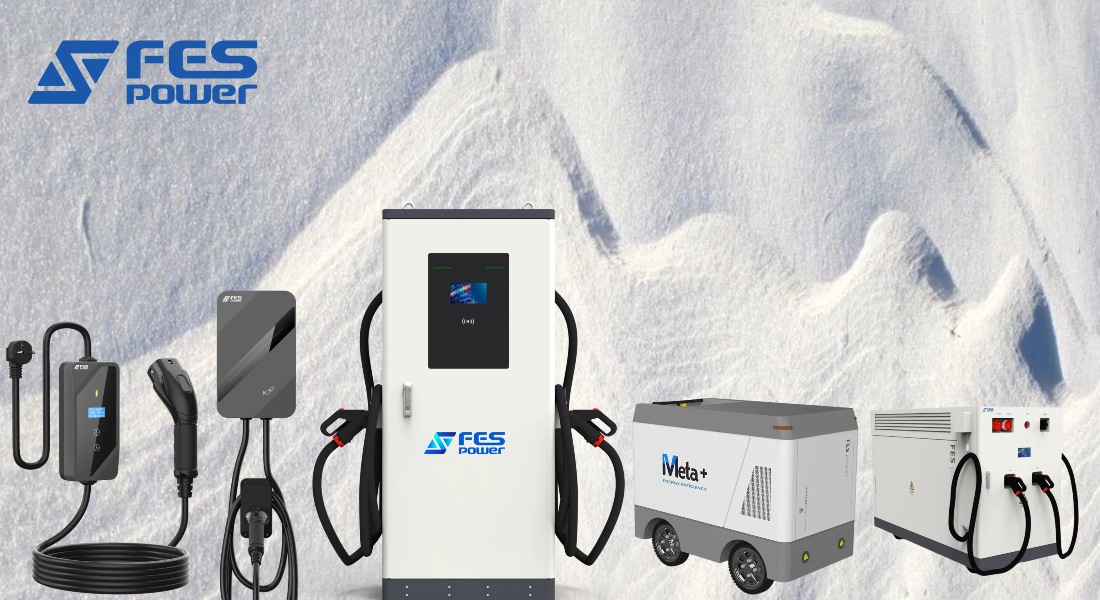
FES Power integrates these technologies across its AC and DC product lines. Its chargers include wide-temperature power modules, low-temperature flexible cables, intelligent thermal management, and 24/7 cloud monitoring, making them well-suited for winter operation.
Routine winter maintenance is equally important. Operators are encouraged to check heating modules, cooling fans, connectors, and gun holders regularly. Preventing snow and moisture accumulation, ensuring cable flexibility, and inspecting contactors can significantly reduce seasonal failures.
With the right hardware and smart maintenance strategies, winter no longer needs to be an obstacle for EV charging. By adopting equipment designed for low temperatures and strengthening winter-specific operations, charging stations can continue delivering reliable, safe, and efficient service all season long.



 IPv6 network supported