- Call Us : +86-15060765919
- Mail Us : bella@fespower.cn
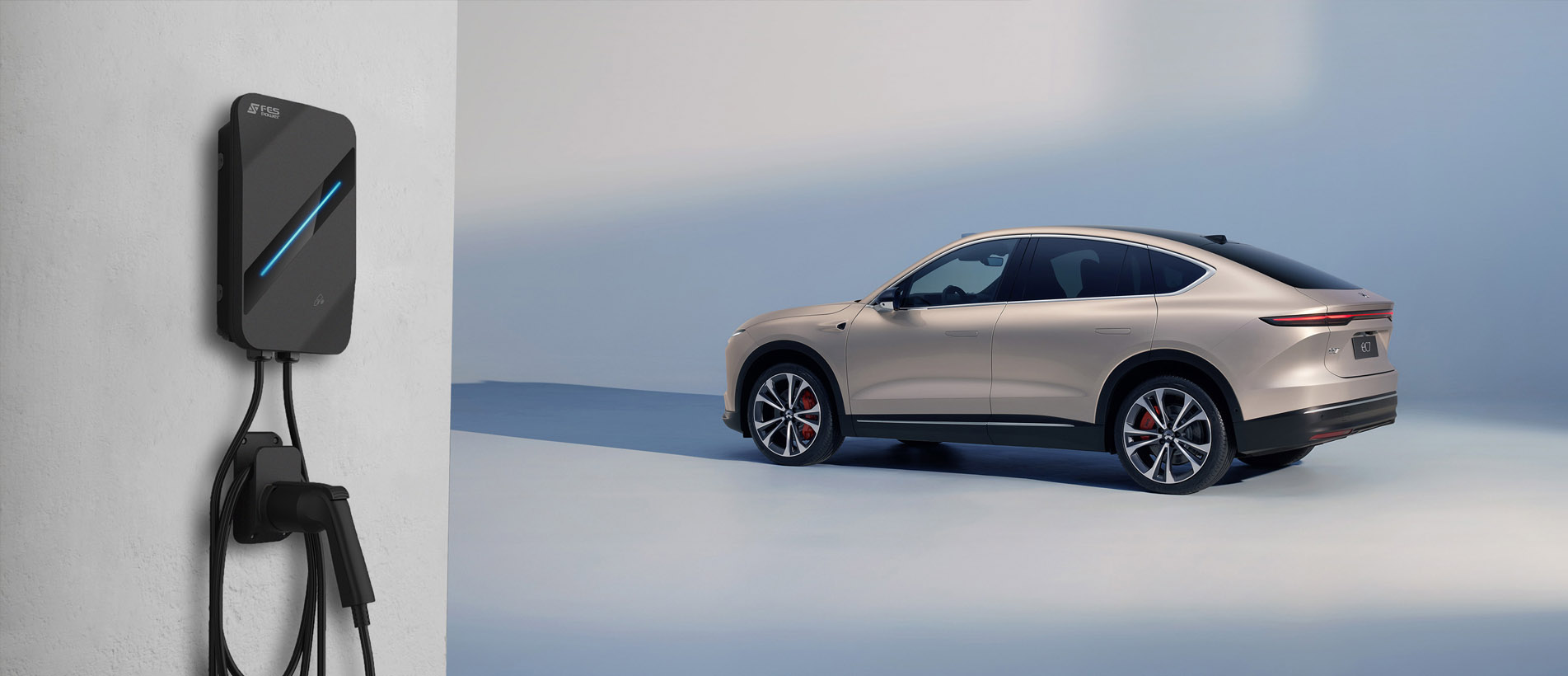
How Can We Achieve Truly Seamless EV Charging?
As EV adoption accelerates across Europe and the UK, charging convenience has become a central concern for both consumers and infrastructure operators. In 2024, battery-electric vehicles accounted for 19.6% of all new cars registered in the UK, marking a record high. However, despite rapid market growth, charging experiences often remain inconsistent and fragmented.
Achieving “seamless charging” — where users can plug in, authenticate automatically, pay effortlessly, and charge reliably across different networks — is far more complex than it seems. Several fundamental challenges explain why the industry is still struggling to deliver this ideal experience.
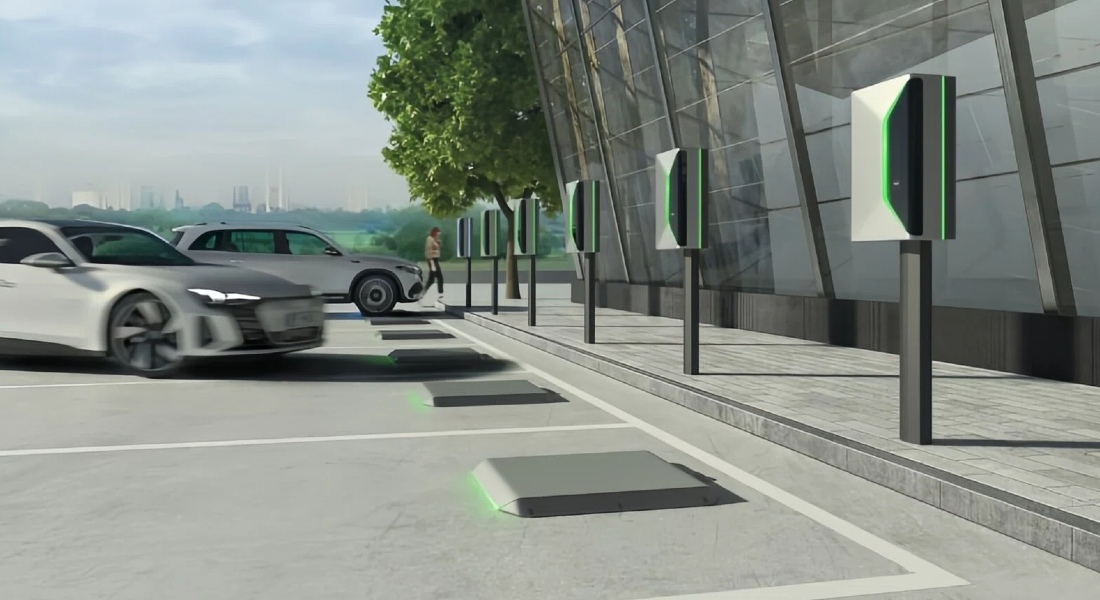
Why Is Seamless Charging Difficult to Achieve?
1. Fragmented Charging Standards With Limited Interoperability
Today’s charging ecosystem still includes multiple interfaces and communication protocols. While CCS is dominant across Europe and North America, alternative standards may exist or persist regionally. Each protocol comes with different communication logic, creating compatibility gaps between vehicles and chargers.
2. Disconnected Platforms and Authentication Systems
Even when the physical interface is compatible, backend systems are often siloed. EV drivers frequently need separate apps, accounts, or payment methods depending on the operator. This inconsistency breaks the continuity of the charging journey.
3. Security and Reliability Concerns
A technical survey of 325 DC fast chargers across several European countries found that only 12% of devices had enabled TLS encryption, while many relied on outdated firmware. Insufficient security measures expose infrastructure to communication errors, downtime, and cyber risks.
4. Limited Roaming Capabilities
Roaming — the ability for EV users to charge across different networks or countries using a single account — remains underdeveloped. For drivers traveling frequently or crossing borders, this leads to unpredictable access and inconsistent costs, undermining the user experience.
These challenges collectively prevent users from enjoying the simple, universal “plug-and-go” charging experience the industry aims to achieve.
Predicted Solutions and Future Directions
To move toward truly seamless charging, the EV industry is shifting its focus toward several key innovations and standardization efforts:
1. ISO 15118 & Plug & Charge (PnC)
Plug & Charge enables automatic authentication and billing as soon as the connector is plugged into the vehicle. When paired with Public Key Infrastructure (PKI) trust chains, PnC becomes secure, scalable, and interoperable across borders and operators.
2. Multi-Standard & Modular Hardware Design
Given the coexistence of various connector types and evolving communication protocols, next-generation chargers will increasingly support:
This ensures hardware remains compatible with both current and future EVs.
3. Unified Management Platforms & Secure Communications
Operators are expected to adopt standardized backend systems, such as OCPP-compliant platforms, to streamline authentication, billing, and remote monitoring. Meanwhile, encrypted communication (TLS), secure firmware updates, and continuous OTA upgrades will become mandatory for network reliability.
4. Cross-Network Roaming Alliances
Industry-wide roaming partnerships will play a significant role in creating borderless charging access, similar to roaming in the mobile telecom industry. This will allow drivers to use a single account across multiple charging networks, enhancing convenience and encouraging EV adoption.
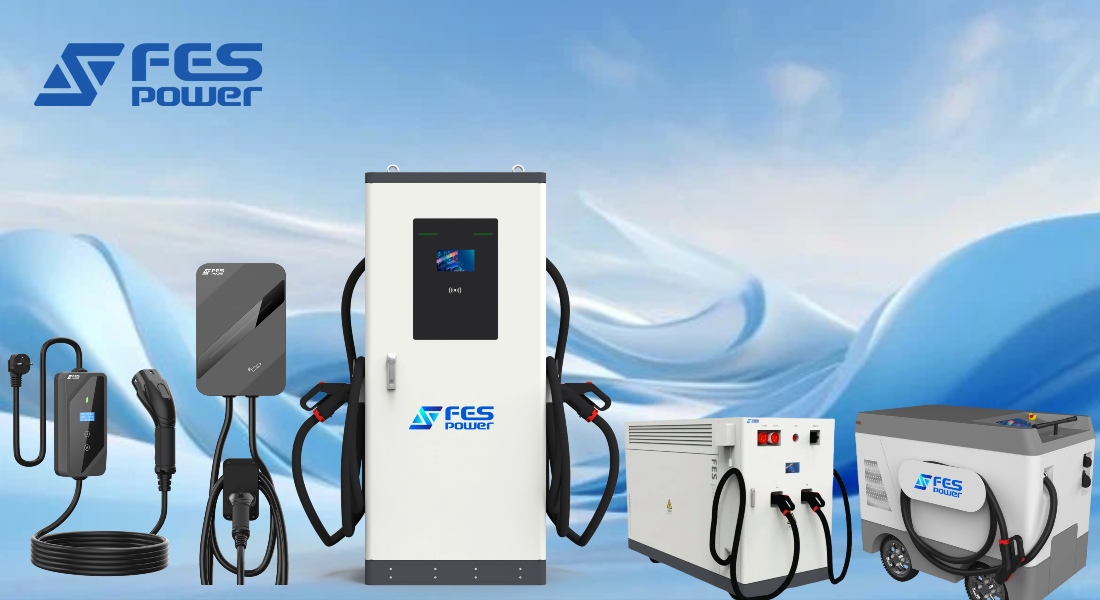
FES Power: Built for the Seamless Charging Era
FES Power designs charging infrastructure specifically for the emerging demands of interoperability, automation, and network intelligence.
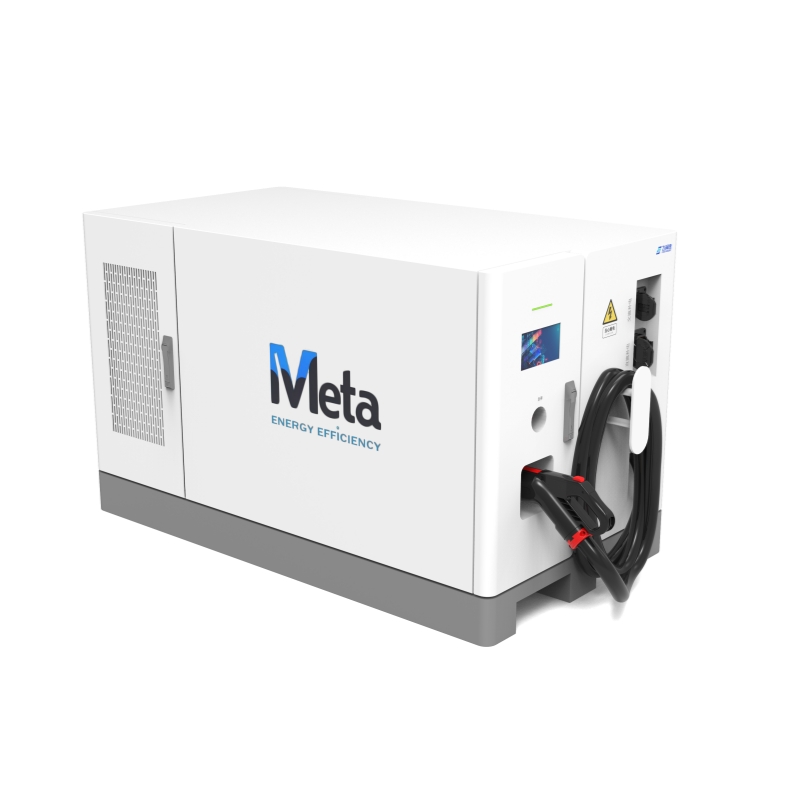
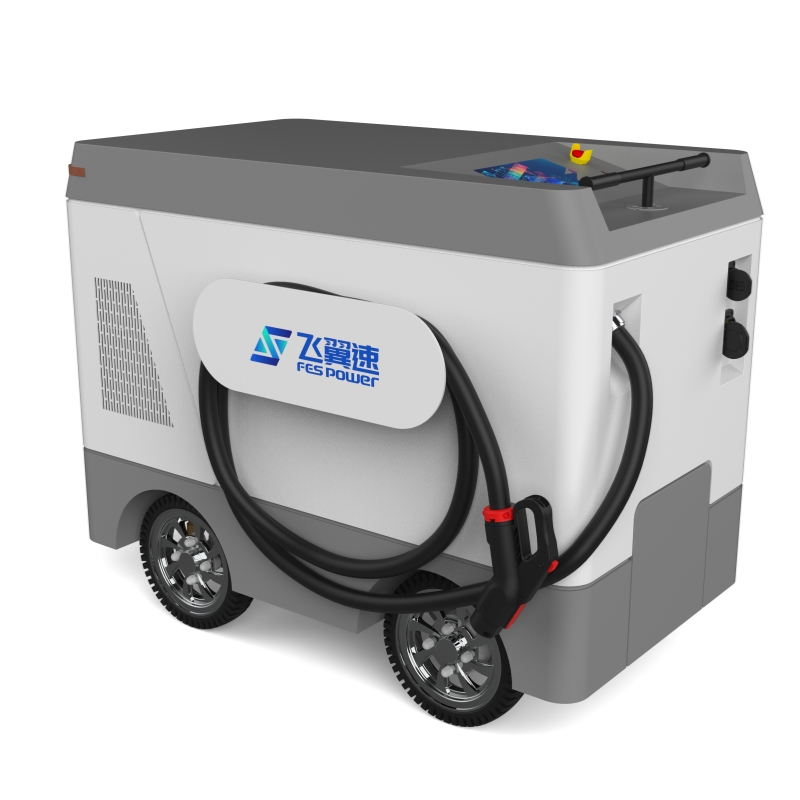
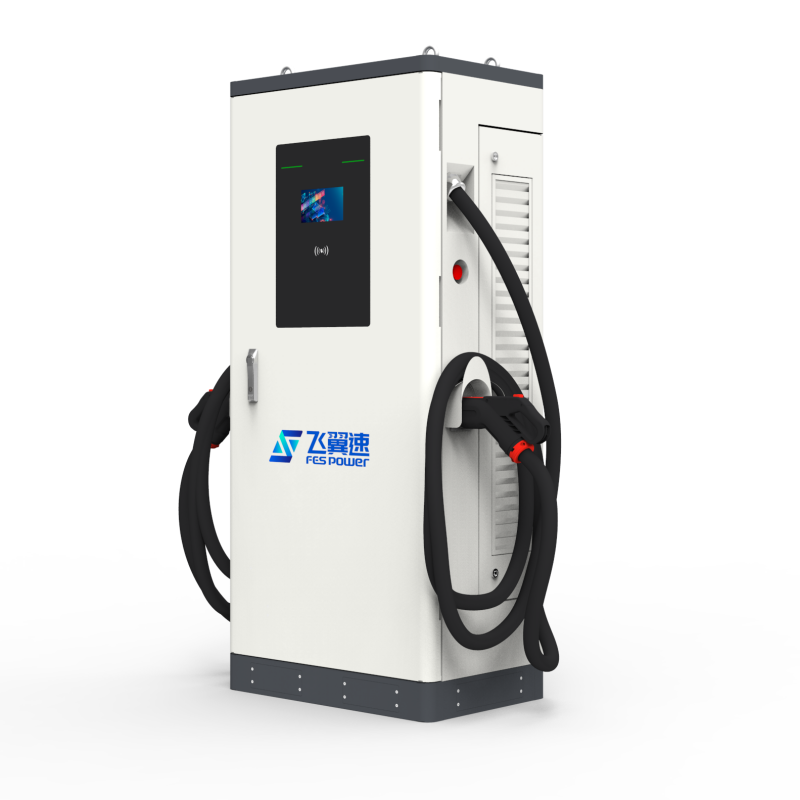
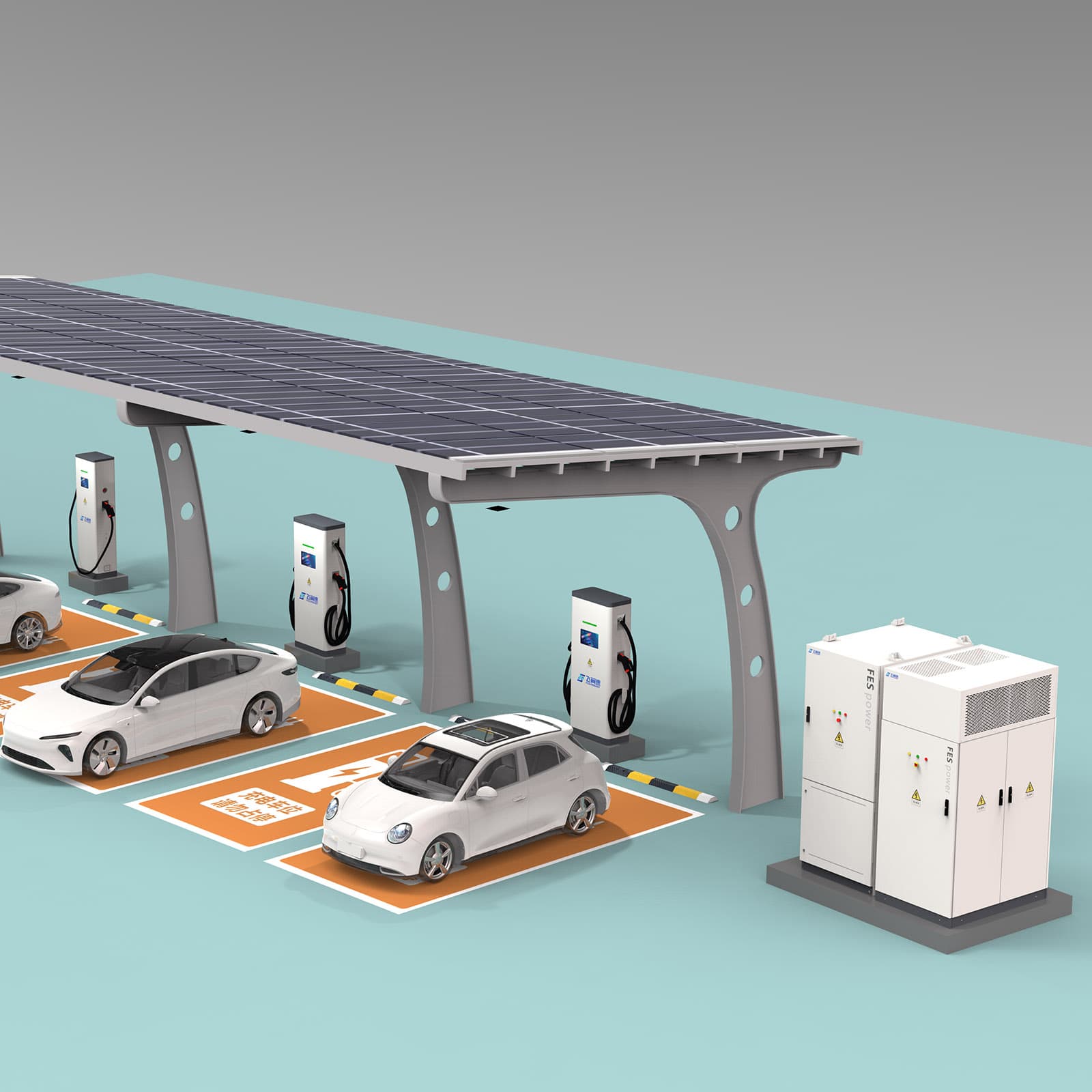
Our solution portfolio includes:
With these capabilities, FES Power empowers operators, property owners, and fleets to deploy charging networks that are scalable, interoperable, and ready for the next phase of EV growth.
Conclusion
With EV adoption rising rapidly — illustrated by the UK’s 19.6% BEV share in 2024 — the industry’s next challenge is not simply building more chargers, but building smarter, more interconnected, and secure charging ecosystems.
Seamless charging will be achieved only when interoperability, security, roaming, and standardization converge into a unified experience. FES Power’s next-generation solutions are engineered to support this evolution and help partners build charging infrastructures that meet the expectations of tomorrow’s electric mobility landscape.
If you need support in deploying intelligent, future-ready charging systems across the UK, Europe, or global markets, FES Power is ready to collaborate.



 IPv6 network supported