- Call Us : +86-15060765919
- Mail Us : bella@fespower.cn
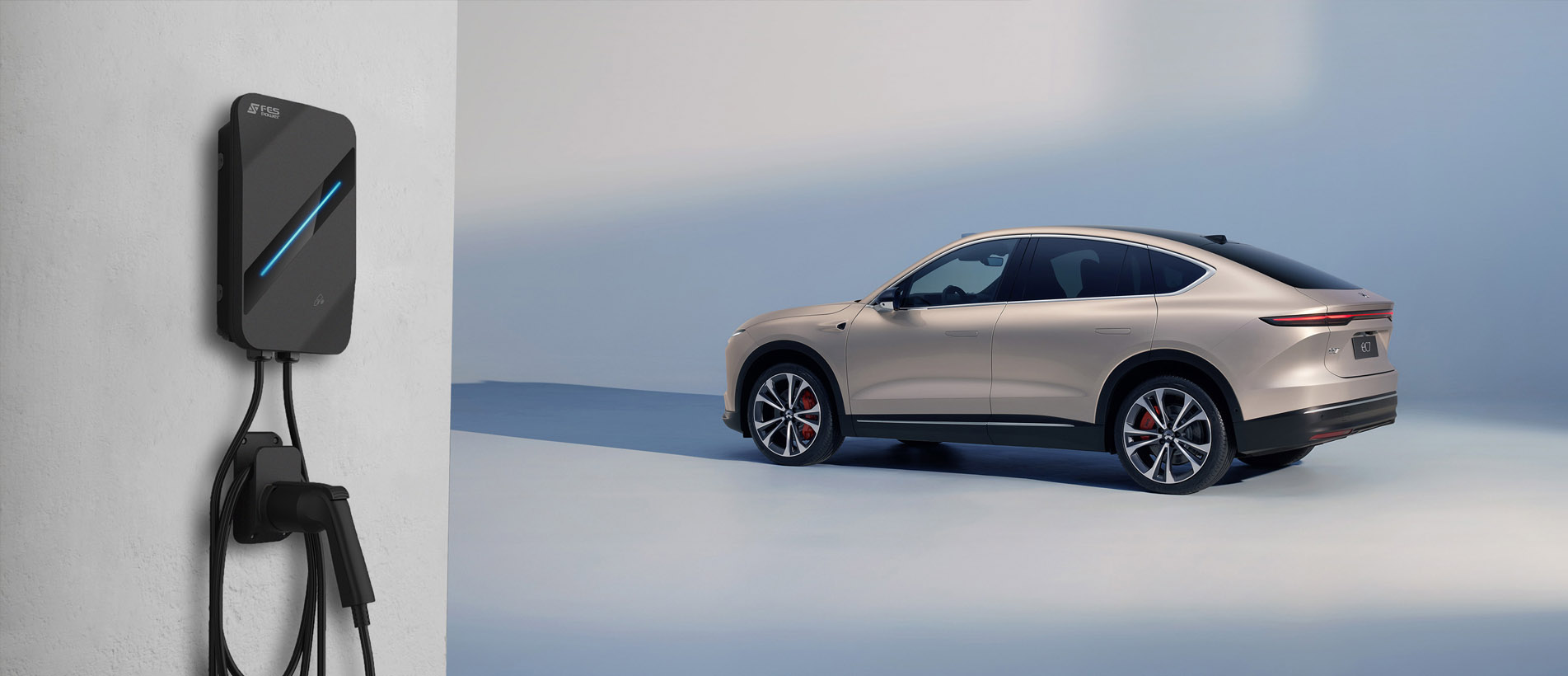
As global EV adoption accelerates past 20 million annual sales in 2025, the pressure on charging infrastructure is intensifying. While hardware advancements such as 150 kW and 350 kW fast chargers dominate headlines, a quieter but equally critical transformation is underway: software intelligence. Smart charging platforms are rapidly becoming the backbone of modern fast-charging networks, ensuring efficiency, stability, and user convenience at a scale never seen before.
How Does Smart Charging Improve Fast-Charging Efficiency?
Fast charging demands enormous electrical load. A single 350 kW charger consumes as much power as 50 households at peak. Without intelligent load allocation, stations can easily overload local grids. Smart charging algorithms manage power distribution in real time, reducing peak-time stress by up to 40%. These systems automatically balance charging sessions, prioritize available capacity, and optimize energy flow between chargers, local transformers, and on-site storage systems.
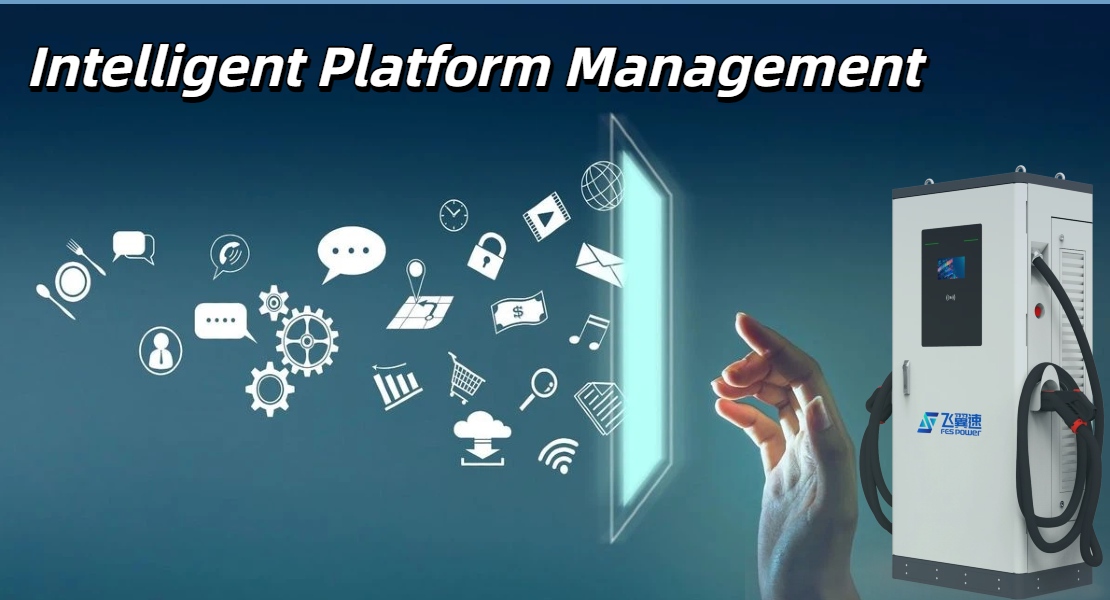
Why Is Real-Time Monitoring Essential for Fast-Charging Networks?
With public charger utilization rising by 35% globally this year, reliability has become a major challenge. Software-driven monitoring systems analyze station health, predict failures, and trigger preventive maintenance. Research shows that networks using predictive diagnostics reduce charger downtime by over 25%, ensuring consistent service across high-traffic regions such as highways and urban centers.
How Is AI Improving Charging Speed and User Experience?
AI-powered systems now predict charger availability, energy demand, and queue times. Google Maps’ newly added availability forecasting is a key example, helping drivers avoid congestion. For charging operators, AI can forecast local energy consumption shifts and adjust pricing dynamically—strategies that have boosted station profitability by 15–20% in pilot markets.
What Role Does Smart Charging Play in Grid Stability?
As fast charging scales, grid integration becomes critical. Smart charging platforms synchronize charging with renewable energy peaks, reducing carbon intensity by up to 30%. Moreover, advanced systems support V2G (Vehicle-to-Grid) and V2H (Vehicle-to-Home) interactions, turning EVs into flexible energy assets for grid stabilization, especially during peak hours or high-demand seasons.
How Is FES Power Supporting the Shift to Intelligent Charging?
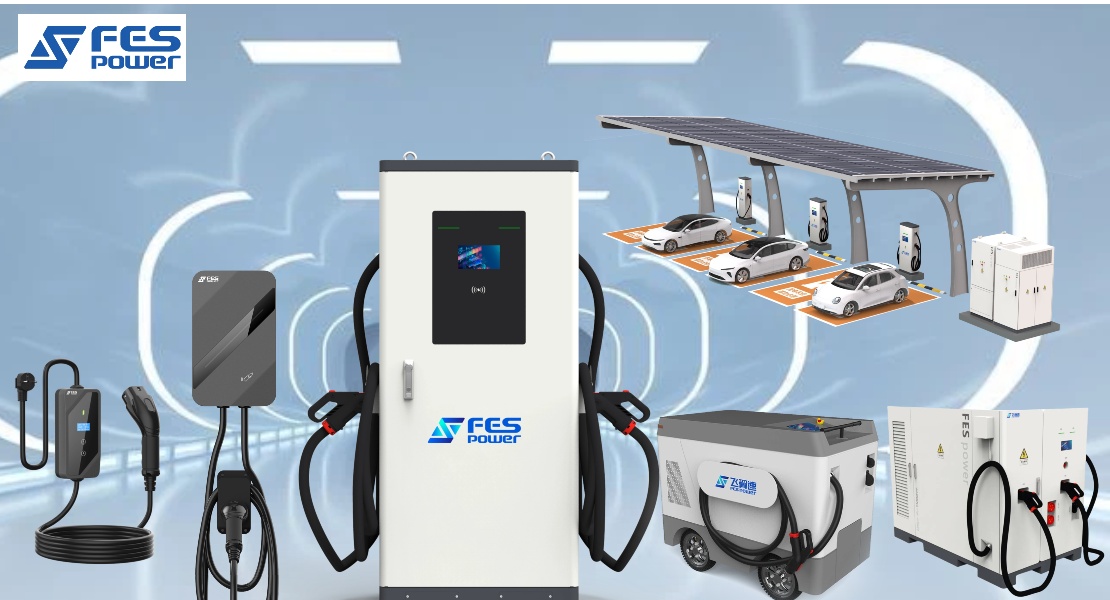
FES Power integrates smart charging capabilities across its product lines to support the growing demand for intelligent infrastructure:
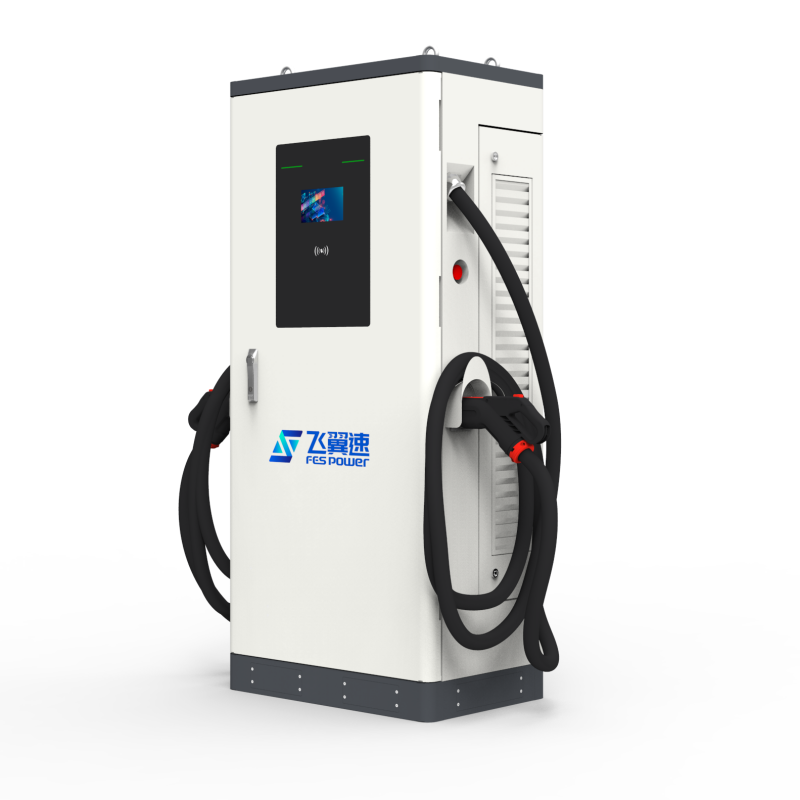
Support OCPP intelligent management, remote diagnostics, dynamic load control, and modular power expansion for future grid requirements.
Equipped with RFID, mobile app monitoring, scheduled charging, and smart home energy allocation.
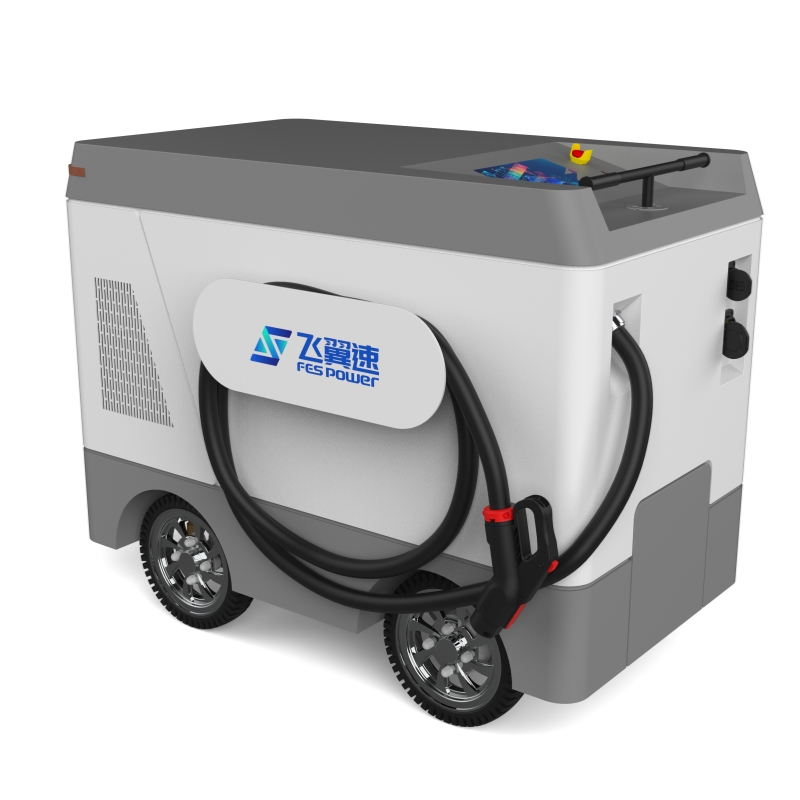
Provide intelligent dispatch and monitoring for emergency or fleet-based charging operations.
These solutions help operators reduce energy waste, improve uptime, and deploy scalable, grid-friendly fast-charging networks.
What’s Next for Smart Charging?
By 2030, more than 60% of global public chargers are expected to rely on AI-driven energy management systems. From predictive load balancing to autonomous V2G transactions, software will define the next era of EV charging—making fast charging not only quick, but also intelligent, efficient, and sustainable.



 IPv6 network supported