- Call Us : +86-15060765919
- Mail Us : bella@fespower.cn
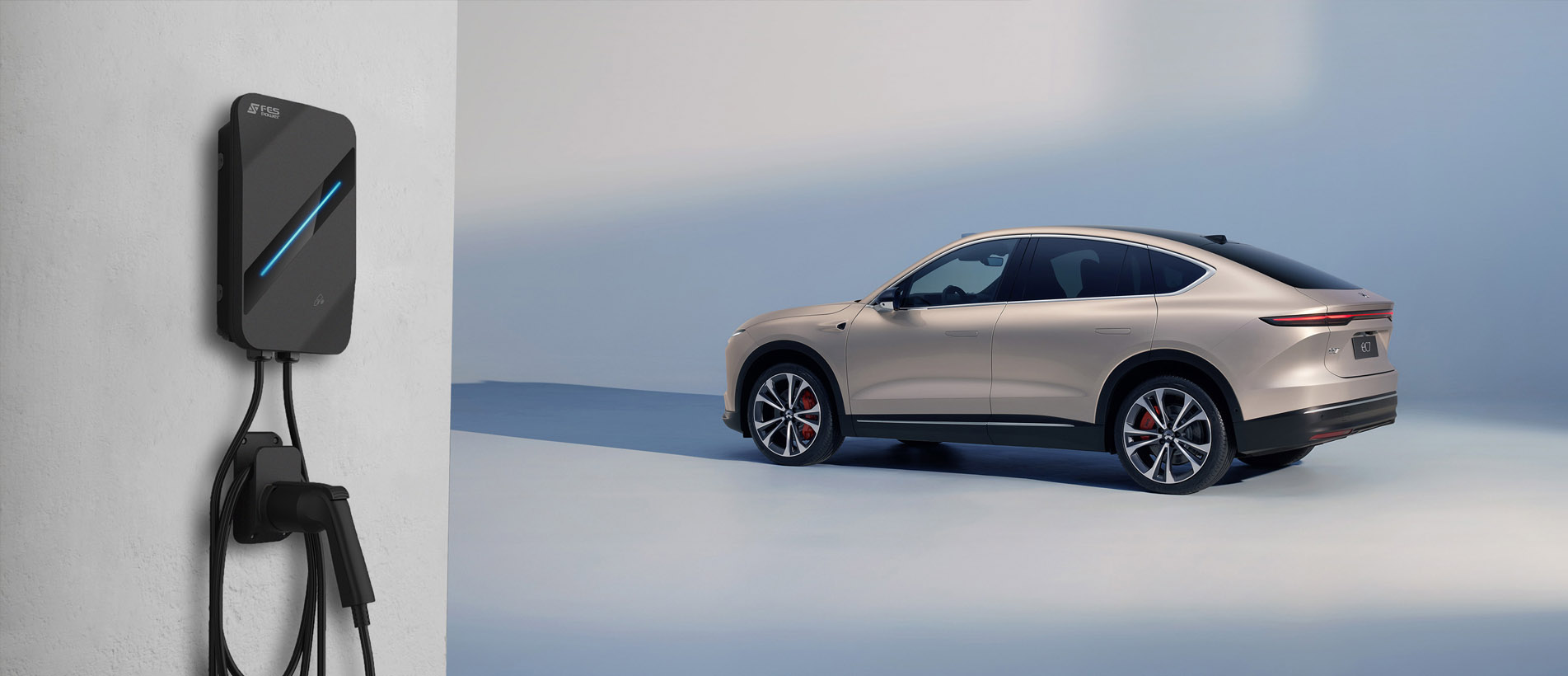
As electric vehicles (EVs) continue to expand rapidly across global markets, EV chargers have become one of the most essential and discussed pieces of infrastructure in the e-mobility ecosystem. Governments, energy companies, parking operators, and fleet owners are all investing heavily in charging solutions—but many people are still unclear about what an EV charger actually is and how it works.
This article provides a clear overview of what an EV charger is, what key components it includes, and why choosing the right charging solution matters.
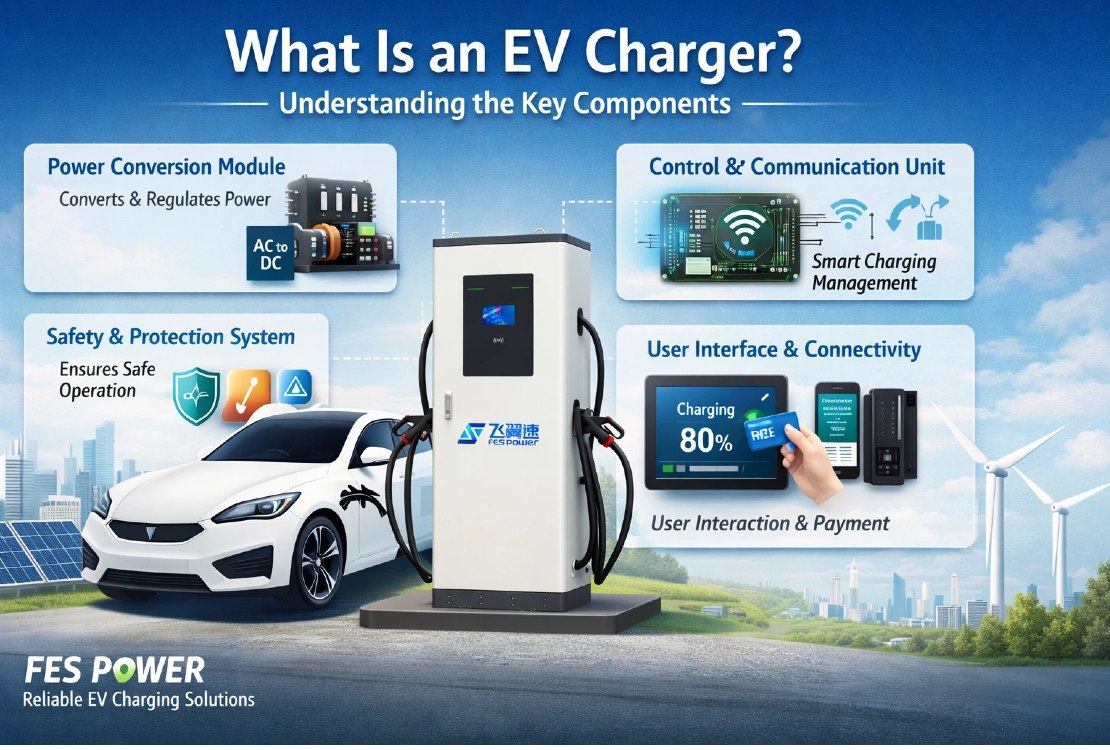
What Is an EV Charger?
An EV charger (Electric Vehicle Charger) is a device that delivers electrical energy from the power grid to an electric vehicle’s battery in a controlled, safe, and efficient manner. Unlike traditional fuel dispensers, EV chargers are intelligent power systems that manage energy conversion, communication with the vehicle, and real-time safety monitoring during the charging process.
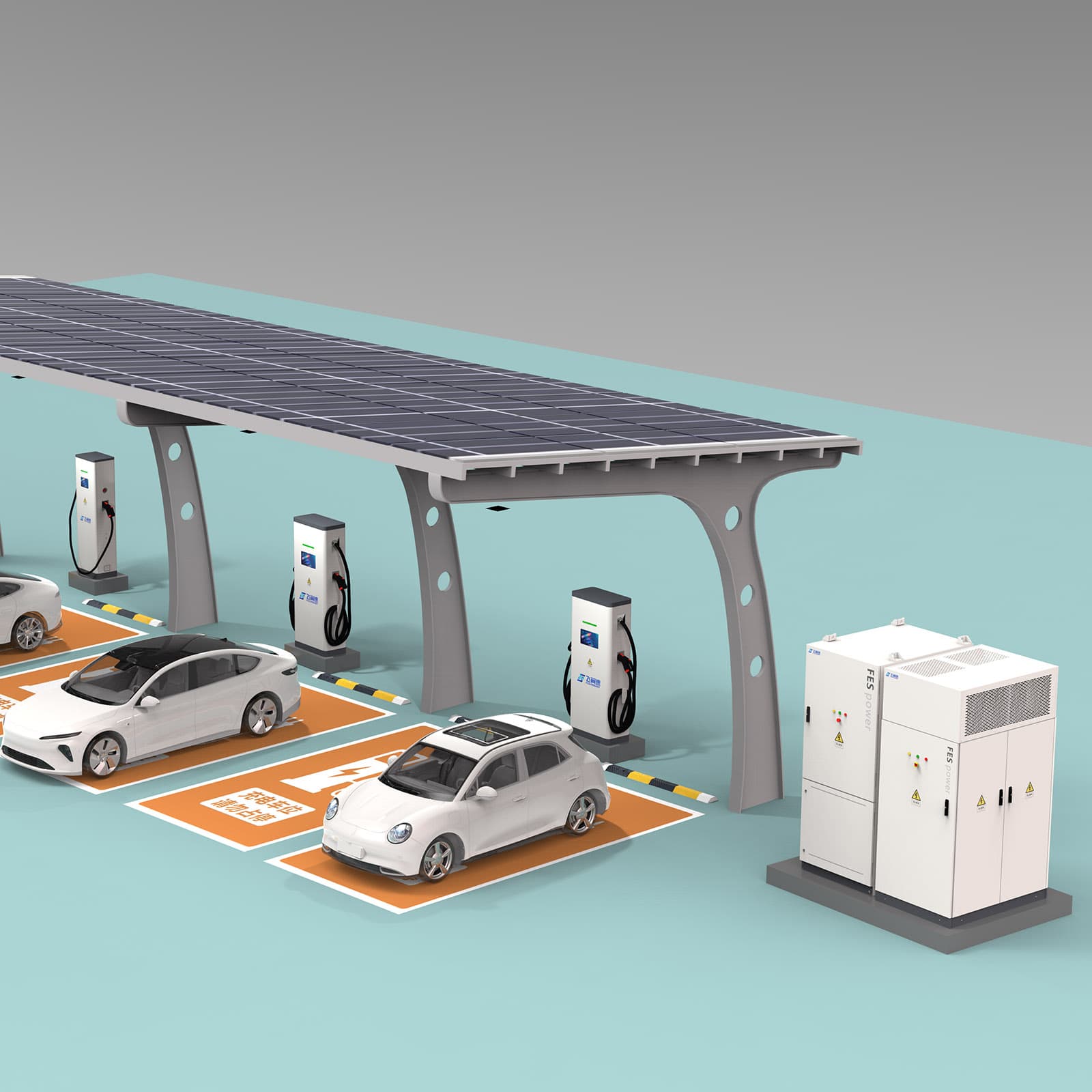
Depending on the application, EV chargers can be installed in public charging stations, commercial parking facilities, fleet depots, highways, and residential areas.
Why Is EV Charging Infrastructure in High Demand?
The growing demand for EV chargers is driven by several key factors:
Global commitments to carbon neutrality and emission reduction
Rapid growth in electric vehicle adoption
Expansion of public and commercial charging networks
Increasing focus on high-power and fast-charging solutions
As EV penetration increases, charging availability and performance are becoming decisive factors for both end users and infrastructure operators.
Key Components of an EV Charger
A modern EV charger consists of multiple core systems working together:
Power Conversion Module
This is the heart of the charger. It converts AC power from the grid into DC power suitable for charging EV batteries, especially in DC fast chargers. High-quality power modules ensure high efficiency, stable output, and fast charging performance.
Control and Communication System
The control unit manages the entire charging process. It communicates with the vehicle and backend systems, adjusts output power dynamically, and supports smart charging functions such as load management and remote monitoring.
Safety and Protection System
EV chargers are designed with multiple protection mechanisms, including over-current, over-voltage, temperature monitoring, and insulation protection. These systems ensure safe operation for vehicles, users, and the electrical grid.
User Interface and Connectivity
Displays, indicators, RFID readers, and network connectivity allow users to easily start charging, monitor progress, and complete payments, while enabling operators to manage chargers remotely.
Not All EV Chargers Are the Same
EV chargers vary significantly in power level, charging speed, and application scenario. Selecting the right solution depends on usage frequency, vehicle types, grid capacity, and long-term operational goals. For commercial and public charging applications, high-power, scalable, and future-ready solutions are increasingly preferred.
FES Power: Supporting the Future of EV Charging
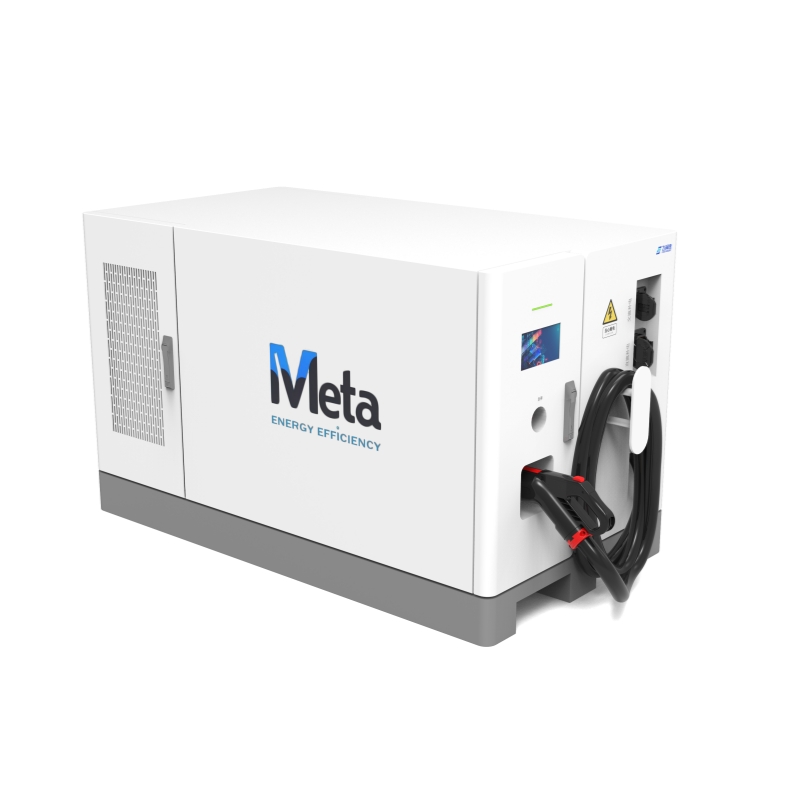
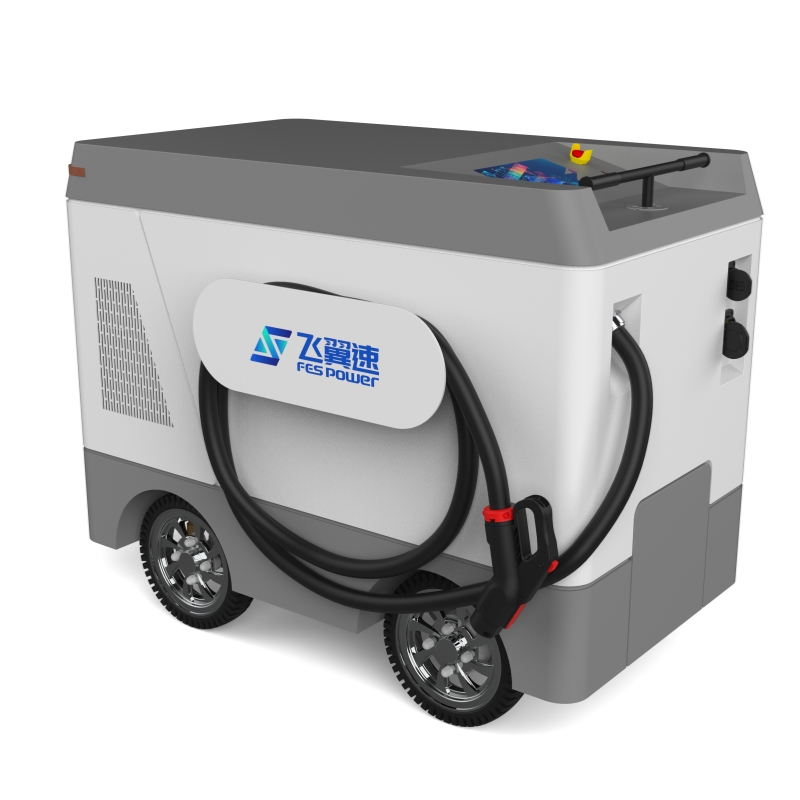
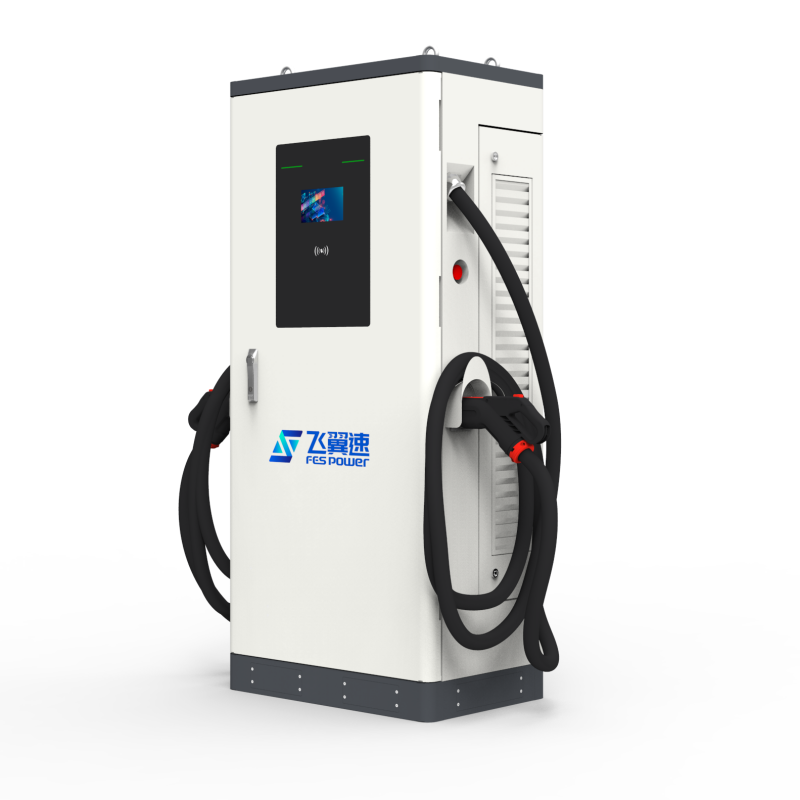
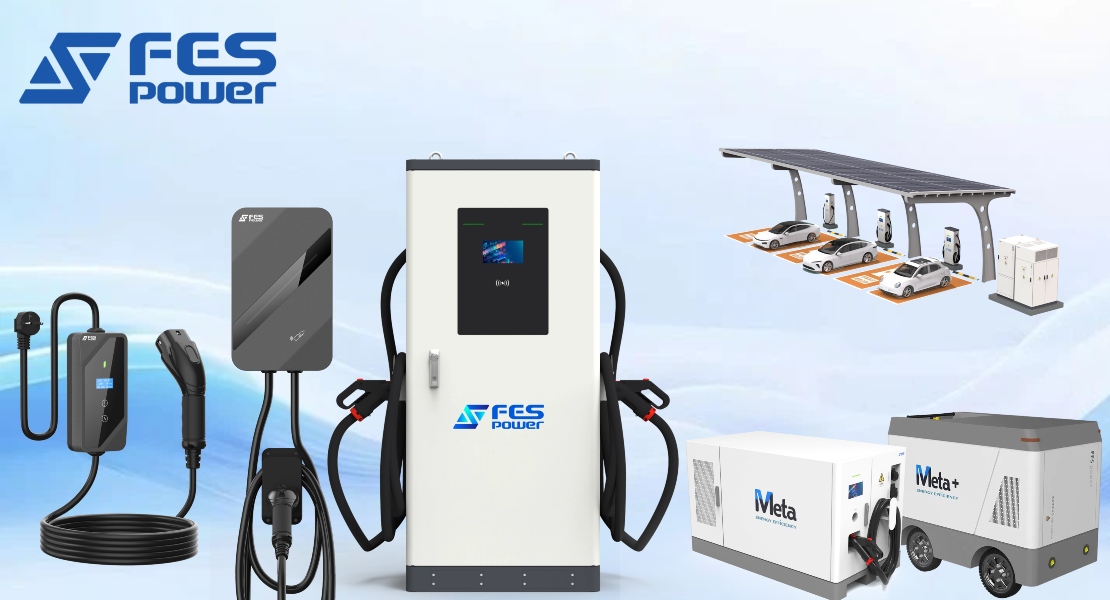
At FES Power, we specialize in high-performance EV charging solutions for commercial and public applications. Our product portfolio includes:
FES Power solutions are engineered to deliver reliability, safety, and long-term value, helping customers build efficient and sustainable EV charging infrastructure.
Looking Ahead
EV chargers are no longer optional—they are a core component of the electric mobility transition. Understanding how they work and what makes a high-quality charging solution is essential for businesses and infrastructure developers preparing for the future.
As EV adoption accelerates worldwide, EV charging infrastructure will continue to play a central role in shaping the next generation of transportation.



 IPv6 network supported