- Call Us : +86-15060765919
- Mail Us : bella@fespower.cn
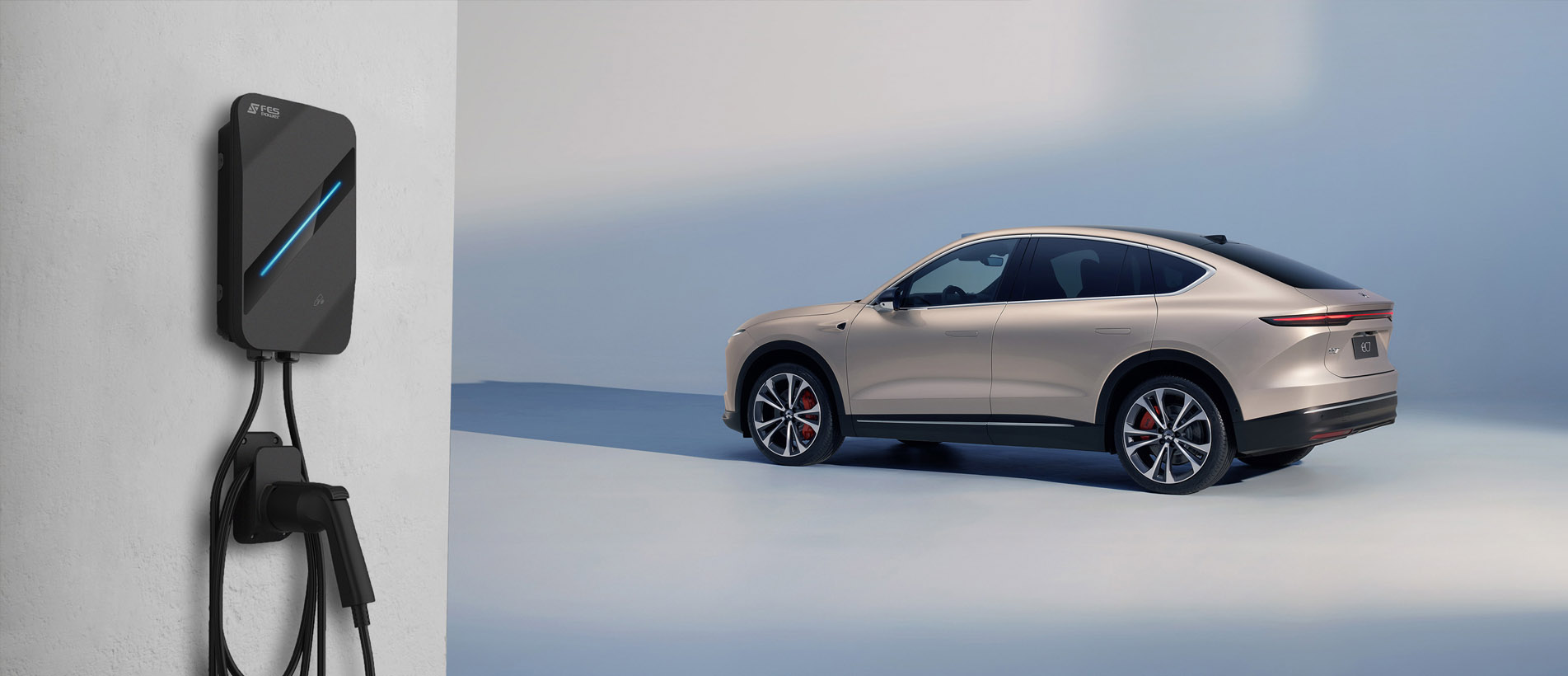
As the global demand for EV charging infrastructure accelerates, certification has become more than a regulatory requirement — it is a decisive factor for successful market entry.
Different regions enforce different certification systems to ensure EV chargers meet electrical safety, grid compatibility, and operational reliability standards.
Without the right approvals, even high-performance charging equipment cannot be legally sold or installed.
In Europe, CE certification is mandatory, covering electrical safety, EMC performance, and environmental compliance.
In the UK, EV chargers must meet UKCA requirements following Brexit.
For North America, UL / ETL (USA) and CSA (Canada) certifications focus heavily on fire safety and long-term durability.
Meanwhile, Australia and New Zealand require RCM certification based on AS/NZS standards, while many other regions rely on IEC and CB-based approvals combined with local registrations.
Across all markets, certifications are designed to verify:
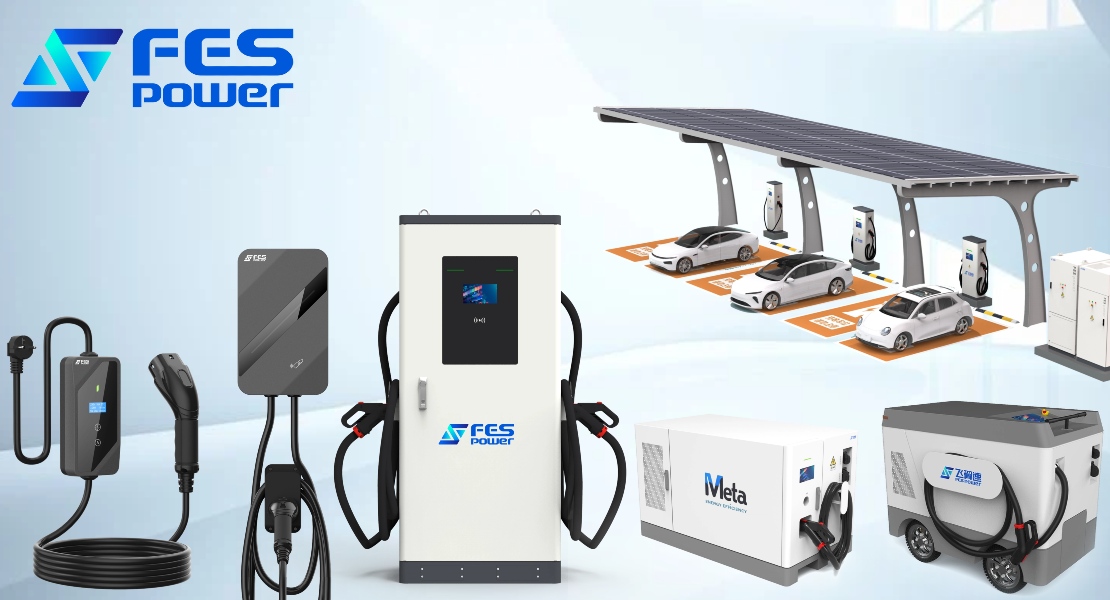
At FES Power, we design EV charging solutions with global certification and export readiness at the core.
Our AC and DC charging systems adopt certification-ready architectures, modular power designs, and flexible configurations to support compliance across multiple international markets.
For distributors, operators, and project partners, this means:
As EV infrastructure continues to expand worldwide, choosing certification-compliant and market-ready EV chargers is essential.
With the right products and the right compliance strategy, global EV charger sales become simpler, safer, and more profitable.



 IPv6 network supported