- Call Us : +86-15060765919
- Mail Us : bella@fespower.cn
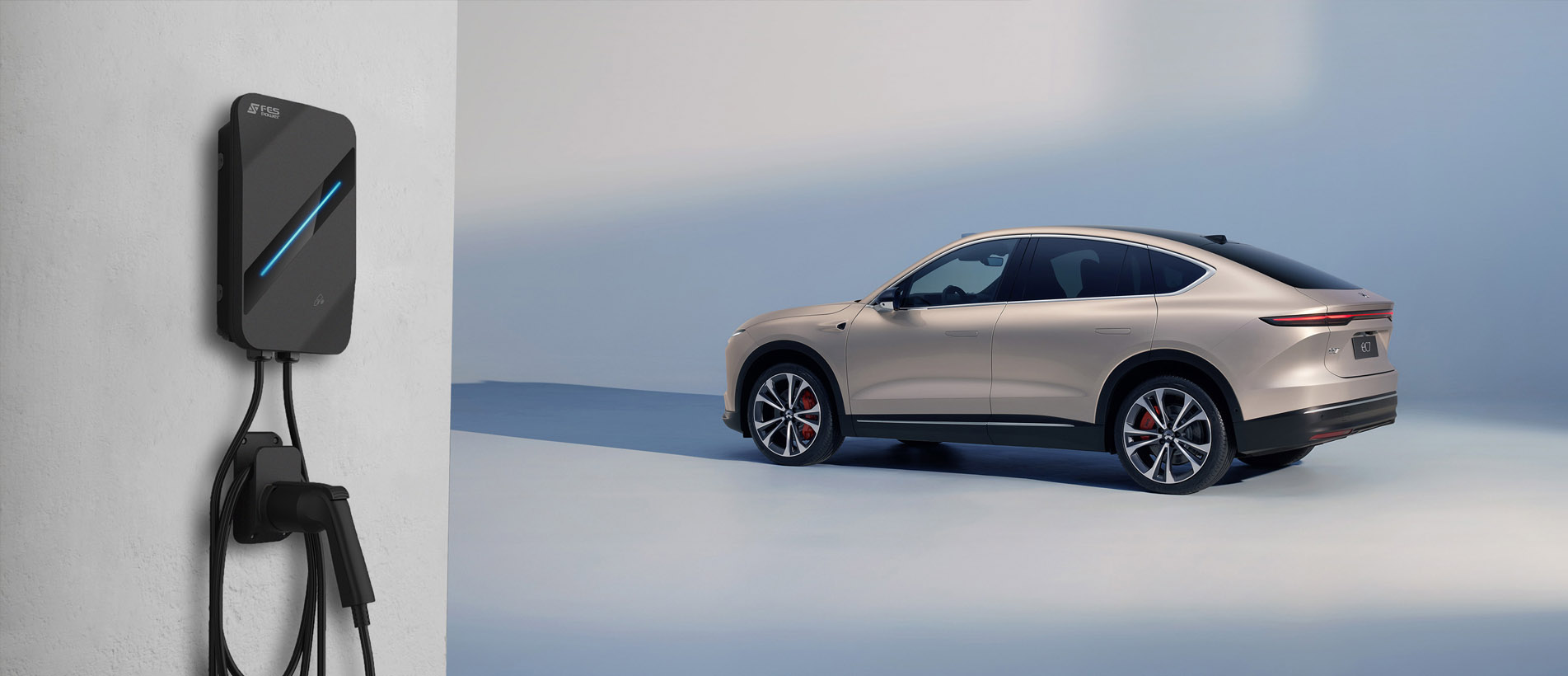
As residential EV adoption accelerates, the home charging segment is experiencing rapid technical advancement. While traditional AC chargers have typically focused on delivering stable 7 kW to 11 kW power for overnight charging, user expectations have expanded significantly in the last two years. Today’s homeowners are demanding smarter energy management, improved safety, lower standby losses, and seamless integration with renewable and storage systems.
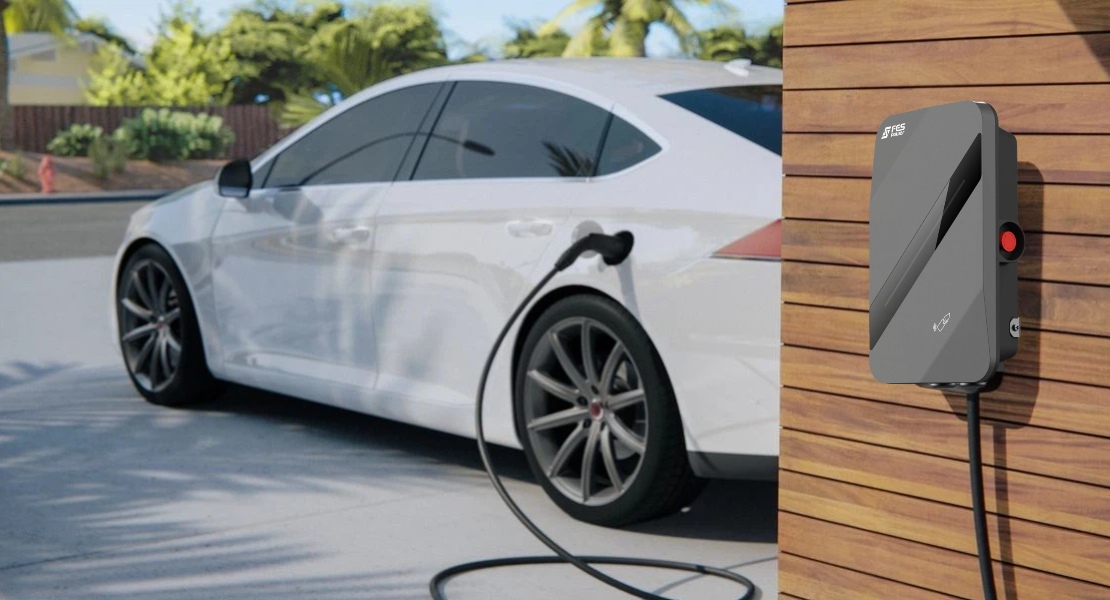
What Do Users Expect From the Next Generation of Home Chargers?
Recent industry studies show that more than 70 percent of EV owners consider charging reliability and real-time monitoring as top priorities. Additionally, energy efficiency has become a critical factor, with consumers increasingly comparing standby consumption and power-conversion efficiency before purchasing. Safety features—such as enhanced temperature sensors, reinforced overcurrent protection, and higher IP ratings—have also become essential for long-term operation.
How Is the Market Responding Through Technology?
Manufacturers are transitioning toward high-efficiency power conversion modules, modular board architectures, and firmware capable of optimizing charging behavior based on grid conditions. The integration of OCPP, app-based diagnostics, and detailed consumption analytics is becoming standard in mid-to-high-end models. Many new AC chargers are also engineered to interoperate with photovoltaic systems, enabling dynamic load balancing across household appliances to prevent circuit overloads.
How Do Practical Solutions Reflect These Trends?
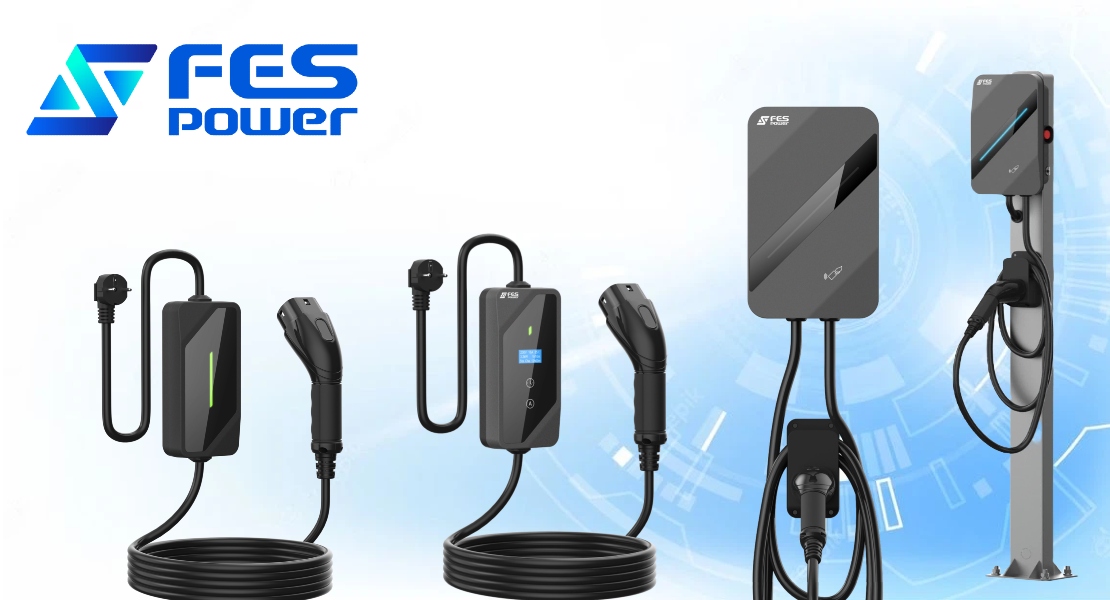
Aligned with these industry developments, FES Power provides a home-charging lineup designed to meet the evolving expectations of modern EV users. Our portable EP01 and EP02 models address flexible charging scenarios with compact form factors, adjustable current settings, and advanced protective circuitry. For fixed residential installations, the wall-mounted EC01 delivers stable 7 kW class charging with smart connectivity features, app monitoring, and enhanced energy-efficiency controls. These solutions offer homeowners safe, user-centric charging while maintaining compatibility with diverse household electrical environments.
What Comes Next for Home EV Charging?
The future landscape will be shaped by three major trends:
AI-assisted energy scheduling that predicts user driving patterns and automatically optimizes charging times.
Bidirectional-ready AC platforms, enabling V2H/V2G functionality once regulatory frameworks mature.
Greater portability, allowing chargers to serve multi-location use cases, from apartments to travel scenarios.
Together, these advancements will enable safer, more energy-aware, and more intelligent home EV charging ecosystems—delivering long-term value for both users and grid operators.



 IPv6 network supported