- Call Us : +86-15060765919
- Mail Us : bella@fespower.cn
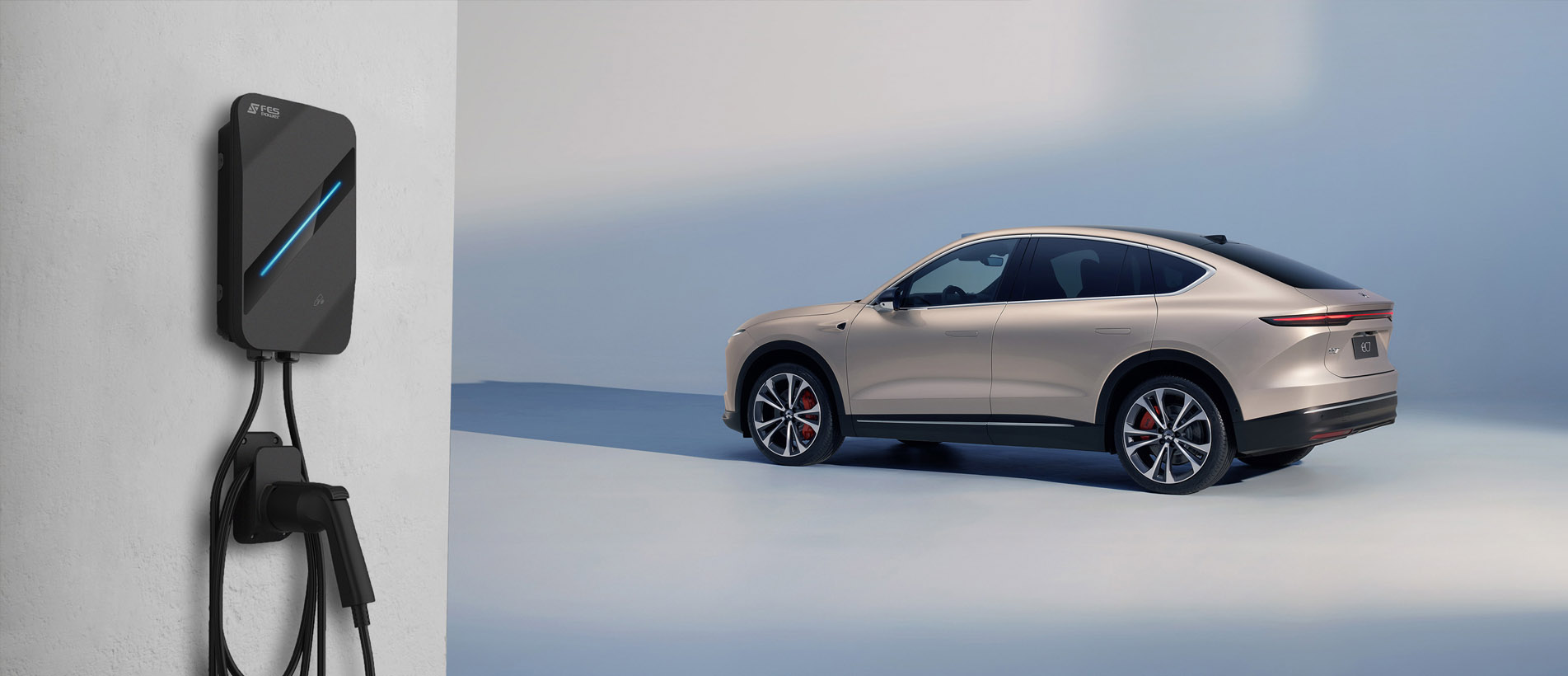
As EV adoption accelerates worldwide, “fast charging” has become a key requirement for public charging stations, fleets, and commercial charging hubs. But how fast is fast charging in real-world scenarios?
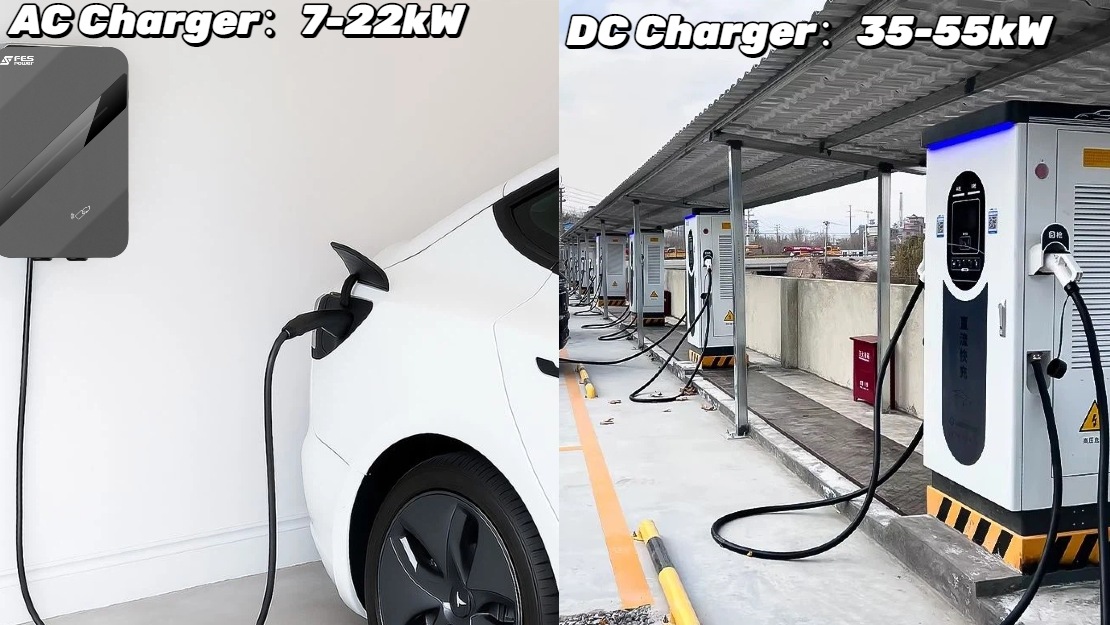
In the EV industry, fast charging typically refers to DC charging starting from 50 kW, while ultra-fast charging usually exceeds 150 kW. Based on real charging data, a typical EV with a 70 kWh battery can charge from 20% to 80% in around 45–60 minutes at 50 kW, while 150–250 kW DC fast chargers can reduce this time to 15–30 minutes, depending on the vehicle’s charging curve.
However, higher power does not always mean proportionally faster charging. Most EVs can only maintain peak charging power for a limited time, as charging speed gradually tapers to protect battery health. This makes efficient power utilization and system design just as important as headline kW numbers.
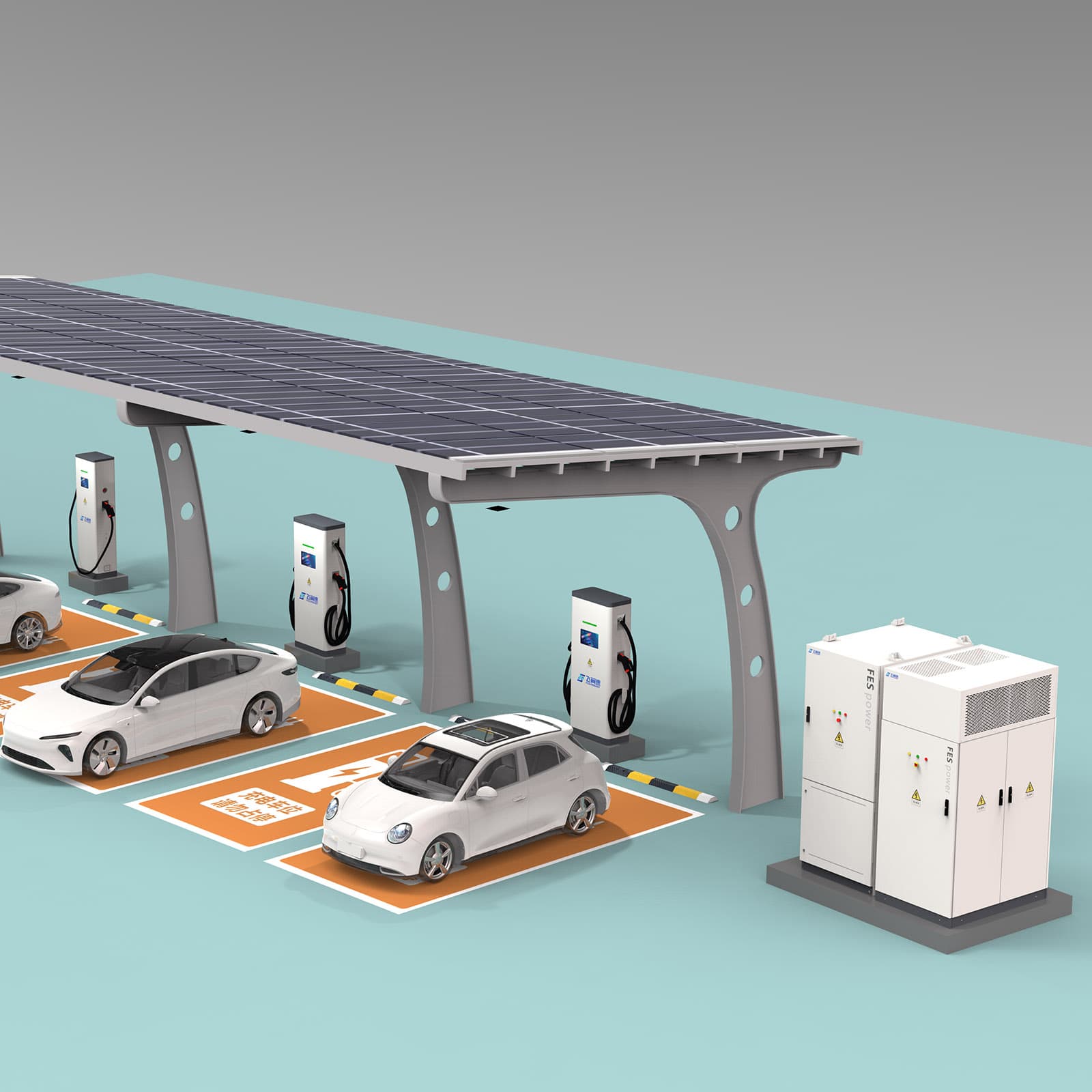
To address this challenge, high-power charging hubs are increasingly adopting centralized and modular architectures. Instead of fixed power per connector, power can be dynamically distributed based on real-time vehicle demand, significantly improving station utilization and operational efficiency.
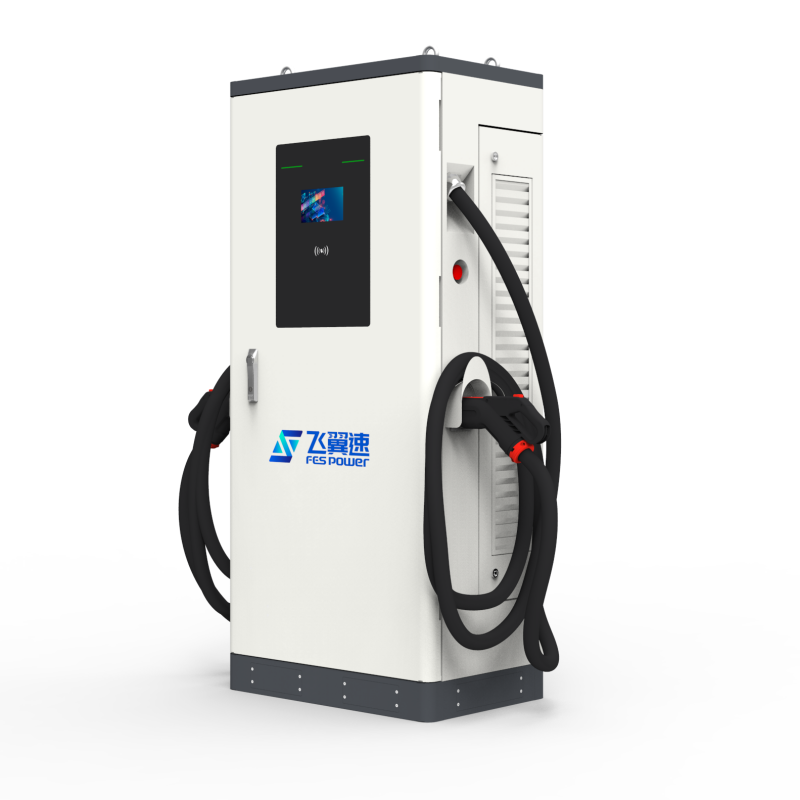
FES Power’s high-power DC charging solutions, including 480–960 kW centralized charging systems, are designed for exactly these scenarios. With wide voltage output (150–1000 V) and dynamic power allocation across multiple charging points, the system enables simultaneous fastcharging for multiple vehicles while ensuring scalability for future expansion. This makes it an ideal solution for highways, logistics depots, fleet charging, and public fast-charging hubs.
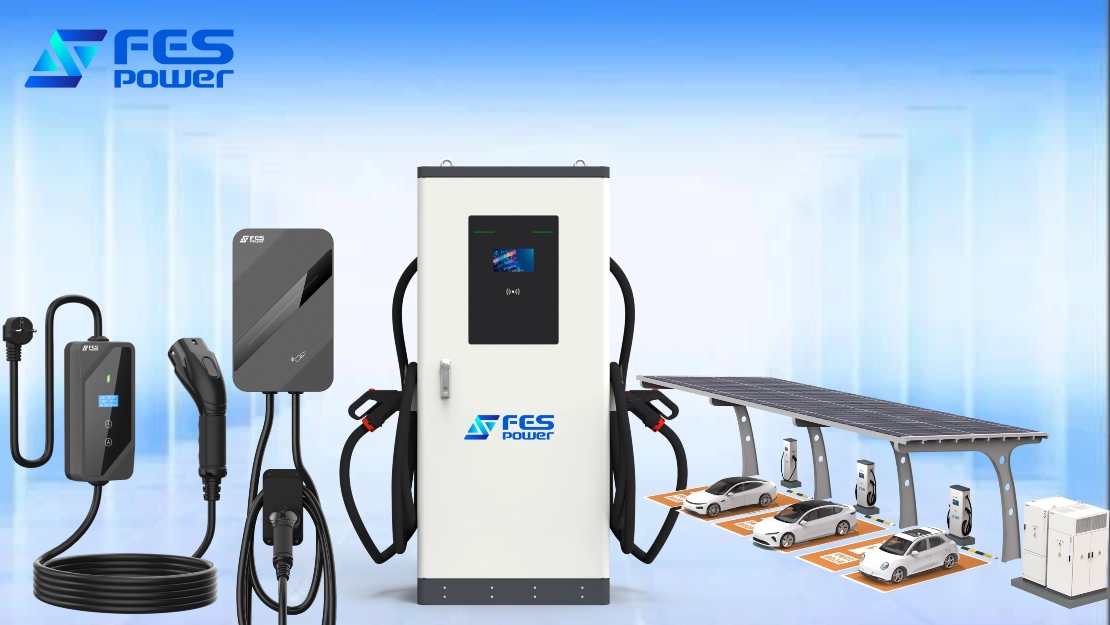
As the EV market continues to evolve, fast charging is no longer defined solely by maximum power. The future lies in smart, flexible, and scalable charging infrastructure—where speed, efficiency, and reliability work together to deliver the best charging experience.



 IPv6 network supported