- Call Us : +86-15060765919
- Mail Us : bella@fespower.cn
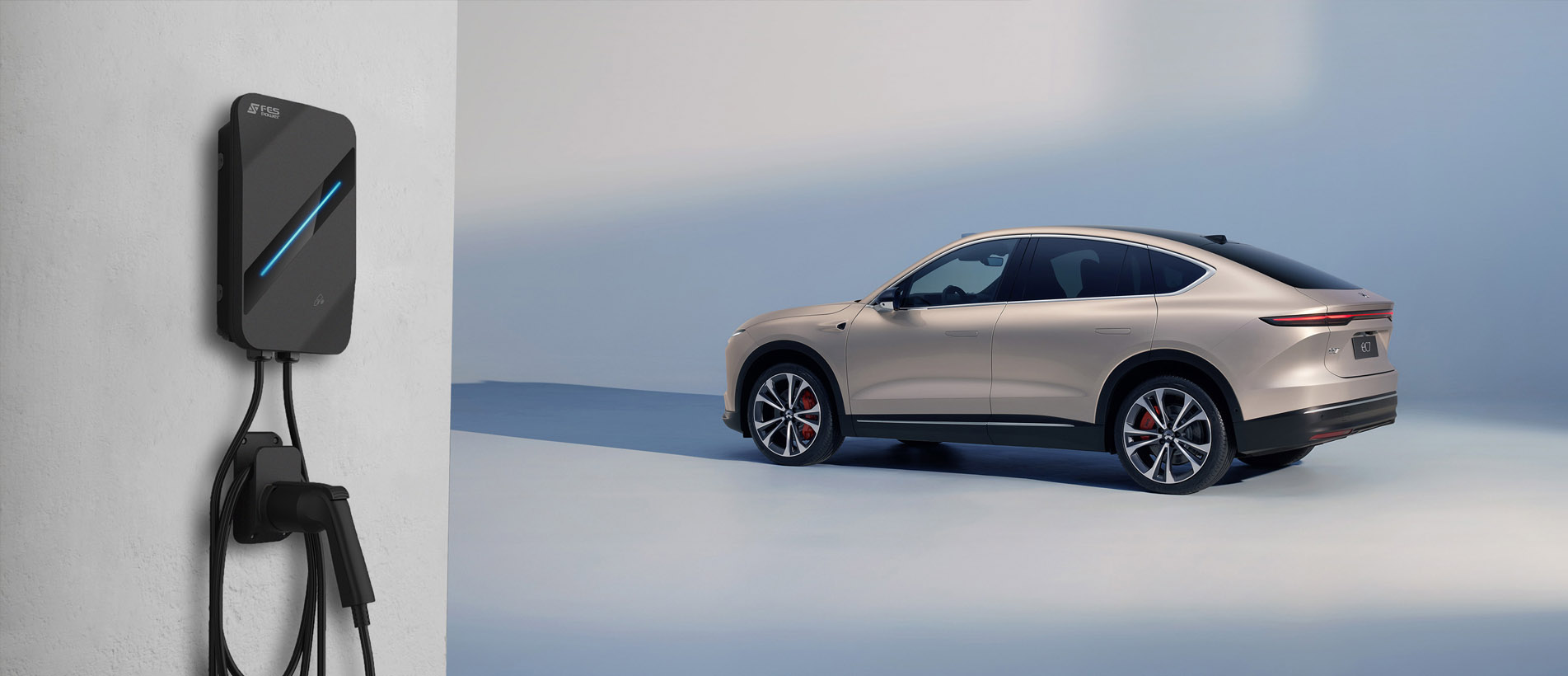
As the global EV market continues to expand, ultra-fast charging infrastructure is becoming a key focus for governments, operators, and fleet owners. However, “ultra-fast EV chargers” can refer to several different system designs, each serving distinct application needs.
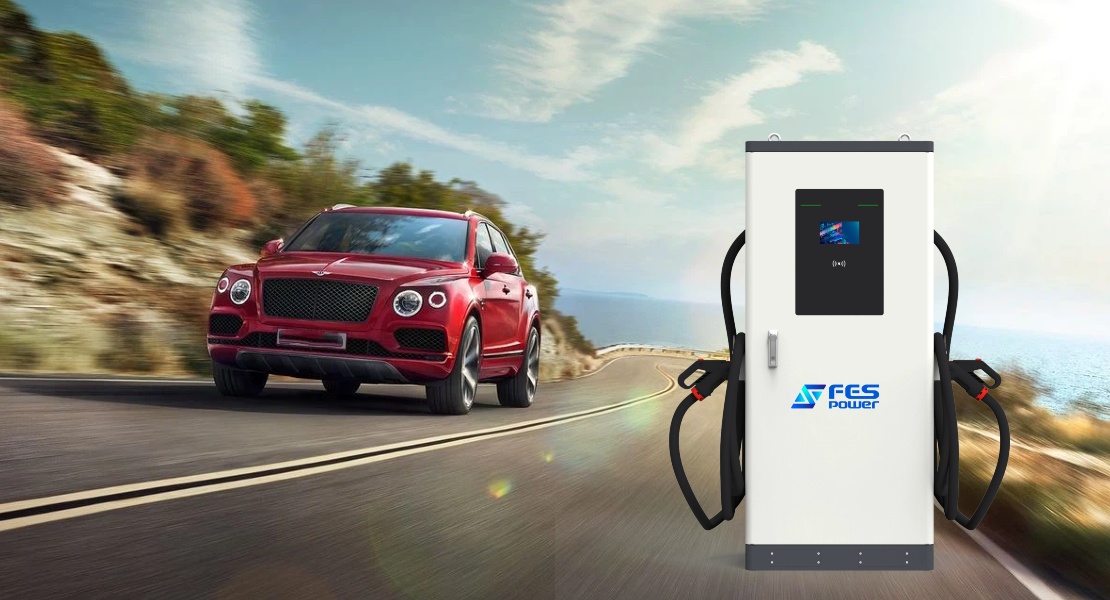
In general, ultra-fast EV chargers are defined as DC charging systems with power levels of 150 kW or higher. In high-demand scenarios such as highways, charging hubs, and fleet depots, total system power can reach 300 kW, 480 kW, or even 960 kW.
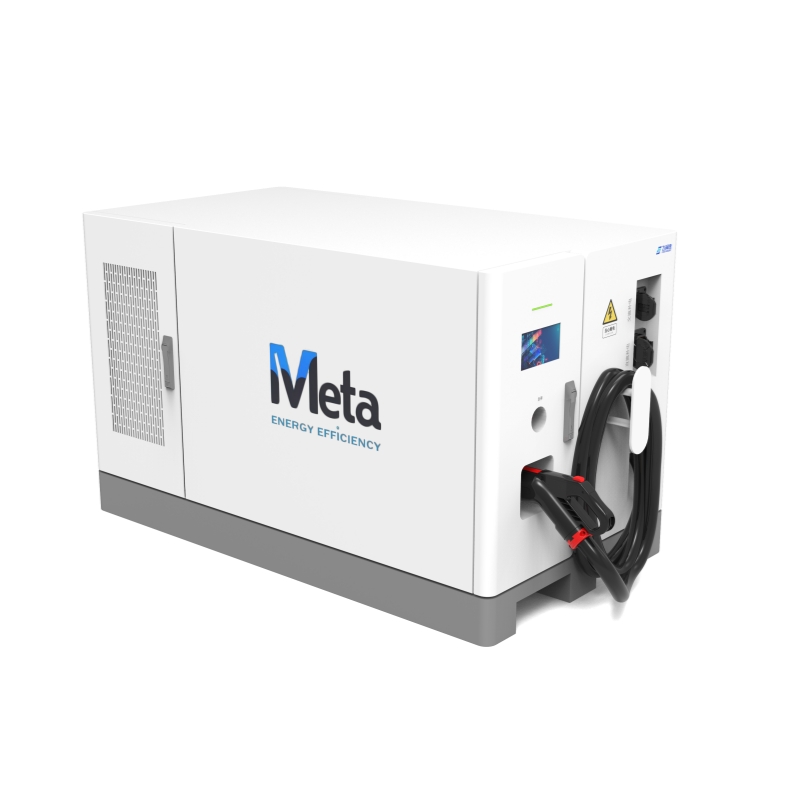
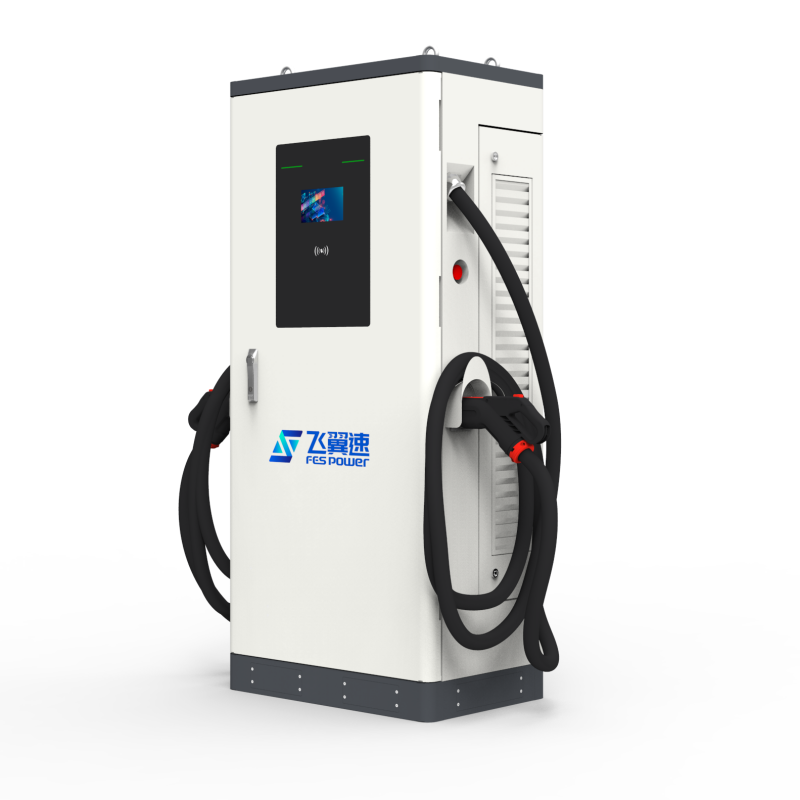
One common solution is the integrated DC fast charger, where power modules and charging connectors are housed in a single cabinet. These chargers are typically used in small to medium-sized sites due to their compact design and relatively simple installation.
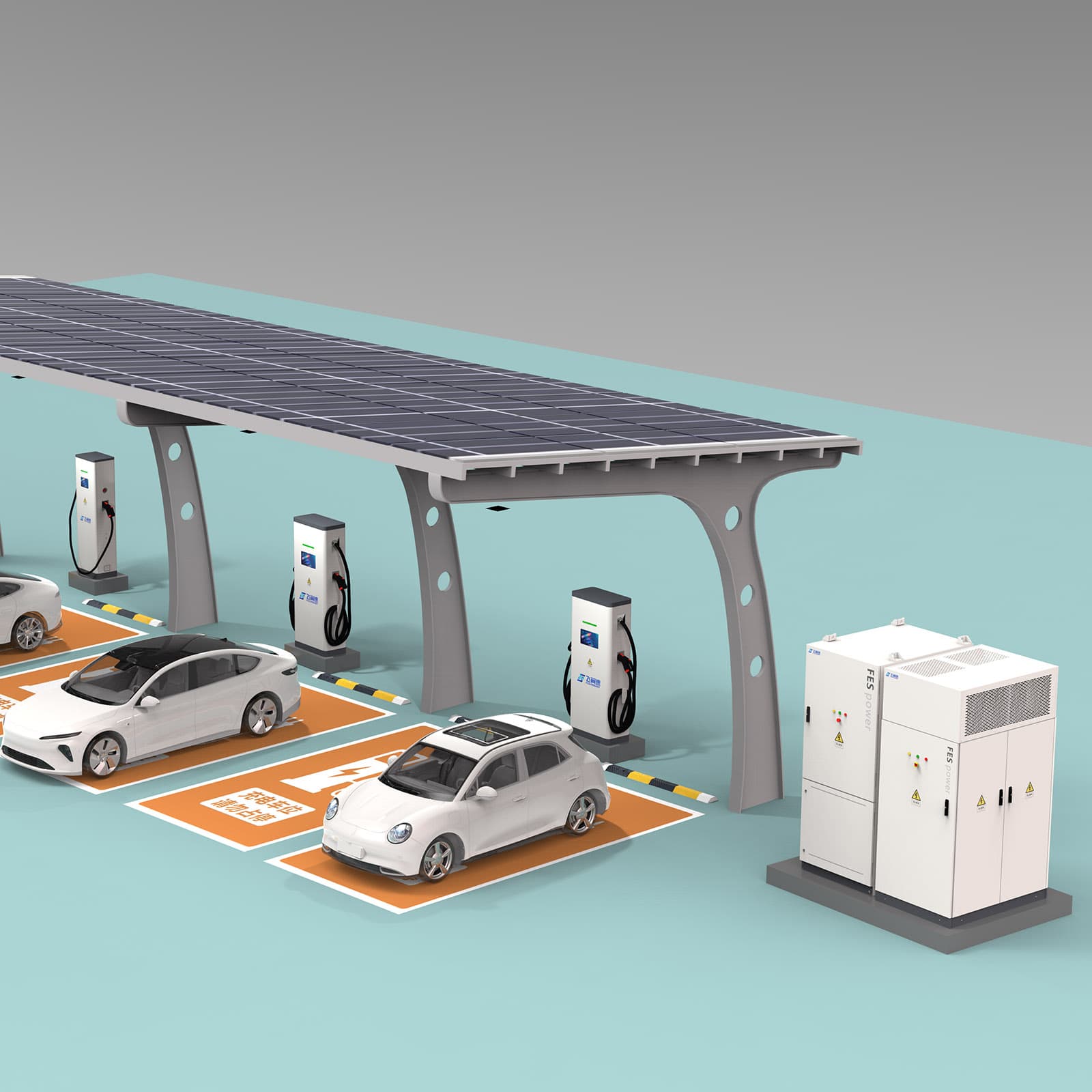
For larger charging sites, split-type DC charging systems have become increasingly popular. In this architecture, a centralized power cabinet supplies energy to multiple charging dispensers, allowing power to be shared efficiently across several vehicles. This approach improves utilization and makes future expansion easier.
Another important concept is flexible or dynamic charging. Rather than assigning fixed power to each charging point, flexible systems distribute power in real time based on vehicle demand. This allows multiple EVs to charge simultaneously while making better use of available capacity.
In high-power environments, centralized ultra-fast charging systems are often deployed. These systems combine modular power cabinets with multiple charging points, supporting high throughput and long-term scalability. To support high current levels, many ultra-fast chargers also use liquid-cooled charging technology, which enables stable high-power output with improved user handling.
Modern solutions, such as FES Power’s high-power DC charging systems, integrate centralized architectures, dynamic power distribution, and wide voltage output ranges to support demanding charging scenarios. These systems are widely applied in highway service areas, urban charging hubs, and fleet operations.
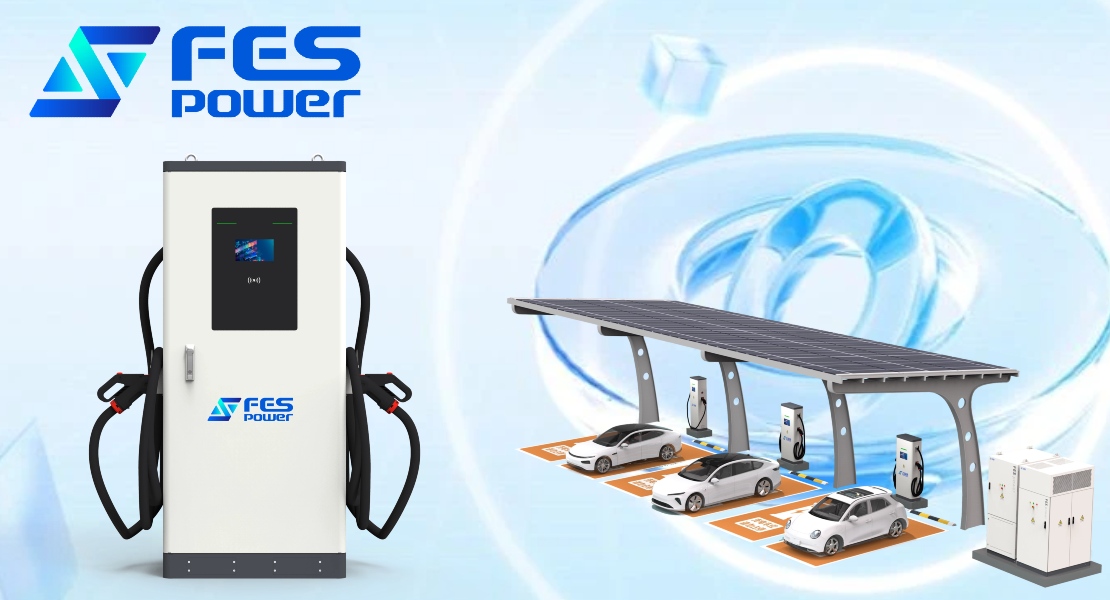
As EV technology evolves, ultra-fast charging is no longer just about higher kW numbers. It is increasingly about smart system design, efficient power management, and future-ready infrastructure—ensuring charging networks can grow alongside the vehicles they serve.



 IPv6 network supported