- Call Us : +86-15060765919
- Mail Us : bella@fespower.cn
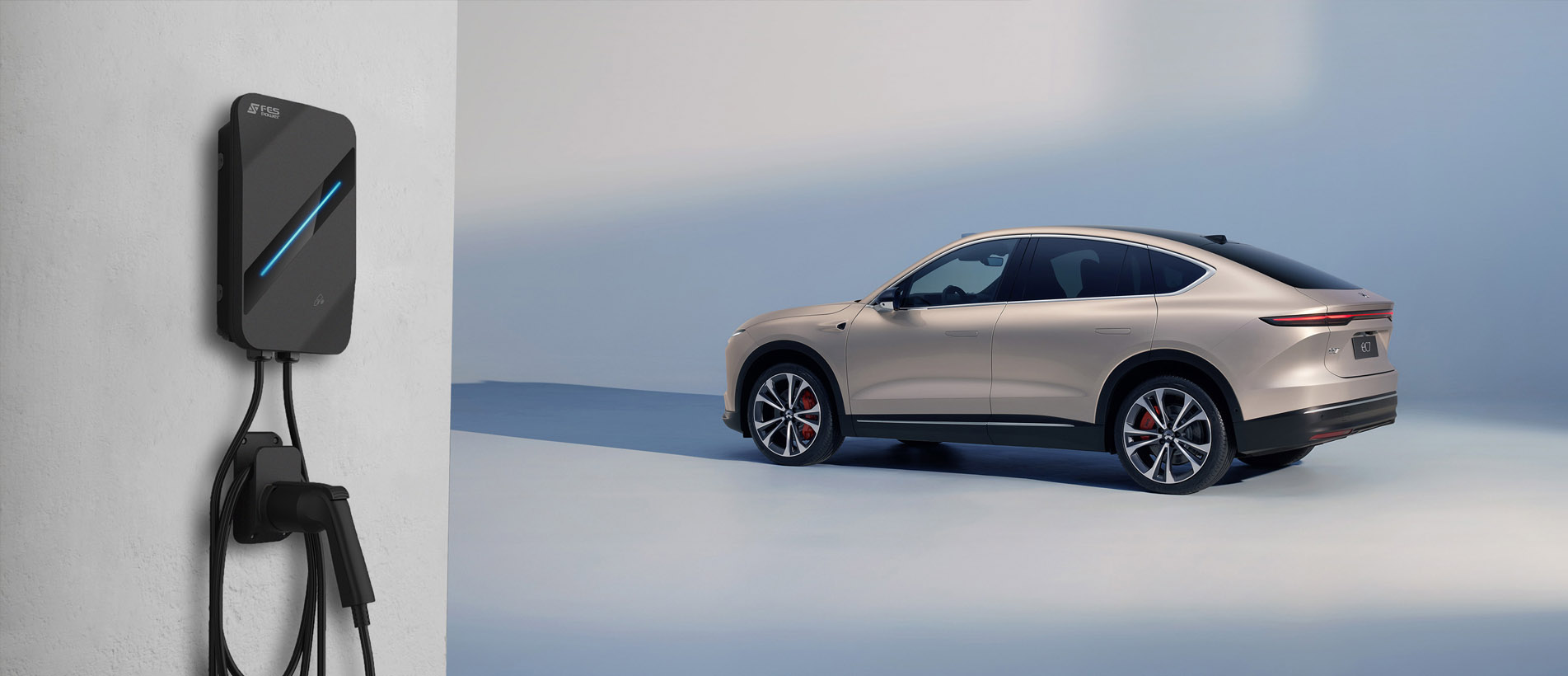
As the global adoption of electric vehicles (EVs) continues to accelerate, the focus of the charging industry is shifting from simply expanding infrastructure to improving intelligence, efficiency, and grid compatibility. In this transition, AI smart charging is emerging as a key driver, reshaping how EV chargers interact with users, vehicles, and power systems.
Unlike traditional charging systems that operate on fixed logic, AI-powered charging solutions leverage data analytics and machine learning to make real-time decisions. By analyzing factors such as user behavior, charging demand, electricity pricing, and grid load, AI enables chargers to dynamically optimize charging strategies. This intelligence improves overall efficiency while reducing operational costs and grid stress.

From the user’s perspective, AI smart charging delivers a more seamless charging experience. Intelligent scheduling allows vehicles to charge during off-peak hours, lowering electricity costs and minimizing wait times. Smart notifications and adaptive charging profiles further enhance convenience, particularly for households and fleet operators managing multiple vehicles.
Beyond user benefits, AI plays a critical role in energy management and grid stability. As EV penetration increases, uncoordinated charging can create significant peak-load pressure. AI smart charging addresses this challenge by balancing loads in real time, distributing power more efficiently, and supporting advanced applications such as Vehicle-to-Grid (V2G) and Vehicle-to-Building (V2B). These capabilities allow EVs to function as flexible energy assets rather than passive power consumers, supporting the integration of renewable energy sources.
The evolution of EV chargers reflects this broader shift. Early charging equipment focused primarily on power delivery. The next phase introduced connectivity and basic smart functions through IoT platforms. Today, the industry is entering an AI-driven stage, where chargers incorporate predictive maintenance, adaptive power allocation, and autonomous optimization. EV chargers are increasingly becoming software-defined energy platforms rather than standalone hardware devices.
For operators and fleet managers, AI smart charging offers clear commercial advantages. Data-driven insights improve asset utilization, predictive maintenance reduces downtime, and intelligent fleet charging optimizes operational schedules. As competition intensifies, AI capability is rapidly becoming a core differentiator in charging solutions.
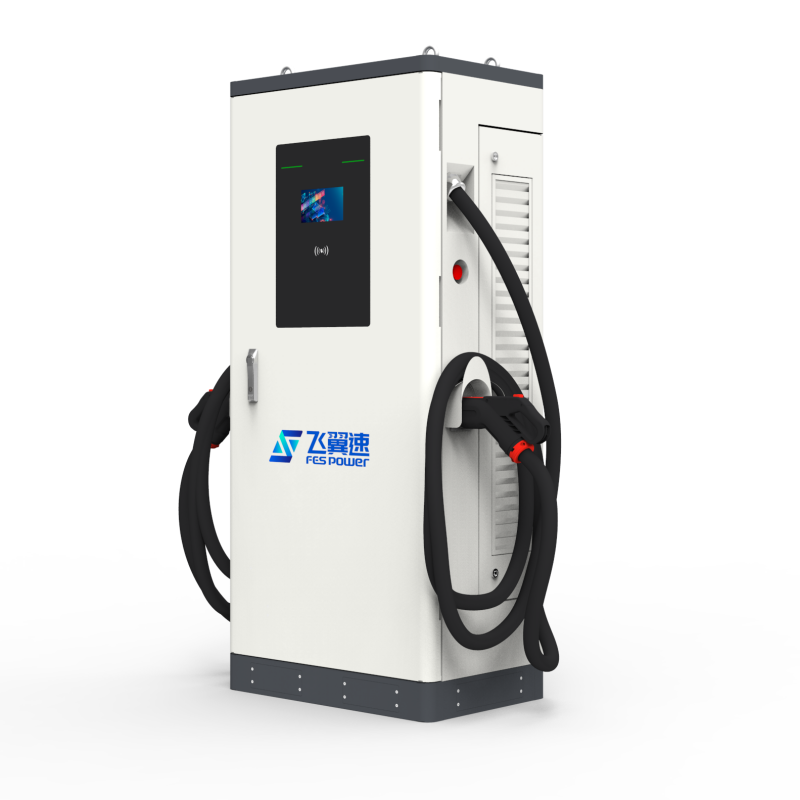
FES Power is actively aligned with this industry transition. The company provides AC and DC EV chargers designed for residential, commercial, and fleet applications, with a strong focus on flexibility and future-ready architecture. FES Power supports small-batch customization, allowing partners to adapt power levels, communication protocols, and functional features to meet specific market or project requirements. This customization capability enables seamless integration with smart charging platforms and AI-based energy management systems.
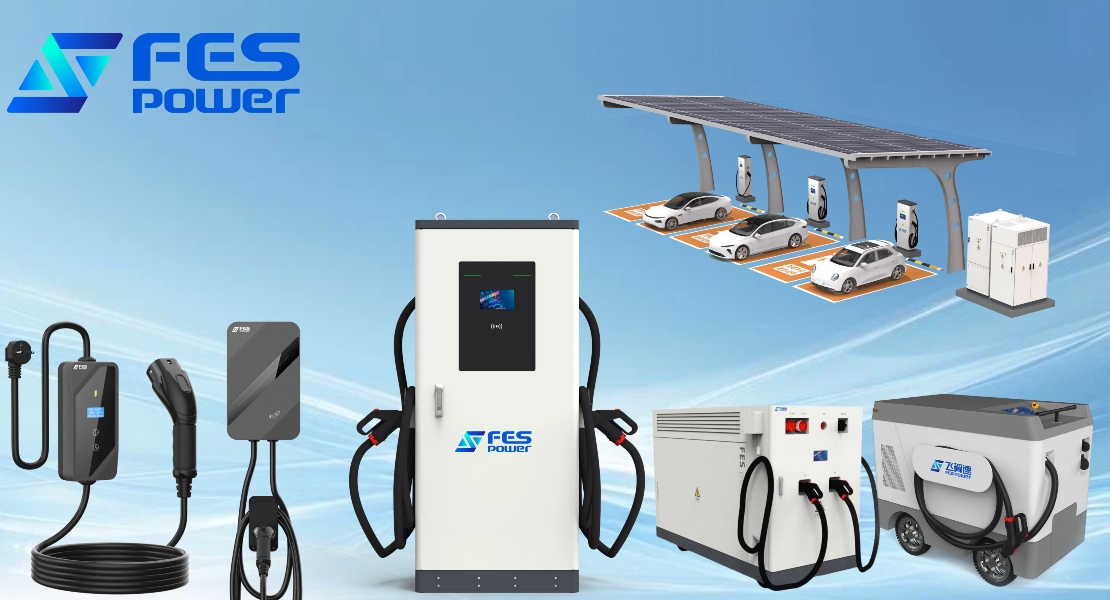
Looking ahead, industry expectations for AI smart charging continue to rise. Stakeholders anticipate greater interoperability between vehicles, chargers, and grids, enhanced cybersecurity, and deeper integration with smart cities and energy storage systems. As charging power increases and use cases expand to include heavy-duty and commercial EVs, intelligent control will be essential.
AI smart charging is no longer a conceptual innovation—it is becoming a foundational element of next-generation EV charging infrastructure, supporting a more efficient, resilient, and sustainable mobility ecosystem.



 IPv6 network supported