- Call Us : +86-15060765919
- Mail Us : bella@fespower.cn
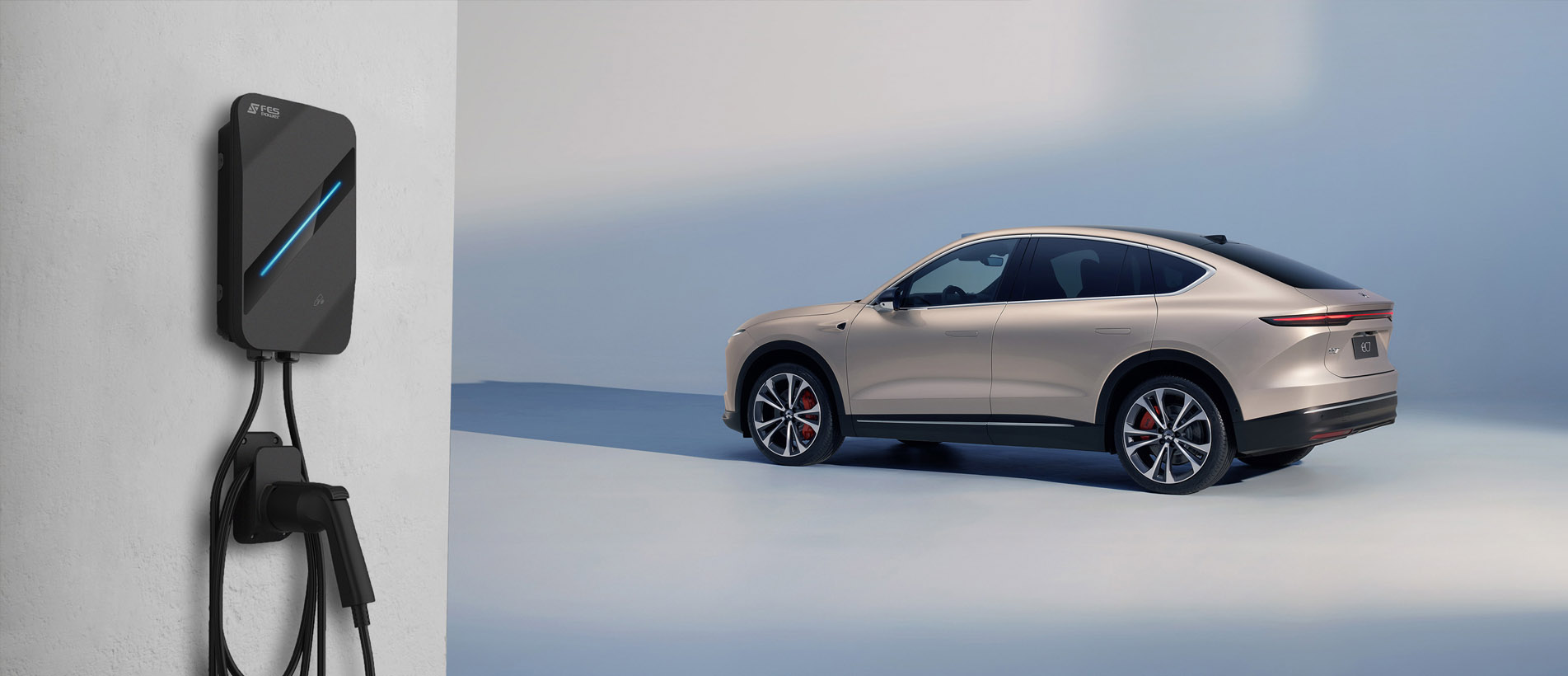
With the rapid growth of electric vehicles worldwide, understanding EV chargers has become essential for homeowners, businesses, and fleet operators alike. One of the most common questions is simple: how many types of EV chargers are there, and what are the differences between them?
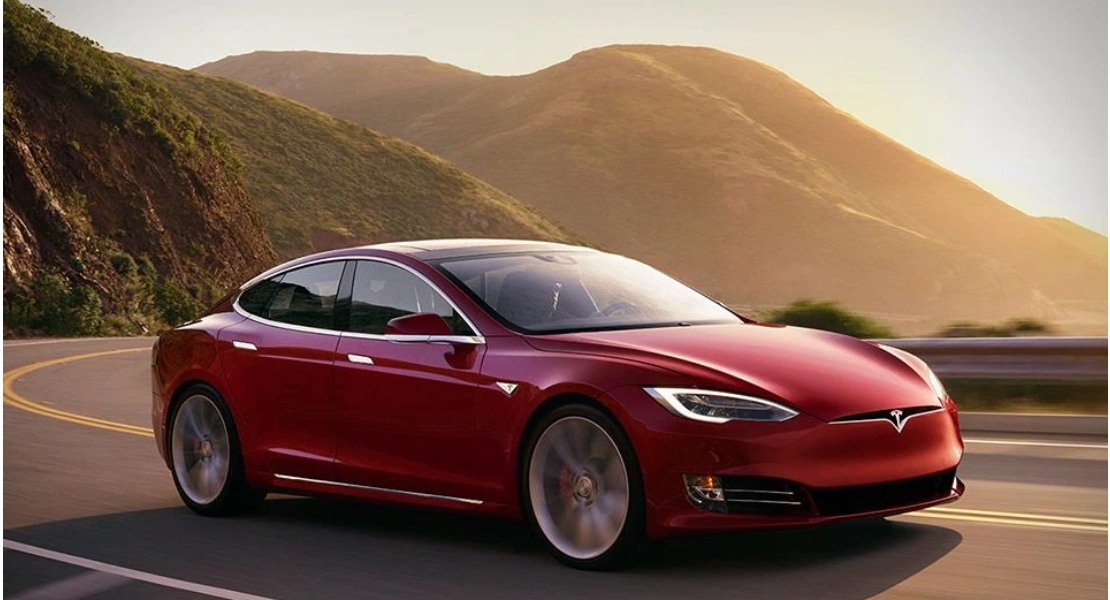
From a practical perspective, EV chargers are mainly classified by charging method, installation type, connector standard, and application scenario. Among these, the most important distinction is between AC chargers and DC chargers.
AC EV chargers are widely used for daily charging. They are cost-effective, easy to install, and ideal for locations where vehicles are parked for longer periods, such as homes, offices, hotels, and commercial parking areas.
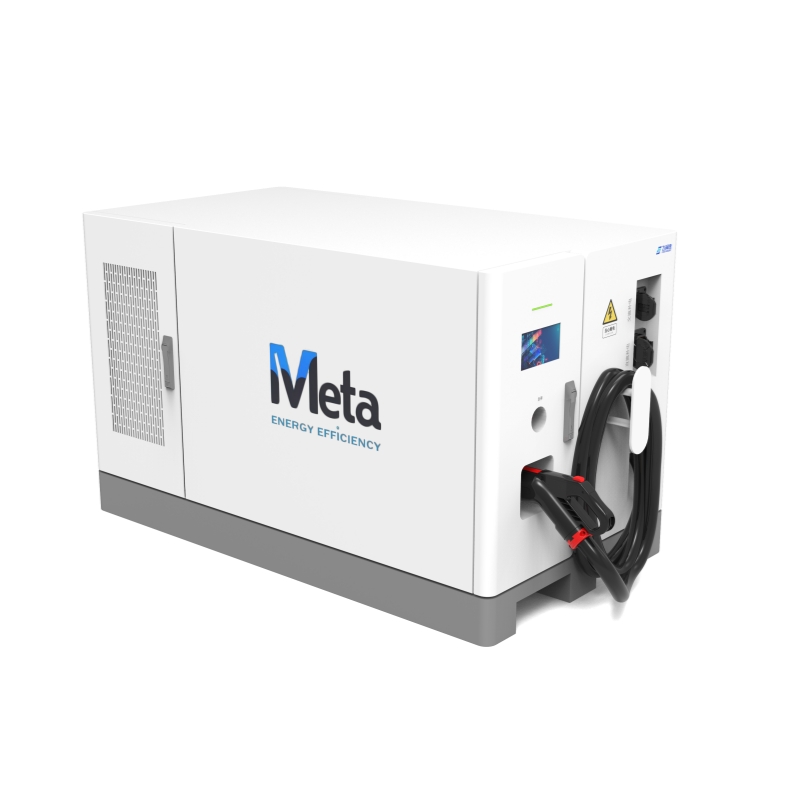
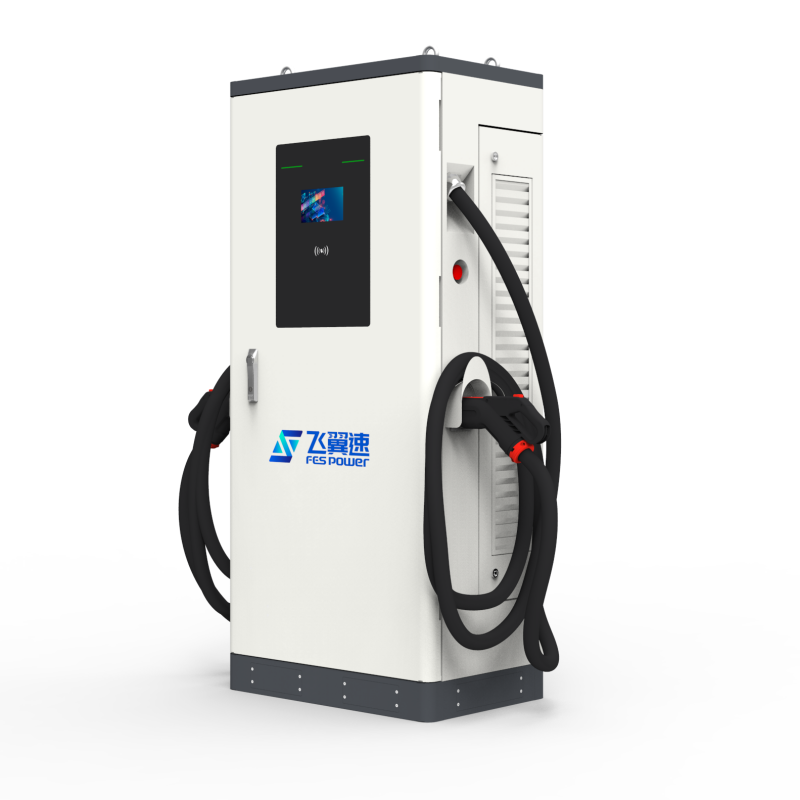
DC EV chargers, on the other hand, provide fast charging by delivering direct current straight to the vehicle battery. These chargers are commonly deployed in public fast-charging stations, highway service areas, and fleet or depot environments where charging speed is critical.
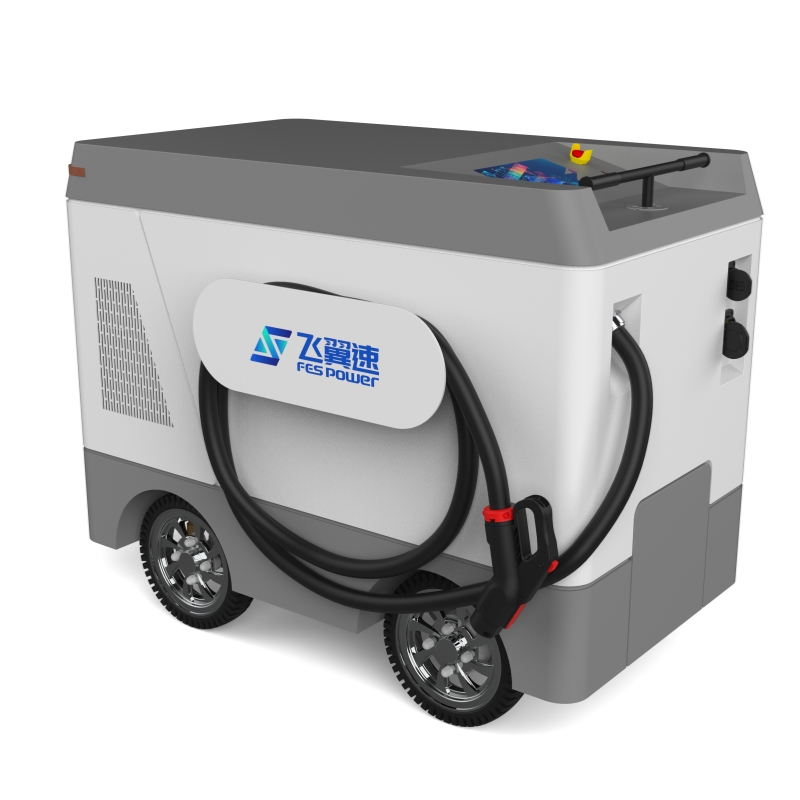
EV chargers can also be categorized by installation type, including wall-mounted chargers, floor-standing chargers, and portable or mobile chargers, each designed to suit different space and usage requirements. In addition, connector standards such as Type 2, CCS2, CHAdeMO, and GB/T vary by region, making compatibility an important consideration when selecting charging equipment.
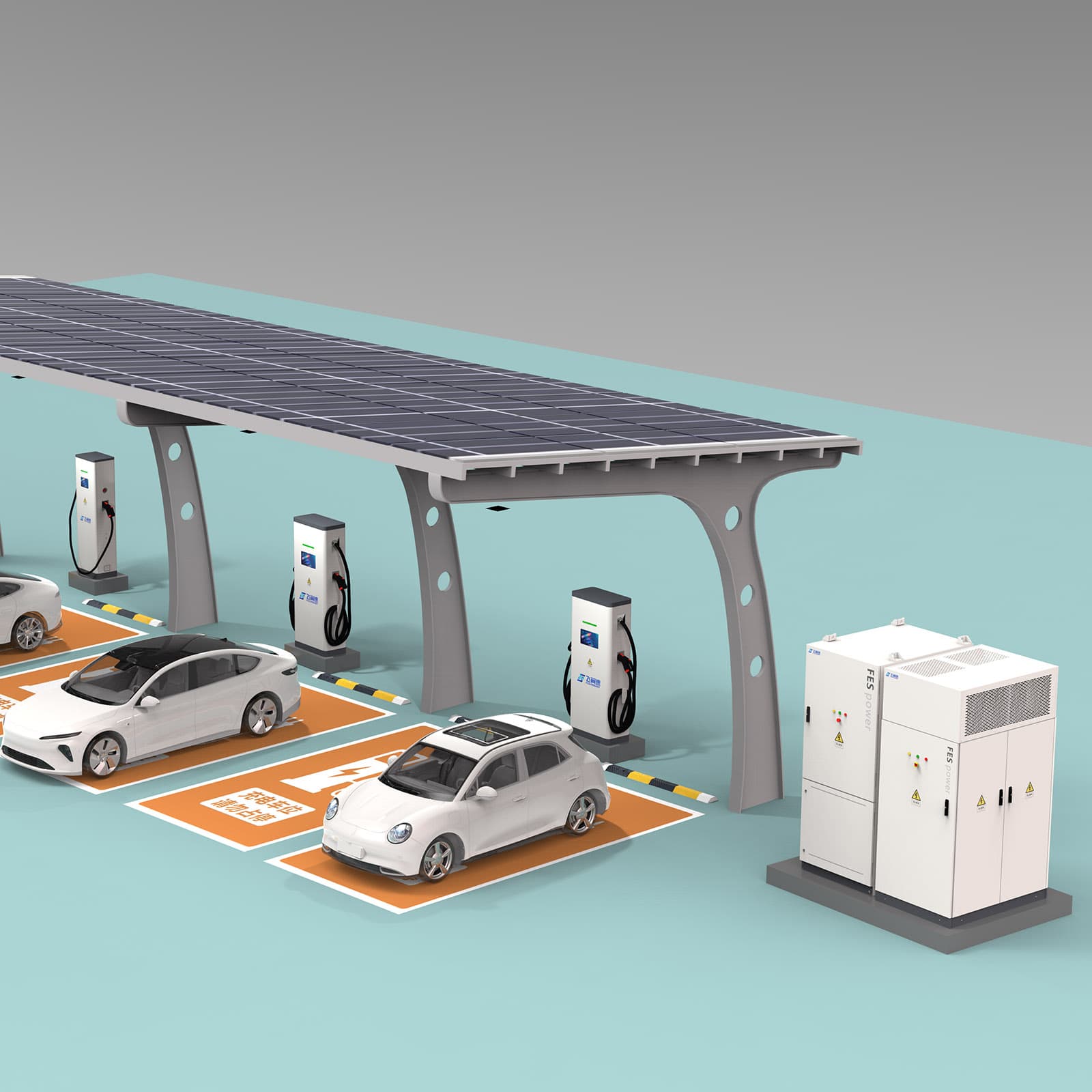
FES Power provides a comprehensive range of EV charging solutions, covering both AC and DC chargers for residential, commercial, and fleet applications. Our product portfolio includes smart AC chargers for daily use as well as customizable DC fast chargers supporting multiple power levels, CCS2 connectors, and OCPP compatibility. Designed for reliability, scalability, and long-term operation, FES Power chargers help customers build efficient and future-ready EV charging infrastructure.
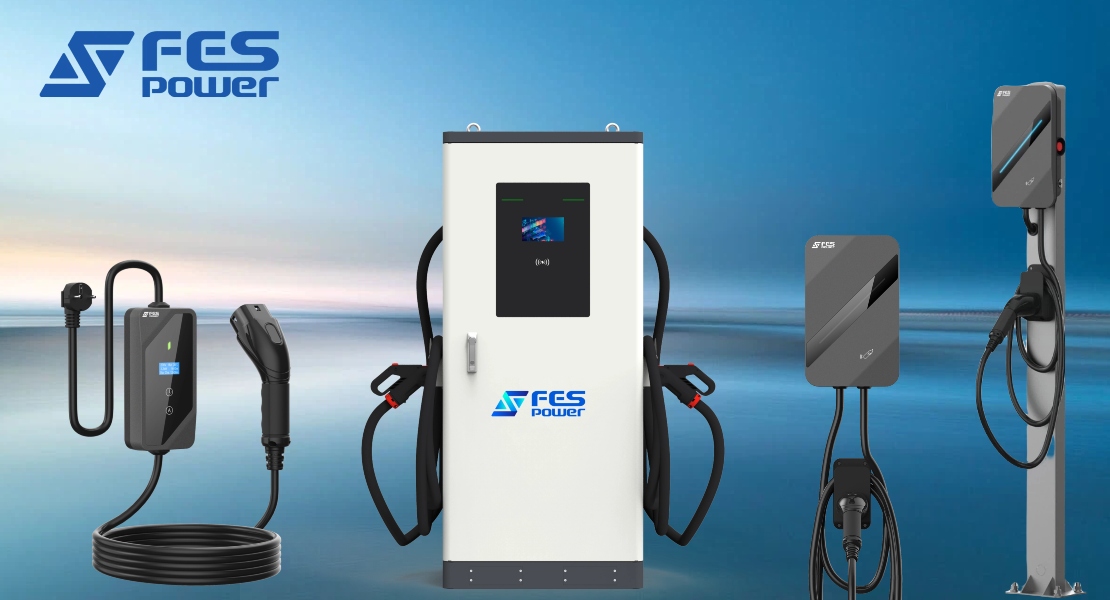
In summary, while EV chargers come in many forms, the right choice depends on charging speed requirements, installation environment, and usage scenarios. By understanding the main charger categories, customers can make informed decisions and plan their EV charging systems with greater confidence.



 IPv6 network supported