



Mobile EV Charging Is Reshaping Fleet Electrification
As delivery fleets accelerate their transition to electric vehicles, mobile EV charging, delivery fleet charging, portable EV chargers, fleet charging solutions, battery energy storage systems (BESS), DC fast charging, mobile battery storage, temporary EV charging, commercial EV charging, and off-grid EV charging are becoming some of the most searched and discussed topics across the transportation industry. Logistics operators are under increasing pressure to reduce emissions while maintaining operational efficiency. However, limited charging infrastructure and lengthy grid connection processes continue to slow fleet electrification. Mobile EV charging offers a practical, flexible, and scalable solution that allows fleet operators to keep vehicles on the road without waiting months for permanent charging stations.
The Growing Challenge of Charging Delivery Fleets
The rapid expansion of e-commerce has significantly increased the number of electric delivery vehicles operating in urban areas. Companies managing last-mile logistics, courier services, and commercial transportation require charging solutions that match demanding operating schedules.
Traditional fixed charging stations often present several challenges:
- High installation costs
- Long utility approval timelines
- Limited charging locations
- Difficult expansion as fleets grow
- Insufficient power capacity during peak hours
For fleet operators, vehicle downtime directly affects productivity and profitability. Waiting for infrastructure upgrades is not always a practical option.
Why Mobile EV Charging Makes More Sense
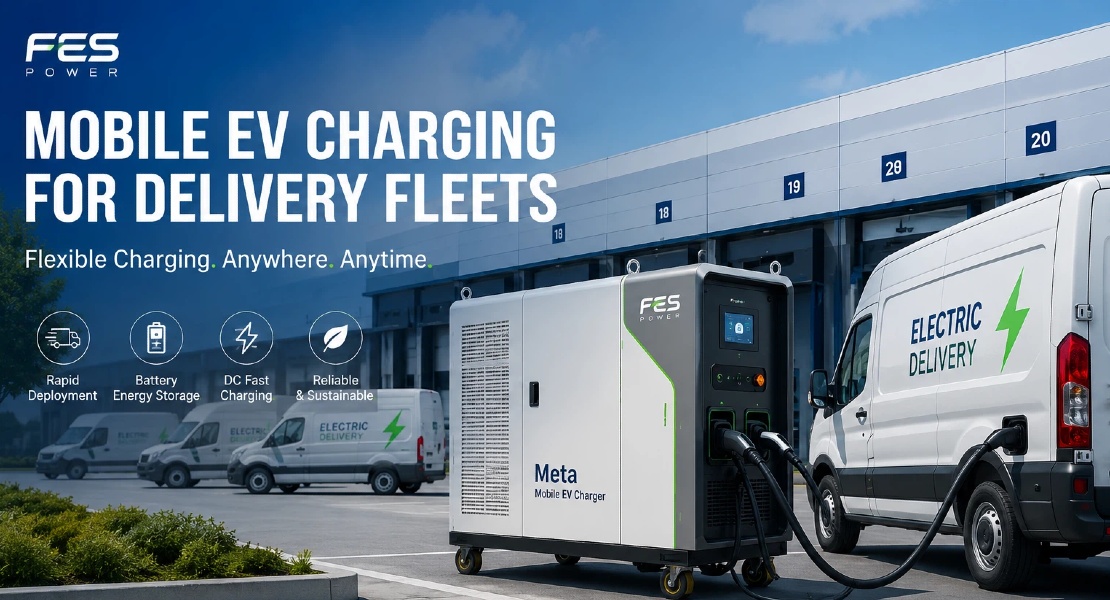
Unlike conventional charging stations, mobile EV charging systems can be deployed exactly where charging is needed.
Whether supporting a logistics warehouse, temporary distribution center, industrial park, construction site, airport, or emergency charging operation, mobile charging provides immediate charging capability without complex civil engineering or extensive electrical upgrades.
Key advantages include:
- Rapid deployment
- Flexible charging locations
- Reduced infrastructure investment
- Support for temporary or seasonal operations
- Improved fleet utilization
- Backup charging during charger maintenance or grid outages
This flexibility enables fleet operators to expand electric vehicle operations with significantly lower risk and faster implementation.
Battery Storage Makes Charging Even More Reliable
Modern mobile charging solutions increasingly integrate Battery Energy Storage Systems (BESS) with DC fast chargers.
By combining battery storage and intelligent power management, fleets can:
- Reduce peak electricity demand
- Minimize grid dependency
- Deploy charging in locations without sufficient electrical capacity
- Support renewable energy integration
- Improve charging reliability during peak operating hours
Battery-supported charging is becoming an important strategy for logistics companies looking to balance operating costs with sustainable growth.
Supporting Fleet Operations with Flexible Charging Solutions
As commercial EV adoption continues to grow, fleet managers require charging equipment that is reliable, portable, and easy to deploy.
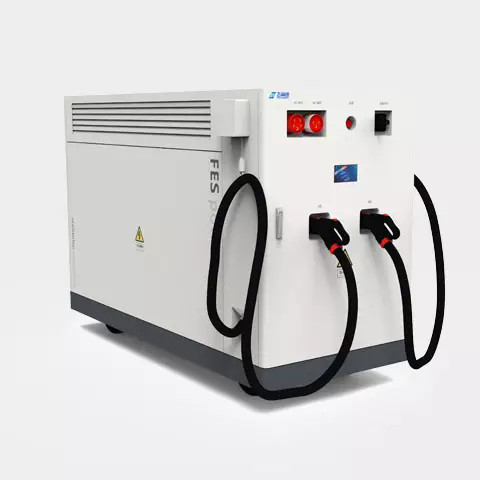
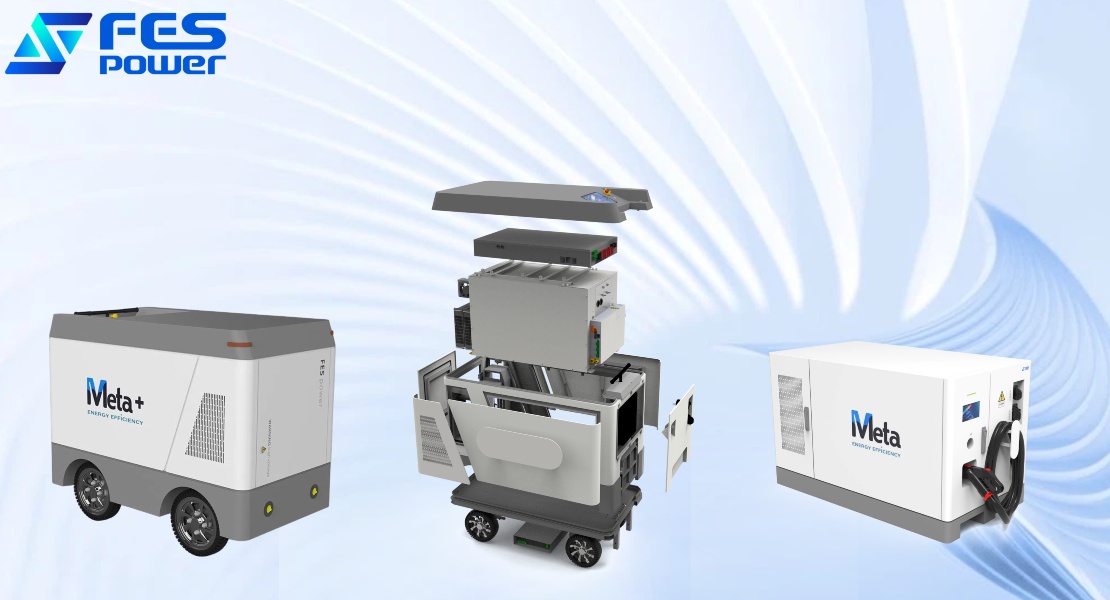
FES Power has developed a range of mobile charging and energy storage solutions designed for real-world fleet applications. Its Meta Mobile EV Charging Series integrates battery storage with DC fast charging, enabling rapid deployment without extensive infrastructure upgrades.
Available in multiple power configurations, the system is suitable for logistics centers, commercial fleets, emergency roadside assistance, temporary charging sites, industrial facilities, and remote locations. With support for intelligent charging management and flexible deployment, it helps operators maintain high vehicle availability while reducing infrastructure investment.
Rather than replacing permanent charging stations, mobile charging complements existing infrastructure by providing additional charging capacity wherever operational demand arises.
The Future of Delivery Fleet Charging
The future of fleet electrification depends not only on faster chargers but also on smarter charging strategies.
As delivery networks become larger and more dynamic, charging solutions must offer the same level of flexibility as the fleets they support. Mobile EV charging, supported by battery energy storage and intelligent power management, is expected to become a key component of commercial fleet operations worldwide.
Businesses that adopt flexible charging solutions today will be better positioned to expand their electric fleets, reduce operating costs, and respond quickly to changing transportation demands.
For logistics companies seeking a practical path toward electrification, mobile EV charging is no longer just an alternative—it is becoming an essential part of modern fleet operations.