


As electric vehicle adoption continues to grow worldwide, summer brings new challenges for both EV drivers and charging infrastructure. High ambient temperatures can significantly influence charging speed, battery health, and charger reliability. Understanding these impacts is essential for operators, businesses, and EV owners looking to maintain safe and efficient charging throughout the hottest months of the year.
Why Does Heat Affect EV Charging?
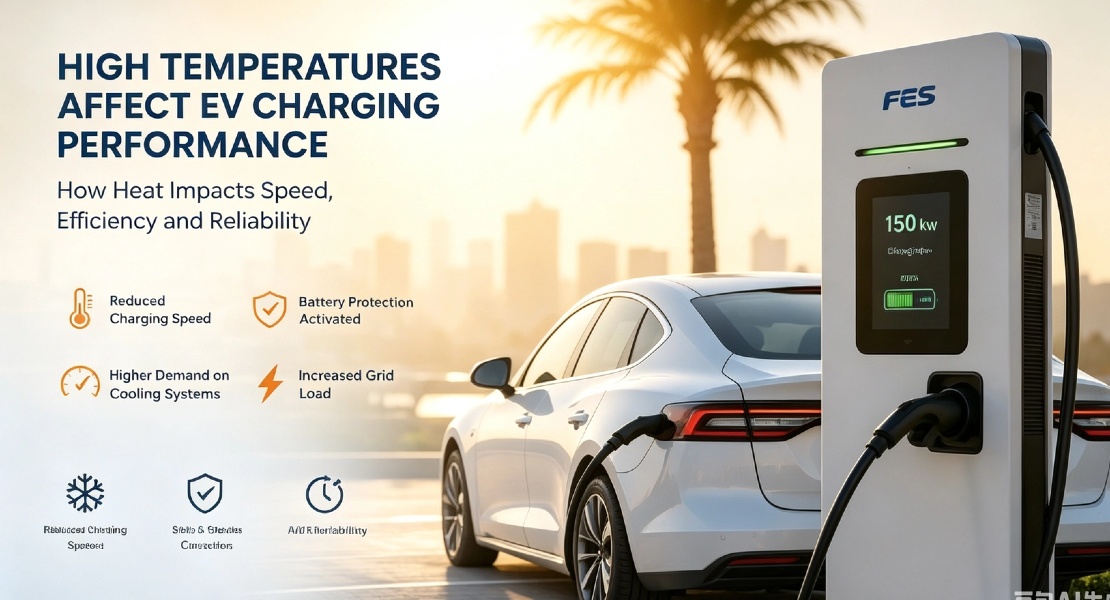
Lithium-ion batteries perform best within a moderate temperature range, typically between 20°C and 30°C (68°F–86°F). When temperatures rise well above this range, the battery management system (BMS) automatically activates protective measures to prevent overheating and preserve battery lifespan.
As a result, drivers may experience:
- Reduced DC fast charging speed
- Longer charging sessions
- Temporary power limitations
- Increased cooling system operation
- Lower charging efficiency
These protective mechanisms are normal and help ensure long-term battery safety.
Common Summer Challenges for EV Charging
1. Charging Speed May Decrease
Many EV owners expect ultra-fast charging at all times, but during extreme heat, the vehicle’s BMS may limit charging power to reduce battery temperature. Even a 150kW or 240kW DC charger may not deliver its maximum output if the vehicle itself restricts charging.
This explains why charging sessions can take longer on particularly hot afternoons.
2. Higher Demand on Cooling Systems
Both EV batteries and DC fast chargers generate considerable heat during high-power charging. In summer, cooling systems must work harder to dissipate this heat, making efficient thermal management critical for maintaining stable performance.
Advanced cooling technologies help ensure continuous operation even during extended charging sessions.
3. Increased Grid Load
Summer often brings higher electricity demand due to widespread air conditioning usage. Combined with the growing number of EVs, this places additional pressure on local power grids, making intelligent power management increasingly important for commercial charging stations.
How Modern Charging Infrastructure Addresses High Temperatures
Today’s EV charging technology is designed with thermal protection and intelligent energy management in mind.
Intelligent Temperature Monitoring
Modern DC chargers continuously monitor internal temperatures, adjusting output automatically when necessary to maintain safe operation while minimizing interruptions.
Smart Power Distribution
Dynamic power allocation enables charging systems to distribute available power efficiently across multiple charging points, reducing stress on electrical infrastructure during peak demand.
Reliable Component Design
Industrial-grade power modules, high-quality connectors, and optimized ventilation systems improve equipment reliability under demanding environmental conditions.
Best Practices for Summer EV Charging
To improve charging performance during hot weather, operators and drivers can follow several practical recommendations:
- Charge during cooler morning or evening hours when possible.
- Avoid consecutive high-power charging sessions without allowing equipment to cool.
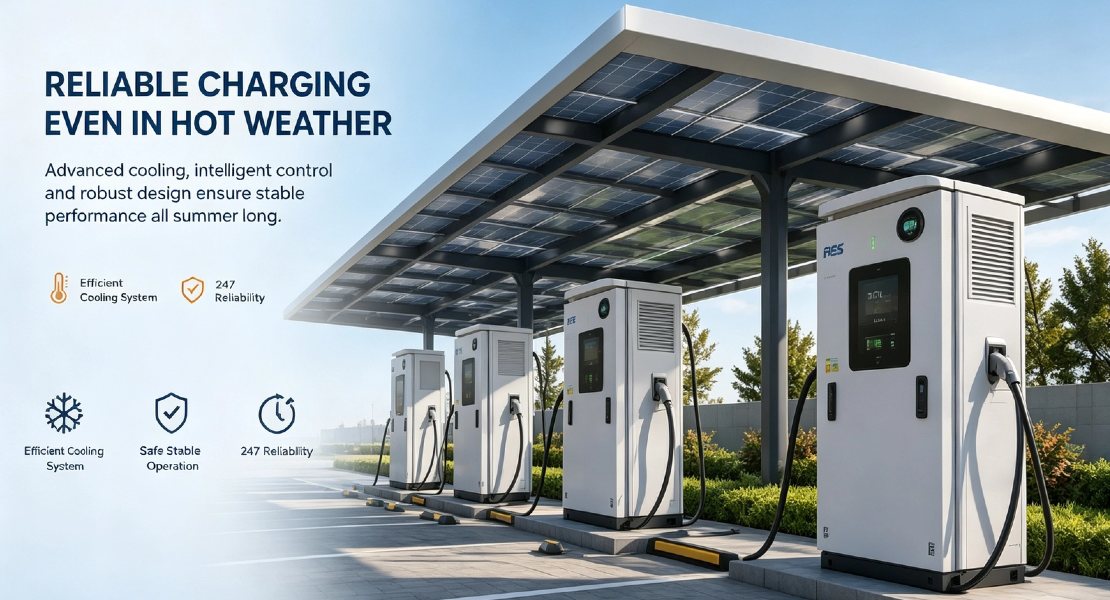
- Install chargers in shaded or covered locations to reduce direct sunlight exposure.
- Perform regular maintenance on cooling systems and electrical components.
- Use intelligent energy management systems to balance charging loads efficiently.
These simple practices can help improve charging efficiency while extending equipment lifespan.
The Importance of Reliable DC Fast Charging Solutions
As EV infrastructure expands across regions with hot climates—including Southeast Asia, the Middle East, and Southern Europe—charging equipment must be designed to operate reliably under challenging environmental conditions.
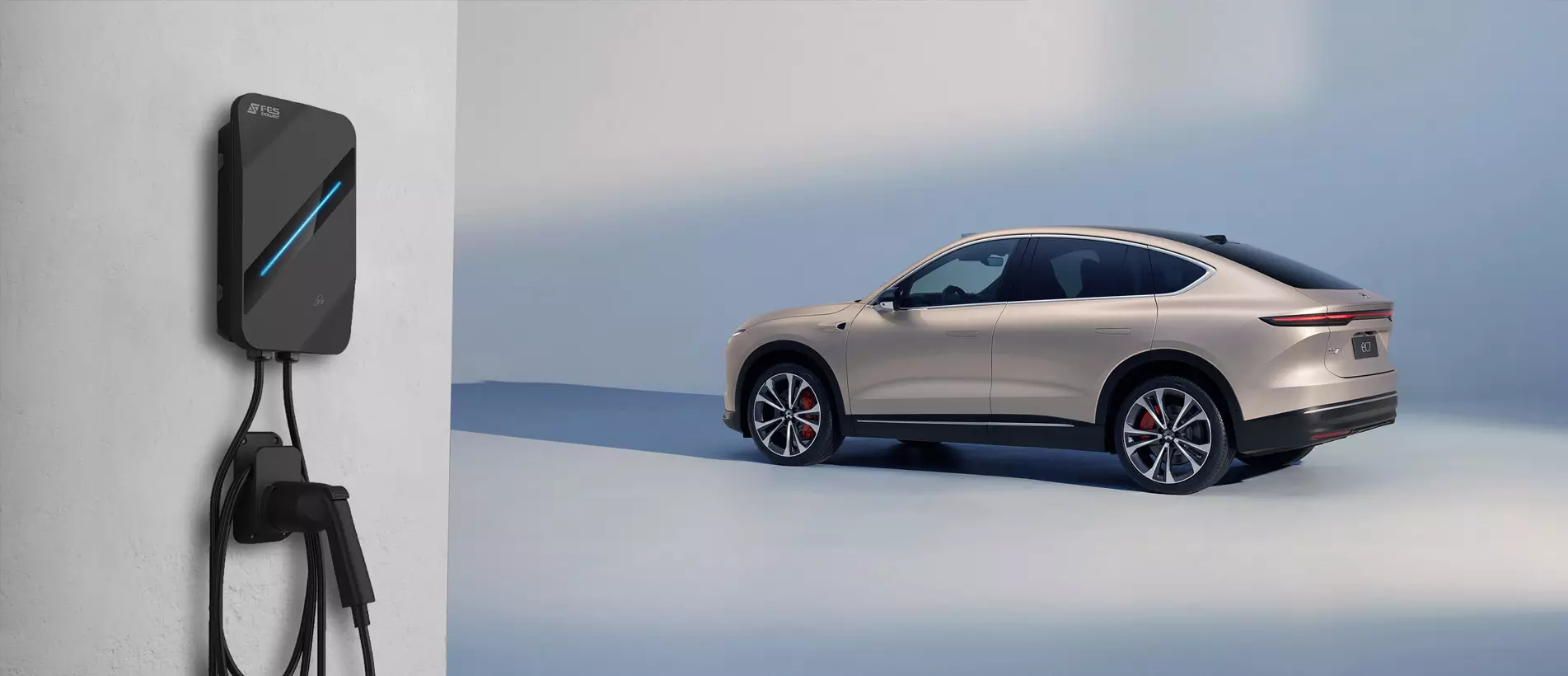
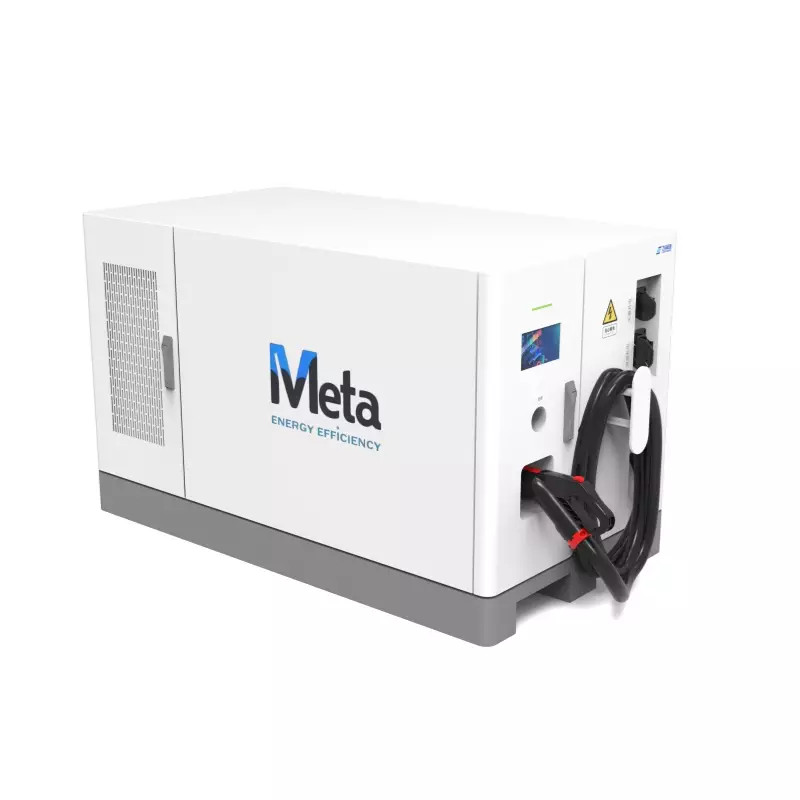
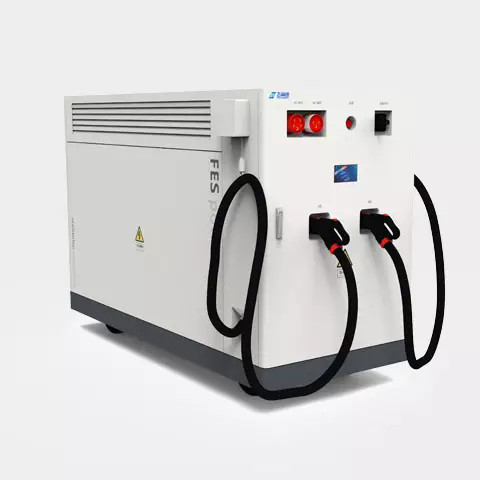
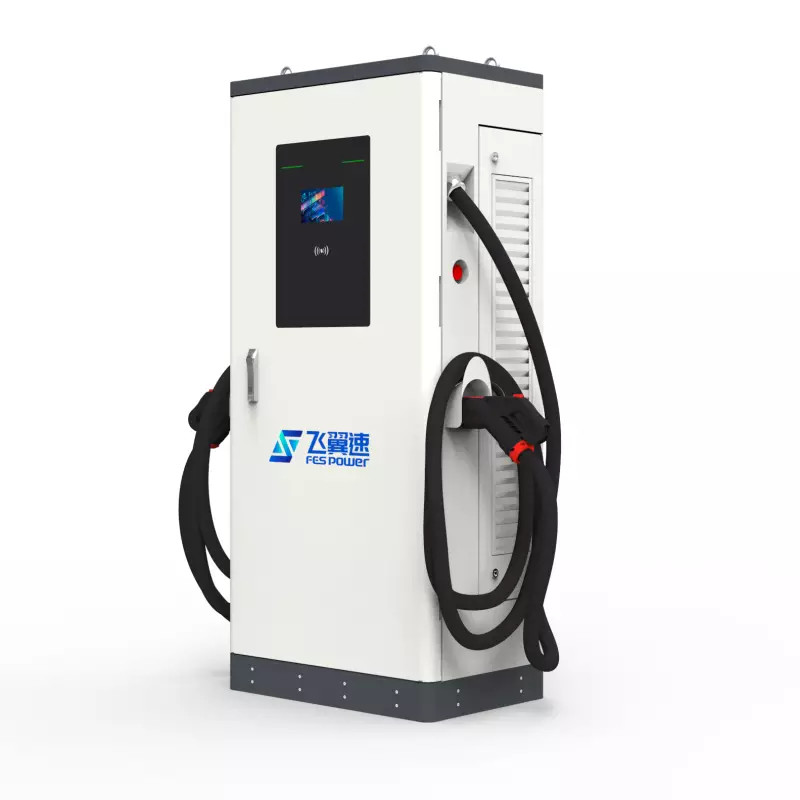
At FES Power, we develop intelligent DC fast charging solutions engineered for stable performance in demanding environments. Our product portfolio includes 30kW to 960kW DC fast chargers, mobile EV charging solutions, and integrated solar-storage-charging systems, all featuring advanced thermal management, intelligent power distribution, and reliable industrial-grade components to support safe and efficient charging throughout the year.
Looking Ahead
High temperatures are an inevitable part of EV operation in many regions, but they don’t have to compromise charging reliability. With advanced thermal management, intelligent control systems, and properly designed charging infrastructure, businesses and charging operators can continue delivering fast, safe, and dependable charging even during the hottest summer months.
As EV adoption accelerates worldwide, investing in high-performance charging technology will play an increasingly important role in ensuring a seamless charging experience for every driver.