

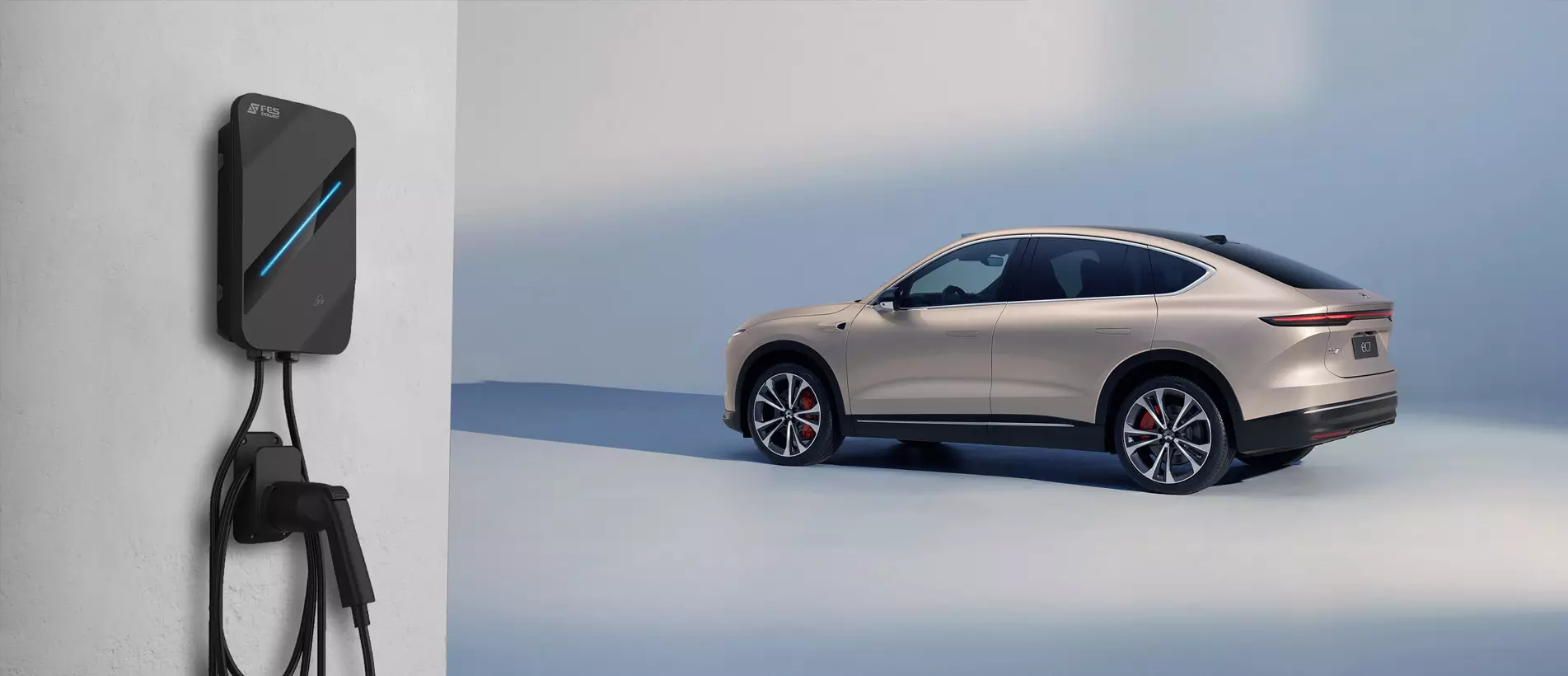
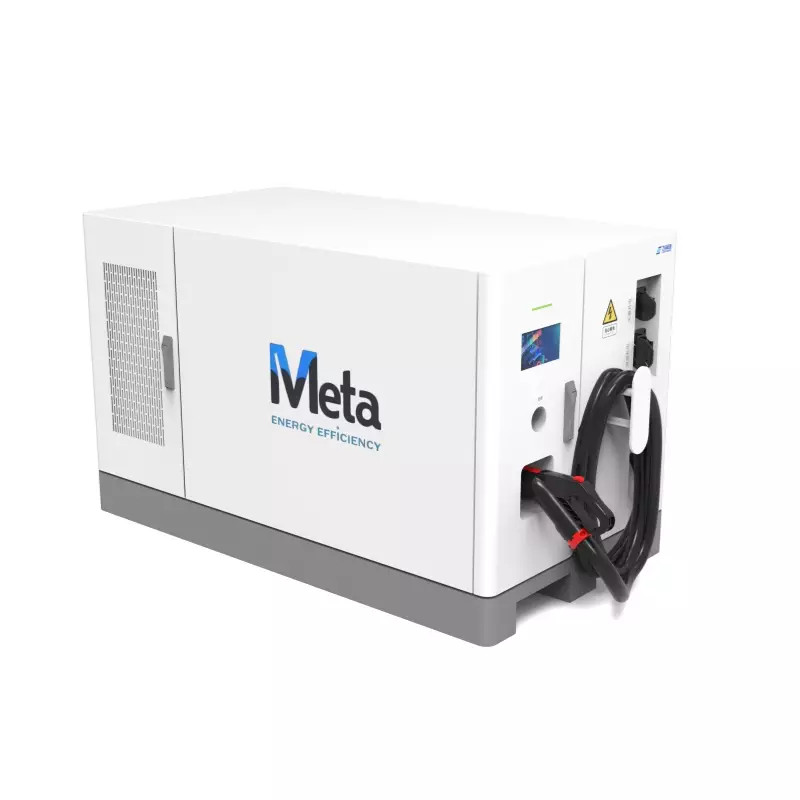
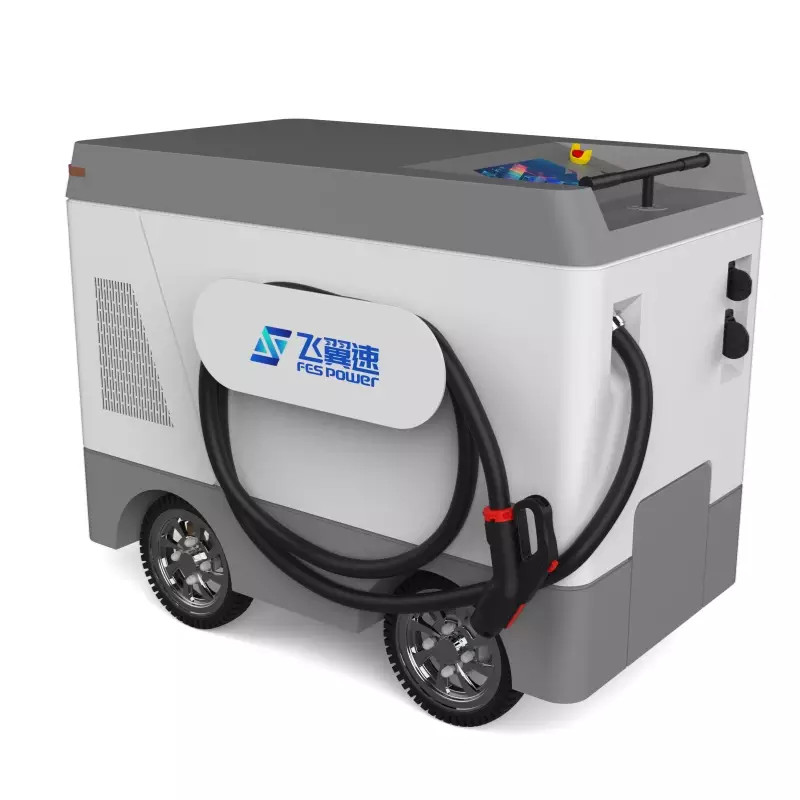
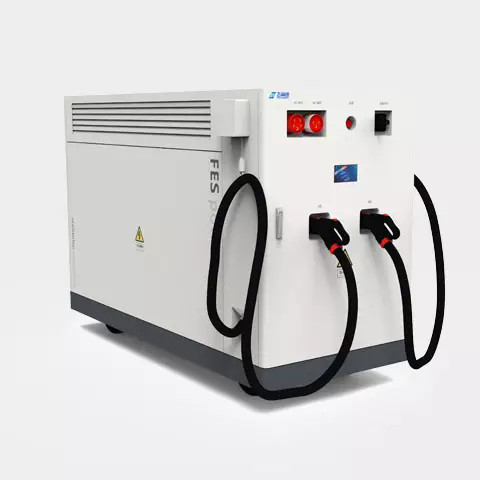
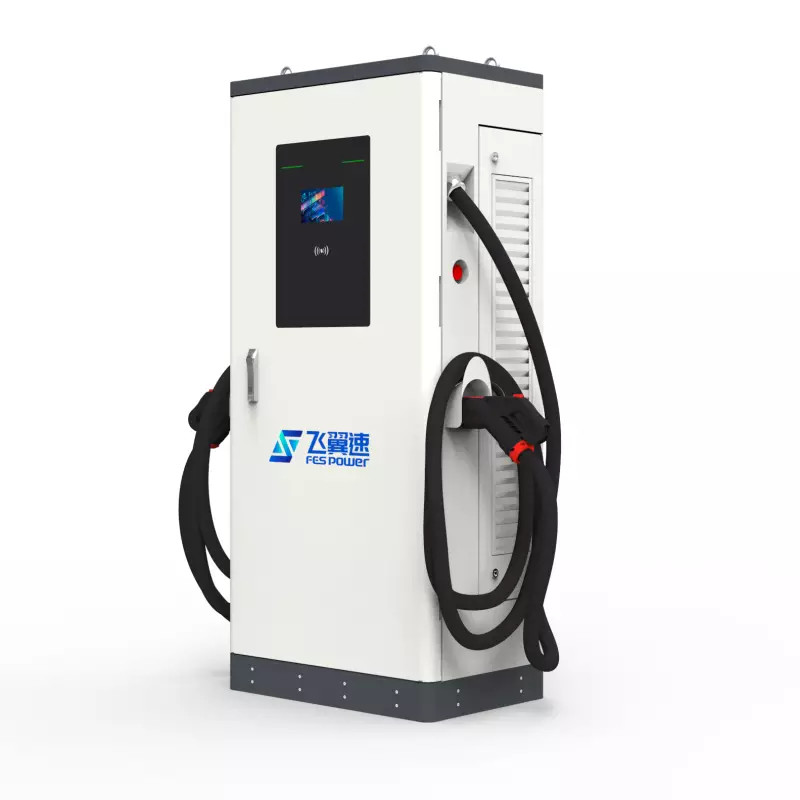
As electric vehicle (EV) adoption continues to accelerate worldwide, the demand for high-power EV charging is reaching unprecedented levels. Commercial fleet operators, highway charging stations, logistics hubs, and public charging networks are increasingly looking for charging solutions that deliver higher efficiency, greater reliability, and shorter charging times.
Against this backdrop, liquid-cooled high-power charging systems are becoming one of the most important technologies shaping the future of EV charging infrastructure.
Why Liquid-Cooled Charging Is Becoming the New Industry Standard
Traditional air-cooled charging cables are effective for moderate charging power but face limitations as charging capacity continues to increase. Higher current generates more heat, resulting in heavier cables, reduced charging efficiency, and increased maintenance requirements.
A liquid-cooled EV charging system addresses these challenges by circulating coolant through the charging cable and connector. This advanced thermal management technology efficiently dissipates heat, allowing chargers to safely deliver ultra-high charging power while keeping cables lighter and easier to handle.
For charging stations operating at 480 kW, 600 kW, or even 960 kW, liquid cooling has become an essential solution for maintaining stable performance and ensuring long-term operational reliability.
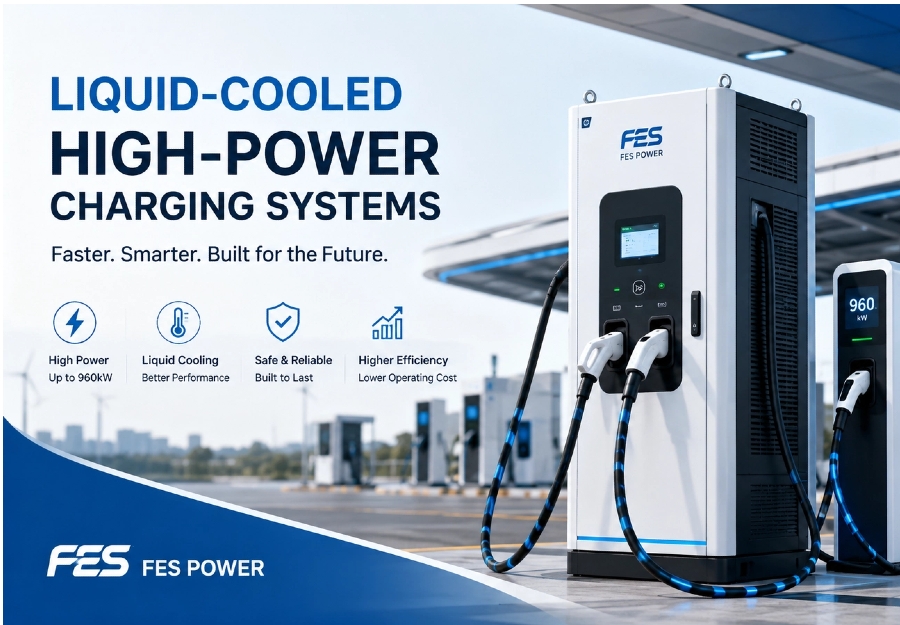
Faster Charging with Improved User Experience
One of the biggest advantages of liquid-cooled DC fast charging is the ability to significantly reduce charging time without compromising safety.
As battery technology advances, modern EVs are capable of accepting higher charging rates. Liquid-cooled charging systems support these requirements by maintaining optimal operating temperatures, minimizing power derating, and improving charging consistency throughout the charging session.
For commercial charging operators, this means:
- Higher station utilization
- Shorter customer waiting times
- Increased daily charging capacity
- Lower equipment downtime
These benefits contribute directly to improved return on investment (ROI) for charging infrastructure projects.
Supporting the Next Generation of Commercial EV Charging
The rapid growth of electric buses, heavy-duty trucks, and commercial fleets is driving demand for high-power DC charging solutions capable of delivering continuous, high-current operation.
Unlike passenger vehicles, commercial EVs often require fast turnaround times to maximize fleet efficiency. Liquid-cooled charging technology enables charging stations to provide reliable high-power output even under demanding operating conditions.
As governments and businesses continue investing in sustainable transportation, liquid-cooled charging is expected to play a key role in supporting future megawatt-level charging applications.
FES Power Delivers Reliable High-Power Charging Solutions
At FES Power, we are committed to providing advanced DC fast charging solutions designed for commercial and public charging applications.
Our high-power split DC charging systems, including liquid-cooled charging technology, are engineered to deliver:
- High charging efficiency
- Intelligent power distribution
- Stable long-term performance
- Smart energy management
- Flexible deployment for various charging scenarios
Combined with intelligent load balancing and remote management capabilities, FES Power helps charging operators maximize station performance while reducing operating costs.
Looking Ahead
As global EV charging infrastructure continues to expand, liquid-cooled high-power charging systems are expected to become the preferred choice for next-generation charging stations. Their ability to improve charging efficiency, enhance user experience, and support higher charging capacities makes them an essential component of future EV ecosystems.
For businesses planning new charging projects or upgrading existing facilities, investing in advanced liquid-cooled charging technology is an important step toward building reliable, scalable, and future-ready charging infrastructure.