

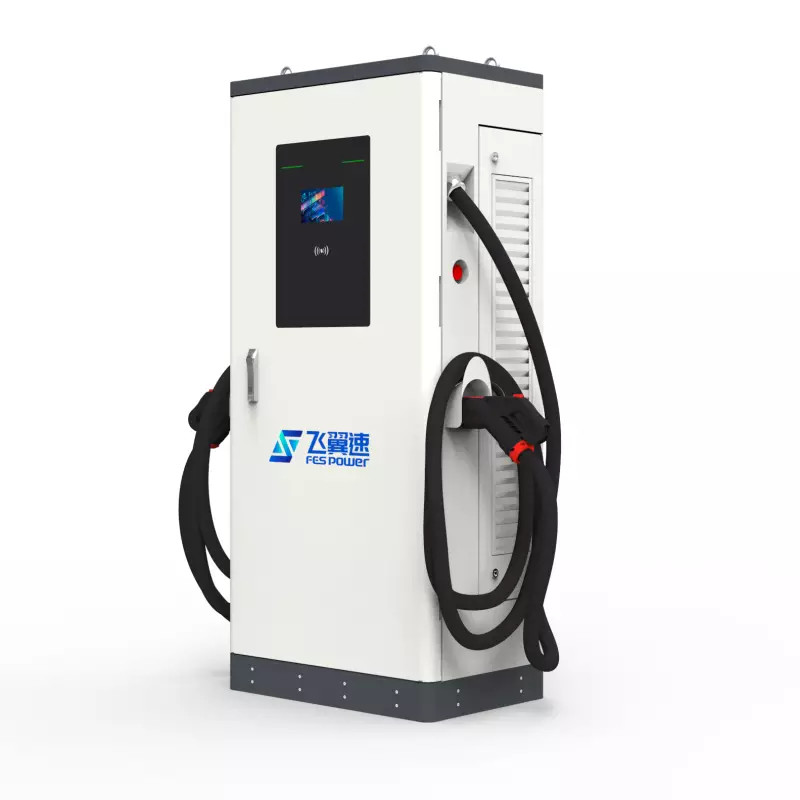
The global EV charging market is entering a new stage of development. While public charging infrastructure continues to expand, industry experts increasingly agree that simply installing more chargers does not guarantee higher profits. Instead, improving charger utilization and operational efficiency has become the primary focus for charge point operators worldwide.
According to the International Energy Agency, public charging infrastructure is growing steadily to support rising EV adoption. However, the next challenge is ensuring that charging stations are deployed in the right locations, operate reliably and achieve sustainable utilization rates. Future charging networks will require not only additional charging points, but also better planning, higher reliability and smarter energy management.
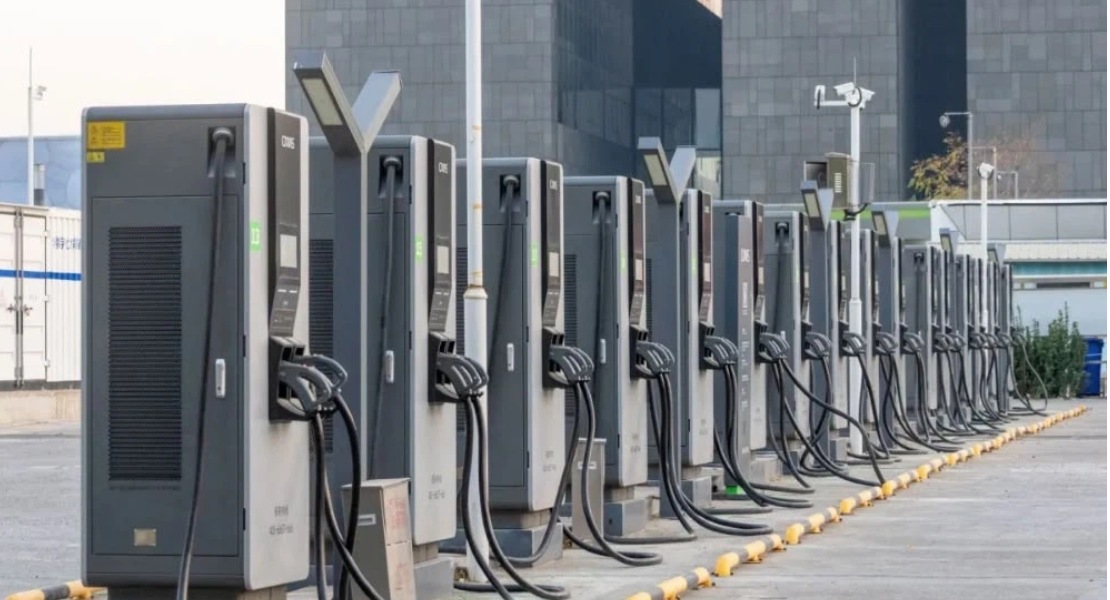
Industry research indicates that operators are increasingly using charging session analytics, equipment health monitoring and driver behavior data to identify underperforming locations and optimize network expansion. Rather than measuring success by the number of chargers installed, many operators now evaluate revenue per charging session, charger availability and utilization to improve long-term profitability.
Energy costs also play a critical role. High-power DC charging can create significant peak electricity demand, increasing monthly utility bills. As a result, operators are adopting intelligent load balancing, battery storage and dynamic energy scheduling to reduce operating costs while maintaining fast charging performance.
Another emerging trend is integrating charging stations with commercial destinations such as shopping centers, office parks and fleet depots. These locations typically generate longer dwell times and more consistent charging demand, helping improve charger utilization while creating additional business opportunities for site owners.
For solution providers, this market shift requires more than delivering charging hardware. Customers increasingly expect complete charging ecosystems that combine intelligent software, remote monitoring, power management and scalable infrastructure.
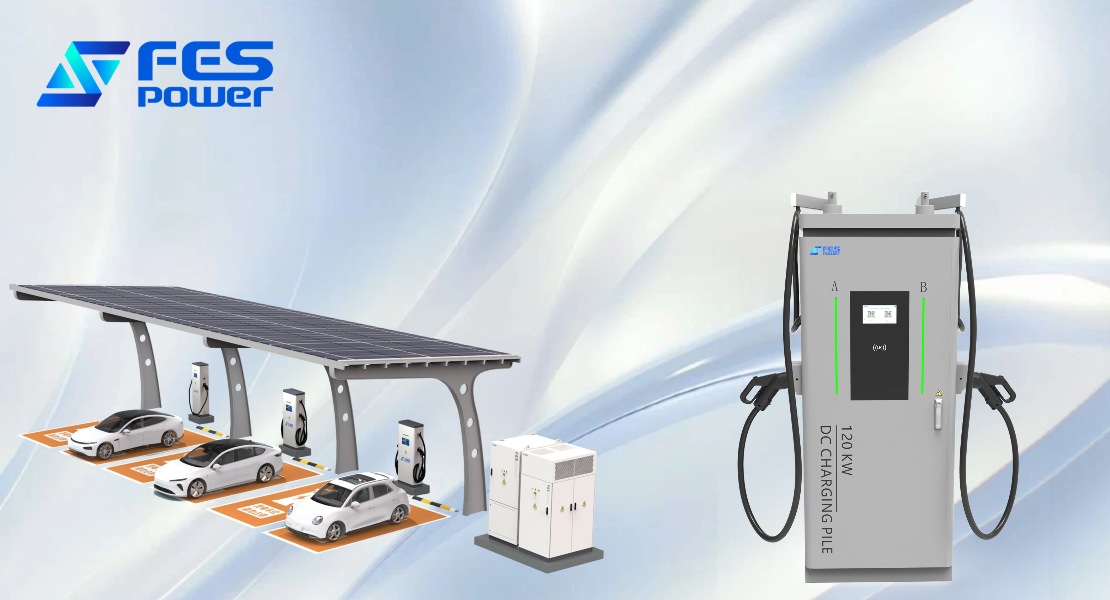
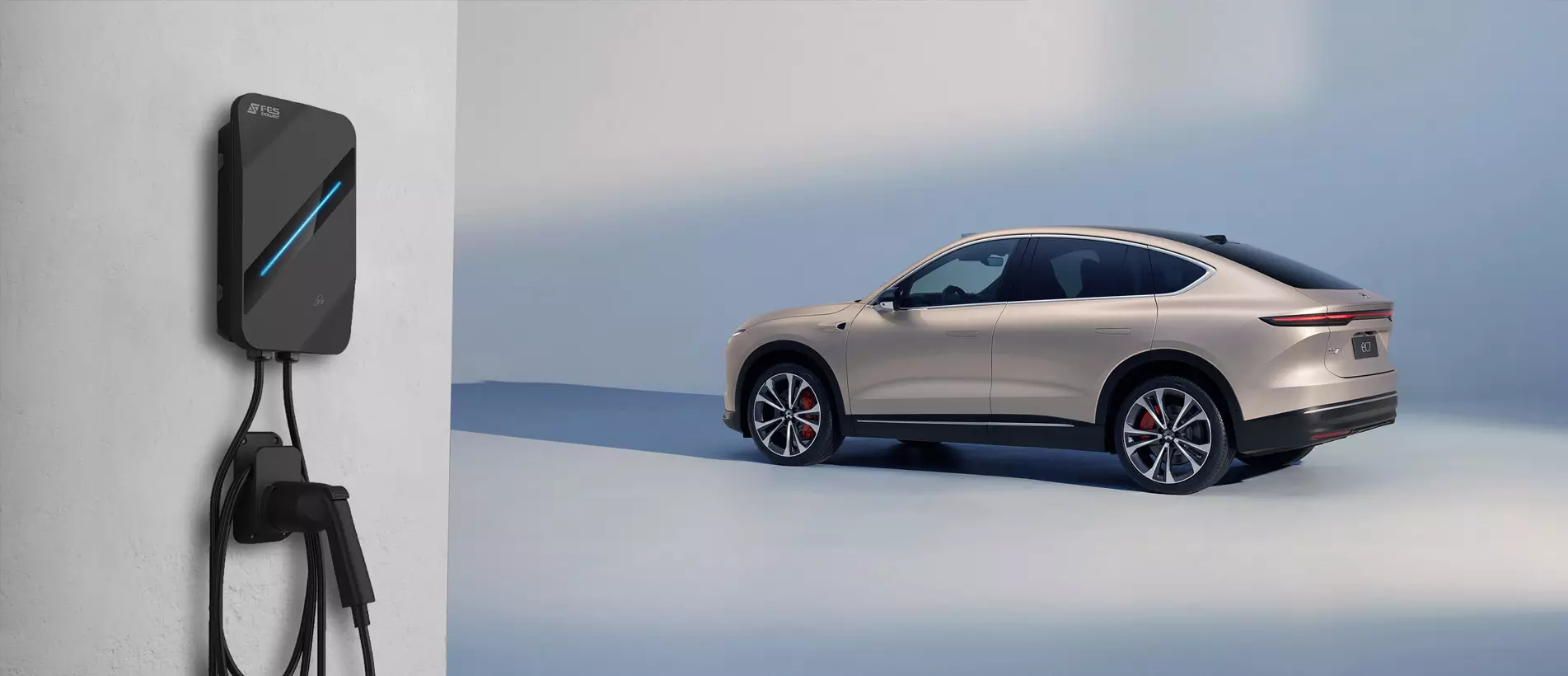
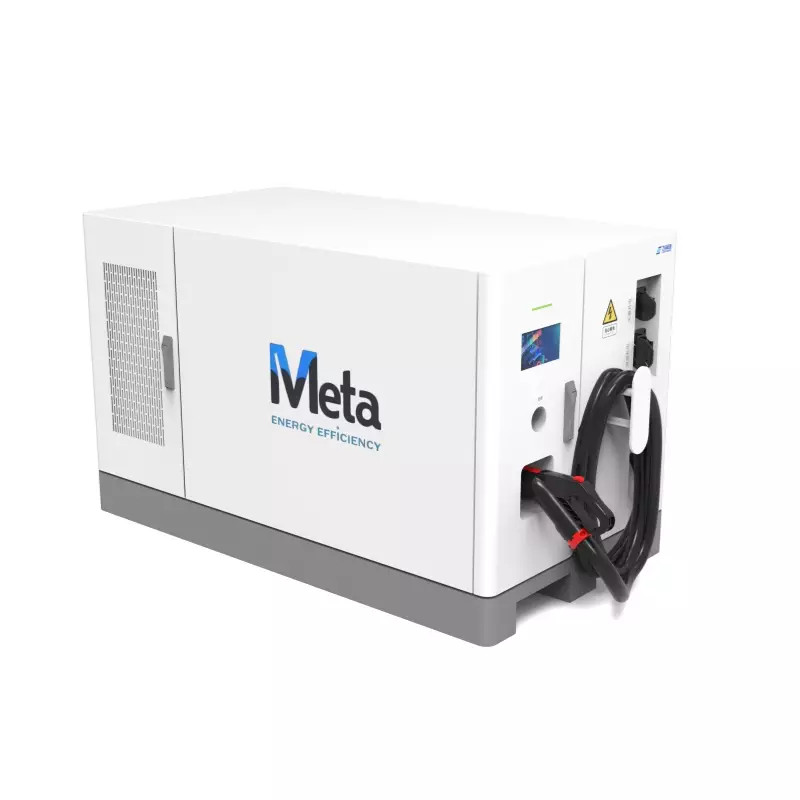
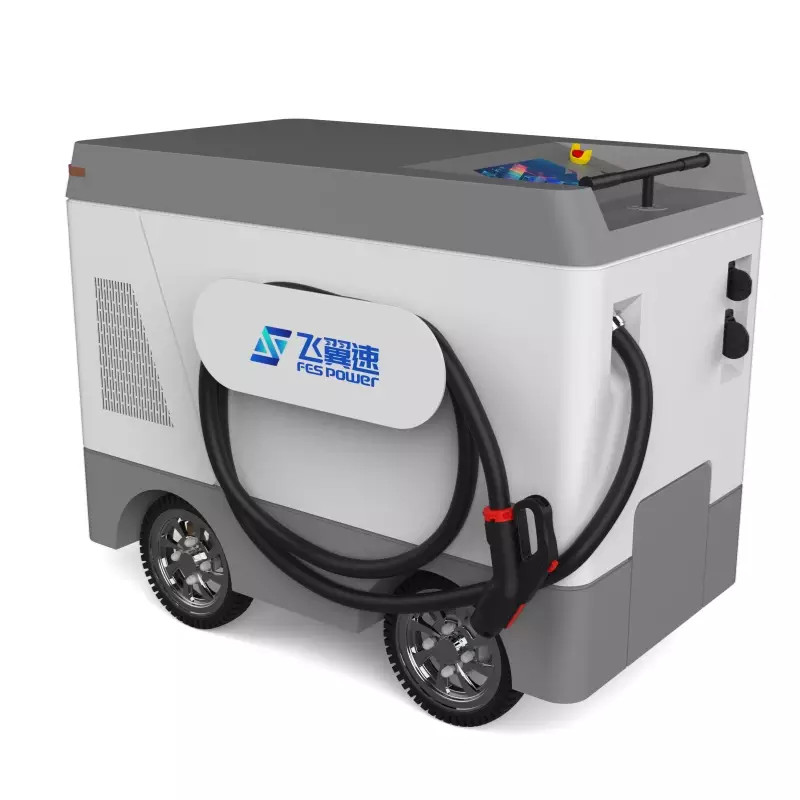
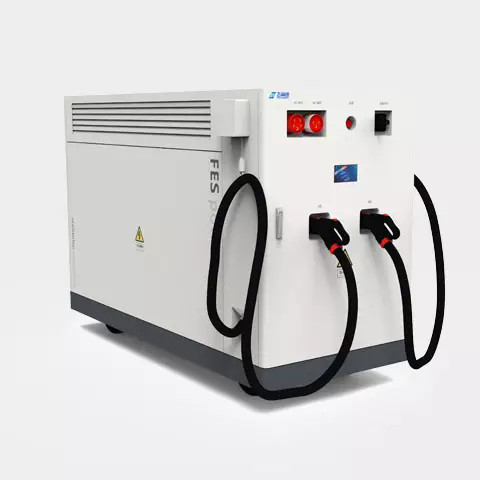
FES Power is committed to supporting this transition through comprehensive EV charging solutions. Our product portfolio includes residential AC chargers, commercial DC fast chargers, mobile charging solutions and intelligent Dynamic Load Balancing systems. Together with our energy management capabilities, these solutions help businesses improve charger utilization, optimize power distribution and reduce operating costs while preparing for future network expansion.
As the EV industry matures, profitability will be driven less by infrastructure quantity and more by operational quality. Smart deployment strategies, efficient energy management and intelligent charging technologies will define the next generation of successful EV charging networks.