

Southeast Asia EV Market Enters a New Growth Phase
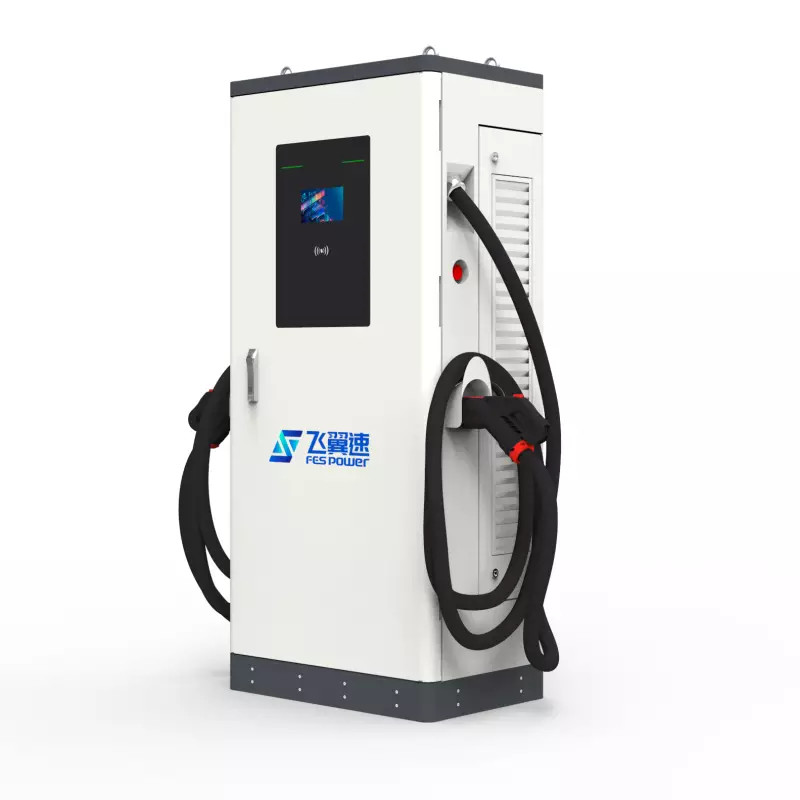
The Southeast Asia EV boom is accelerating, driven by rising electric vehicle adoption, government incentives, expanding EV manufacturing, and growing investment in EV charging infrastructure. Countries including Indonesia, Thailand, Vietnam, Malaysia, Singapore, and the Philippines are increasingly positioning themselves as important markets for electric mobility and clean transportation.
According to the International Energy Agency (IEA), more than 90% of electric car sales in Southeast Asia are now battery electric vehicles (BEVs), highlighting the region’s growing dependence on reliable charging infrastructure.
The momentum is also reflected in charging deployment. Charging station installations across Indonesia, Thailand, Malaysia, and Vietnam increased approximately ninefold between 2022 and 2024. Indonesia alone is targeting 30,000 public charging stations by 2030, while Thailand has set a target of 12,000.
As more EVs enter the market, the next challenge is clear: how can Southeast Asia build a charging network that is fast, flexible, reliable, and scalable?
EV Charging Infrastructure Becomes the Key to EV Adoption
The rapid growth of EV sales is creating new requirements for charging infrastructure.
Public charging stations need to support higher charging power and shorter charging times, while commercial fleets, taxis, logistics companies, and electric buses require charging solutions capable of handling high daily utilization.
This is where DC fast charging becomes increasingly important.
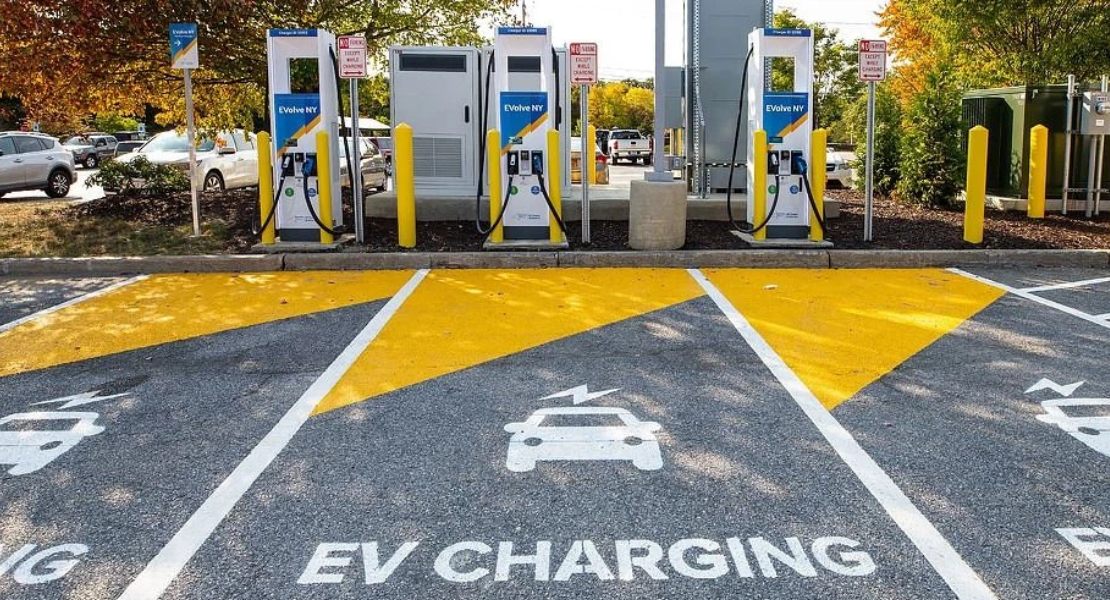
Compared with conventional AC charging, high-power DC chargers can significantly reduce charging time, making them suitable for highways, commercial charging stations, fleet depots, bus terminals, shopping centers, and other high-demand locations.
At the same time, Southeast Asian markets have different grid conditions, site requirements, vehicle standards, and business models. Charging operators therefore need solutions that can be adapted to different scenarios rather than relying on a single standardized configuration.
From Fast Charging to Flexible Charging Solutions
At FES Power, we see the development of Southeast Asia’s EV market as not only a growth opportunity for EV charging, but also a shift toward flexible and intelligent charging infrastructure.
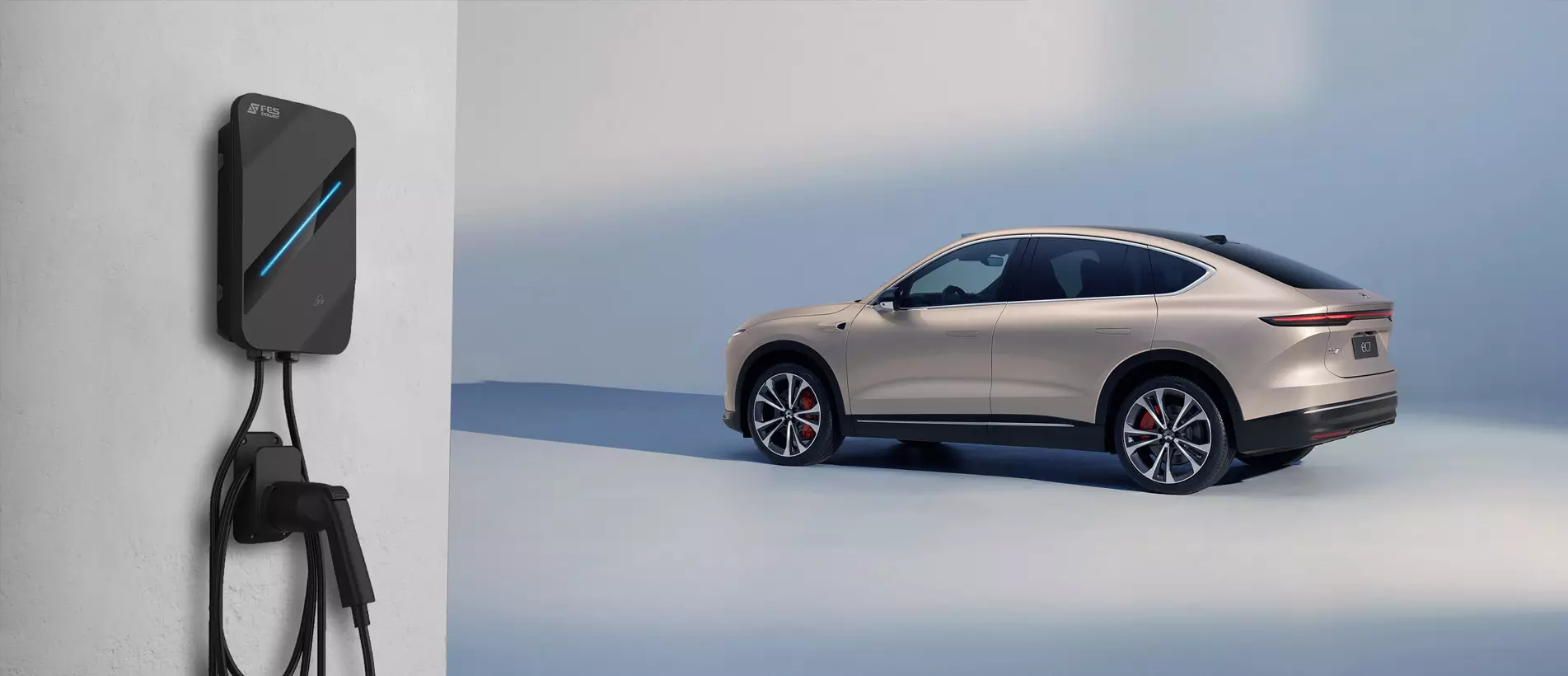
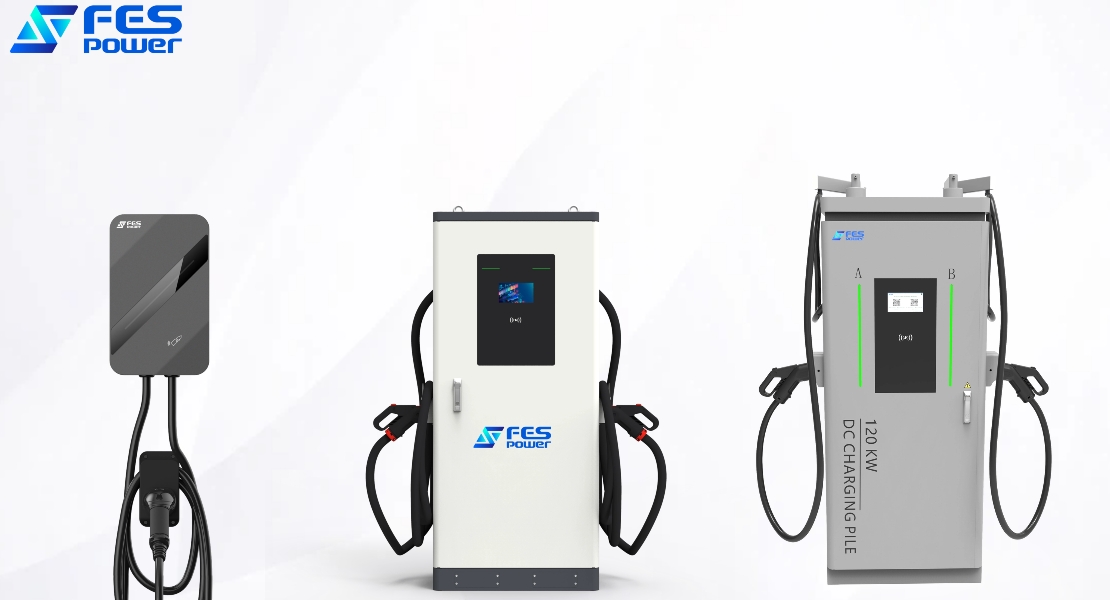
Our product portfolio covers multiple charging scenarios, from compact AC charging to high-power DC charging.
For commercial and public charging applications, the D100 Ultra-Fast DC EV Charger provides up to 120 kW or 160 kW of charging power, making it suitable for locations where fast turnaround is essential.
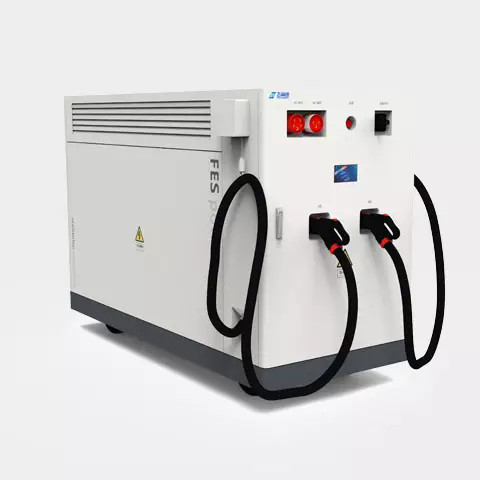
For higher-demand charging sites, the C-Station 960 split-type charging system can provide up to 960 kW of total power. Its flexible power distribution architecture supports multiple charging terminals simultaneously, allowing operators to allocate power according to real-time charging demand.
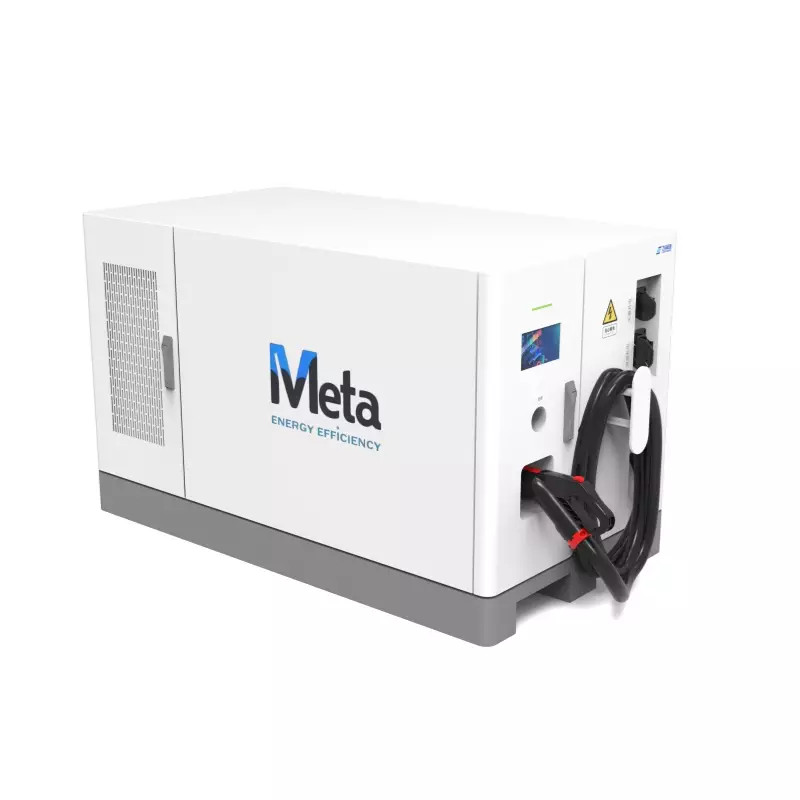
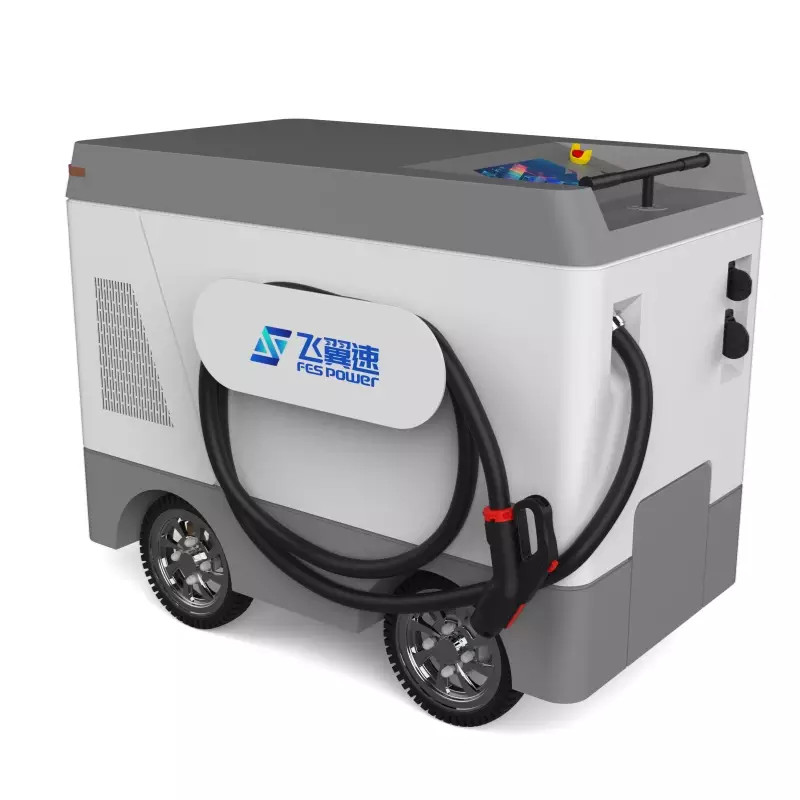
For locations where grid capacity or charging flexibility is a concern, FES Power also offers the Meta+ mobile charging series, including solutions with energy storage and mobile charging capabilities. These systems can provide additional flexibility for temporary charging needs, fleet operations, events, construction sites, and locations where permanent charging infrastructure is difficult to deploy.
Southeast Asia’s EV Boom Is Also a Fleet Opportunity
The EV transition in Southeast Asia is moving beyond private passenger vehicles.
Ride-hailing services, logistics fleets, electric buses, commercial vehicles, and last-mile delivery are becoming important drivers of electrification. High-utilization fleets require charging infrastructure that can deliver predictable charging performance while minimizing vehicle downtime.
This creates strong demand for commercial EV charging solutions, particularly high-power DC chargers, centralized charging systems, and mobile energy storage solutions.
For charging operators and fleet owners, the objective is no longer simply to install more chargers. The focus is shifting toward building charging networks that can efficiently manage power, improve asset utilization, and support future fleet expansion.
What’s Next for Southeast Asia EV Charging?
The Southeast Asian EV market is entering a critical stage. EV sales are growing, charging networks are expanding, and governments are strengthening policies to support electrification.
Vietnam, Thailand, Indonesia, Malaysia, Singapore, and other ASEAN markets may follow different development paths, but one requirement is shared: EV adoption needs reliable charging infrastructure to scale.
For charging operators, fleet companies, energy companies, and infrastructure developers, the opportunity is moving from individual charger deployment toward complete EV charging ecosystems.
FES Power will continue developing flexible, efficient, and smart EV charging solutions to support this transition—from AC and DC fast charging to mobile charging and high-power flexible charging systems.
The Southeast Asia EV boom is only beginning.
And the next question is not whether the region will electrify, but how quickly its charging infrastructure can keep up.