

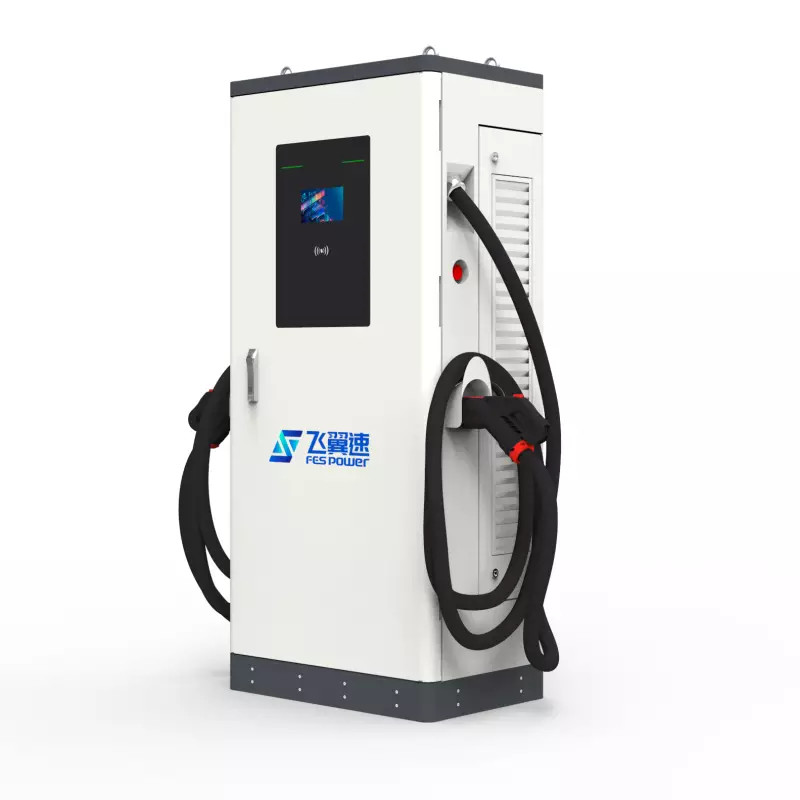
The Growing Need for High-Power EV Charging
The rapid growth of electric vehicles (EVs) is accelerating the demand for faster, more reliable charging solutions. As EV batteries become larger and charging expectations continue to increase, traditional charging systems face challenges in heat management and power delivery.
For commercial fleets, highway charging stations, and high-demand charging hubs, reducing charging time is becoming a key priority. Liquid-cooled EV chargers are emerging as an advanced solution to support ultra-fast charging while ensuring stable performance and long-term reliability.
What Is a Liquid-Cooled EV Charger?
A liquid-cooled EV charger uses advanced thermal management technology to remove heat generated during high-power charging.
Compared with traditional air-cooled systems, liquid cooling provides more efficient heat dissipation, allowing charging equipment to operate at higher power levels without overheating.
During ultra-fast charging, components such as power modules, charging cables, and connectors generate significant heat. Effective cooling technology helps maintain optimal temperatures, improving charging efficiency and equipment durability.
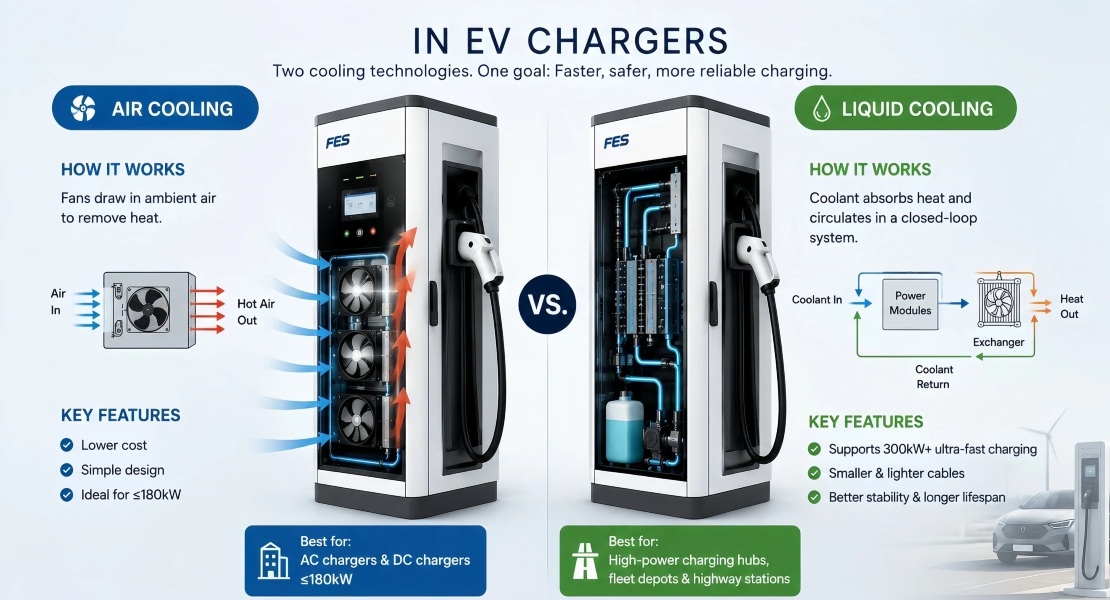
Key Advantages of Liquid-Cooled EV Charging Technology
1. Higher Power Output for Faster Charging
One of the biggest advantages of liquid-cooled EV chargers is their ability to support higher charging power.
With the development of high-voltage EV platforms and larger battery capacities, charging networks require solutions that can deliver more energy in less time. Liquid cooling enables high-power DC charging systems to achieve faster charging speeds while maintaining stable operation.
This makes liquid-cooled technology ideal for:
- Highway fast-charging stations
- Commercial EV fleets
- Electric buses and trucks
- Large-scale charging hubs
2. Better Thermal Management and Reliability
Temperature control is critical for high-power charging equipment, especially in extreme environments.
Liquid-cooled EV chargers provide efficient heat management and are suitable for applications in:
- High-temperature regions
- Outdoor charging stations
- Heavy-duty charging scenarios
- Continuous charging operations
By maintaining stable operating temperatures, liquid cooling helps improve system reliability, extend equipment lifetime, and reduce maintenance requirements.
3. Flexible Design for Future Charging Infrastructure
Liquid cooling allows charging systems to achieve higher power density with optimized designs.
For charging operators, this means:
- More charging capacity within limited space
- Easier station expansion
- Improved energy utilization
- Better support for future EV technologies
As charging demand continues to grow, liquid-cooled solutions provide the scalability needed for next-generation EV infrastructure.
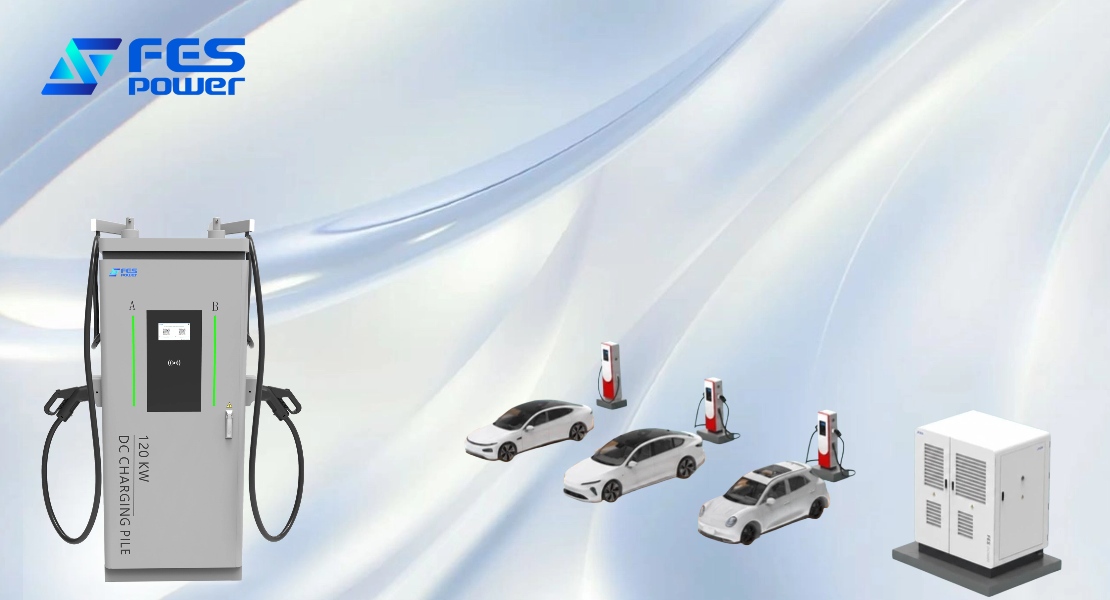
FES Power Liquid-Cooled High-Power Charging Solution
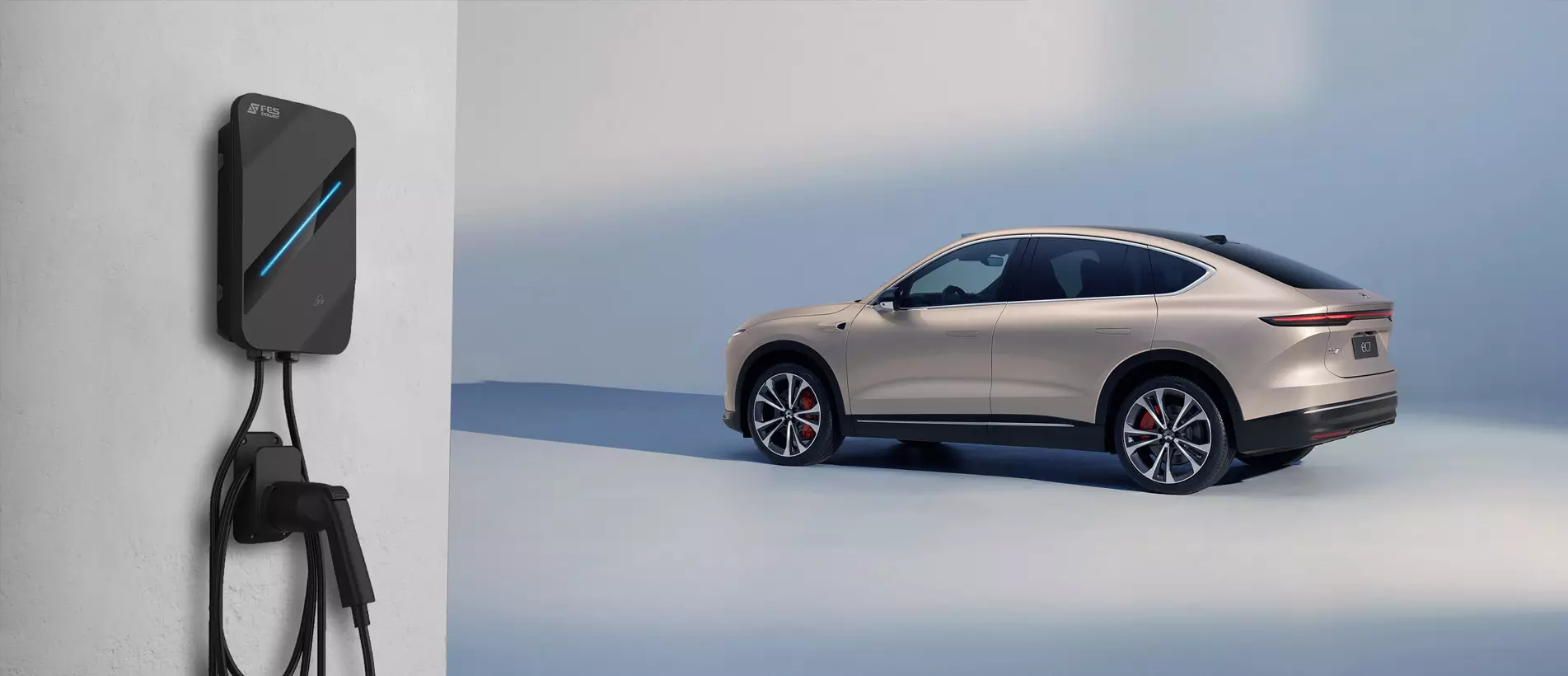
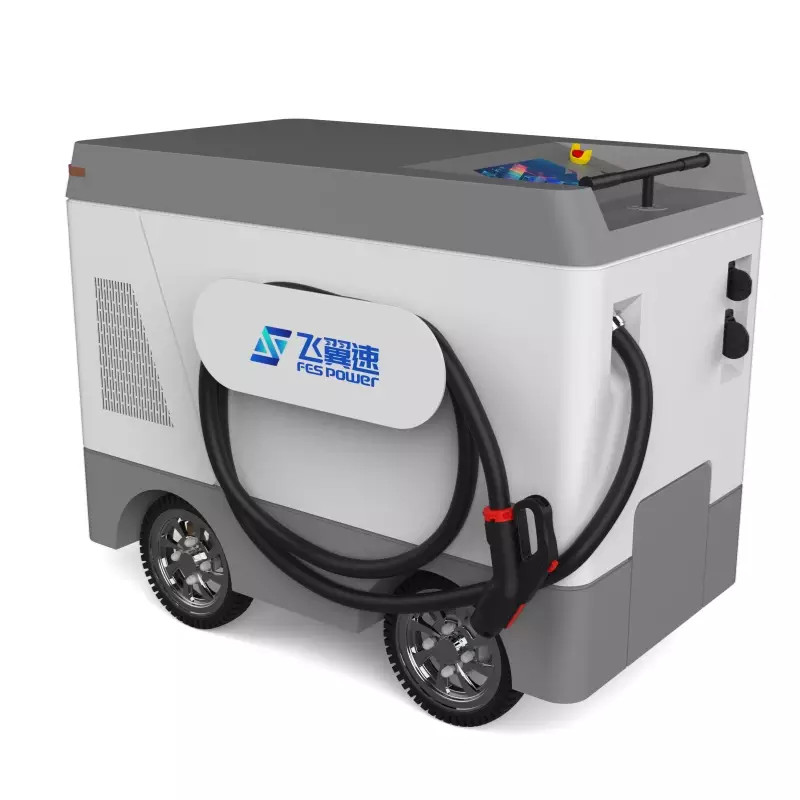
FES Power develops advanced EV charging solutions for commercial and public charging applications.
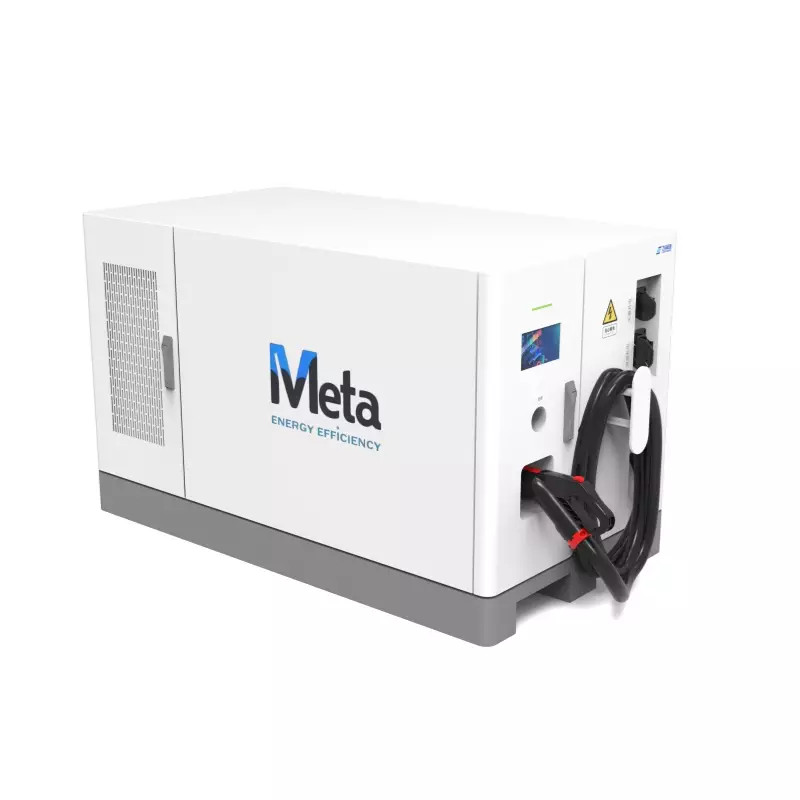
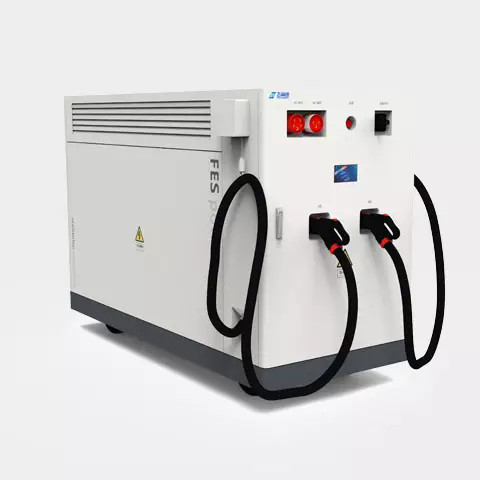
The C-Station 960 flexible split DC charging system is designed to meet the increasing demand for high-power charging infrastructure.
Key features include:
- Up to 960kW total power capacity
- Flexible power distribution technology
- Support for multiple charging terminals
- Liquid-cooled charging terminal options
- Up to 600kW charging output
- Suitable for charging hubs, fleets, and high-demand locations
By combining high-power charging technology with intelligent power management, FES Power helps customers build efficient, scalable, and future-ready EV charging networks.
The Future of EV Charging: Faster, Smarter, and More Efficient
As electric mobility continues to expand, charging infrastructure must evolve to support faster charging speeds and higher energy demands.
Liquid-cooled EV chargers represent an important direction for the future of ultra-fast charging, providing the power, reliability, and flexibility required for modern EV ecosystems.
From commercial fleets to public charging networks, FES Power continues to develop innovative charging solutions that support global electrification and help businesses accelerate the transition toward sustainable transportation.