- Call Us : +86-15060765919
- Mail Us : bella@fespower.cn
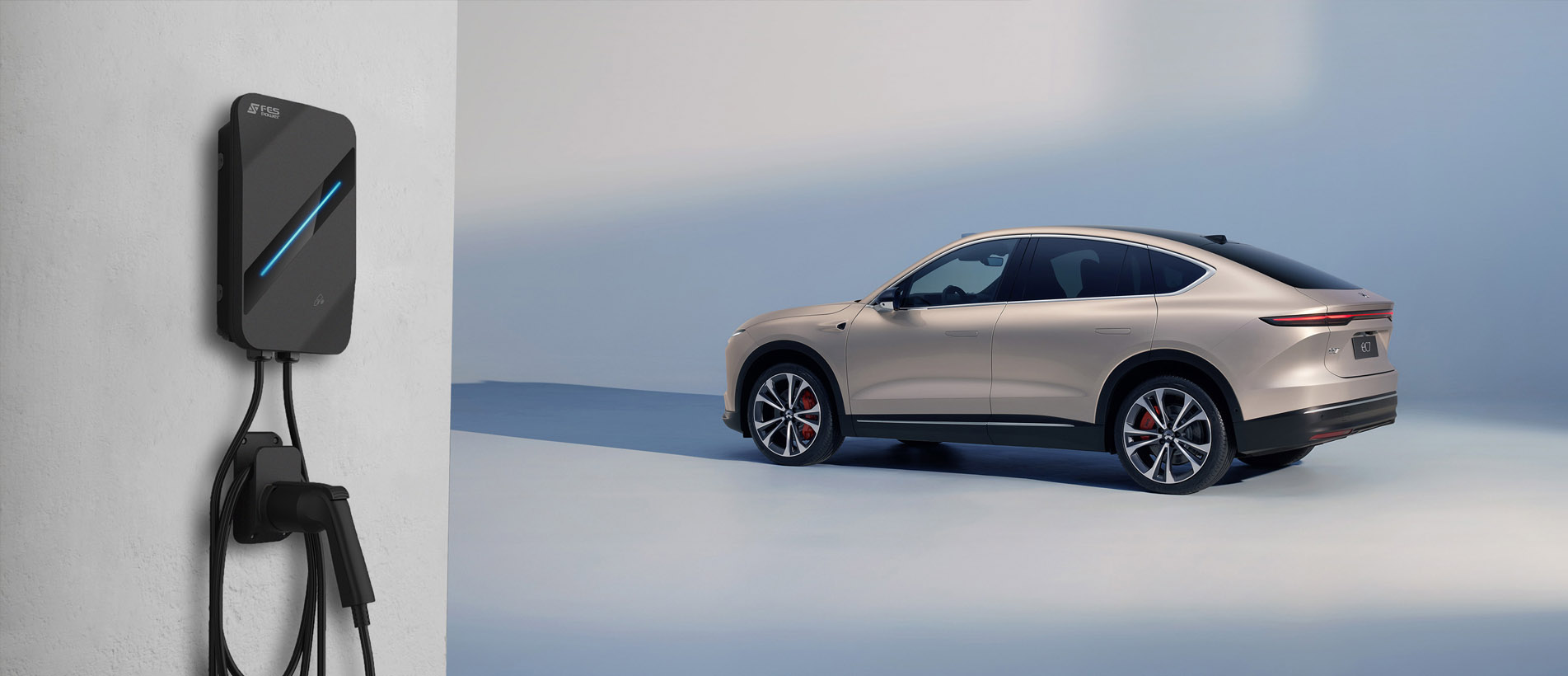
2026 EV Charging Innovation: How New Technologies Are Redefining Charging Speed, Intelligence, and Energy Efficiency
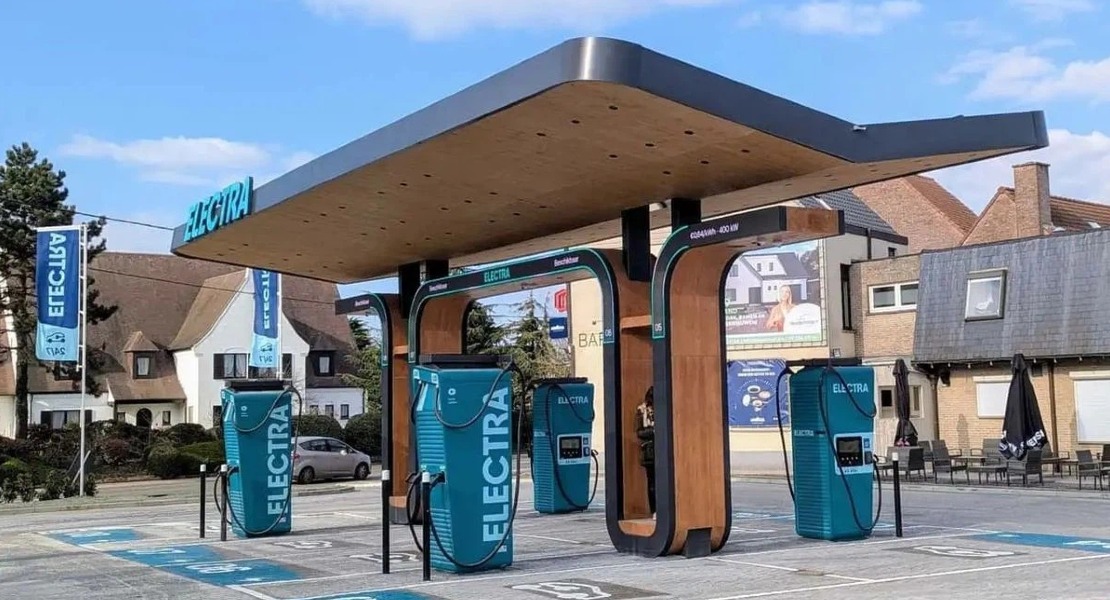
The EV charging industry is entering a technology-driven transformation in 2026, fueled by breakthroughs in ultra-fast charging, intelligent energy management, battery-integrated systems, and cloud-based operations. As electric vehicle adoption accelerates globally, charging technology is evolving to deliver faster speeds, smarter power distribution, and more scalable infrastructure.
One of the most significant innovations is the rapid expansion of ultra-fast DC charging (350 kW–1000 kW). Improvements in power electronics, liquid-cooled charging cables, and next-generation battery chemistry are enabling vehicles to gain hundreds of kilometers of range within minutes. At the same time, declining hardware costs are making high-power charging more commercially viable for operators.
Another major advancement is the rise of smart charging systems. AI-powered load balancing, dynamic pricing algorithms, and cloud-based remote diagnostics are helping operators optimize station utilization, reduce downtime, and improve grid stability. In addition, vehicle-to-grid (V2G) and bidirectional charging are gaining momentum, enabling EVs to act as distributed energy storage assets that support renewable energy integration and grid resilience.
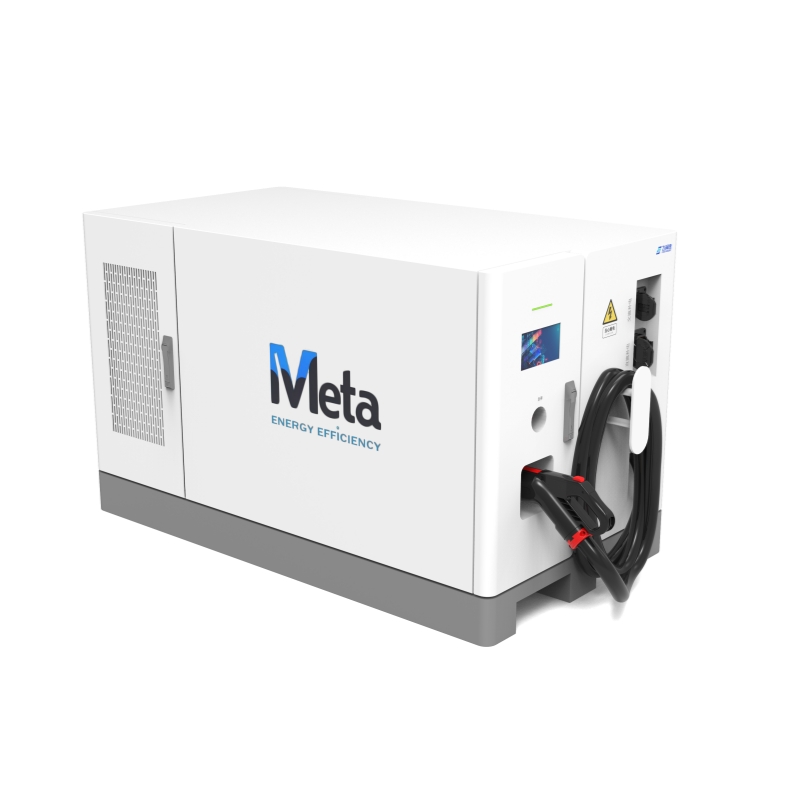
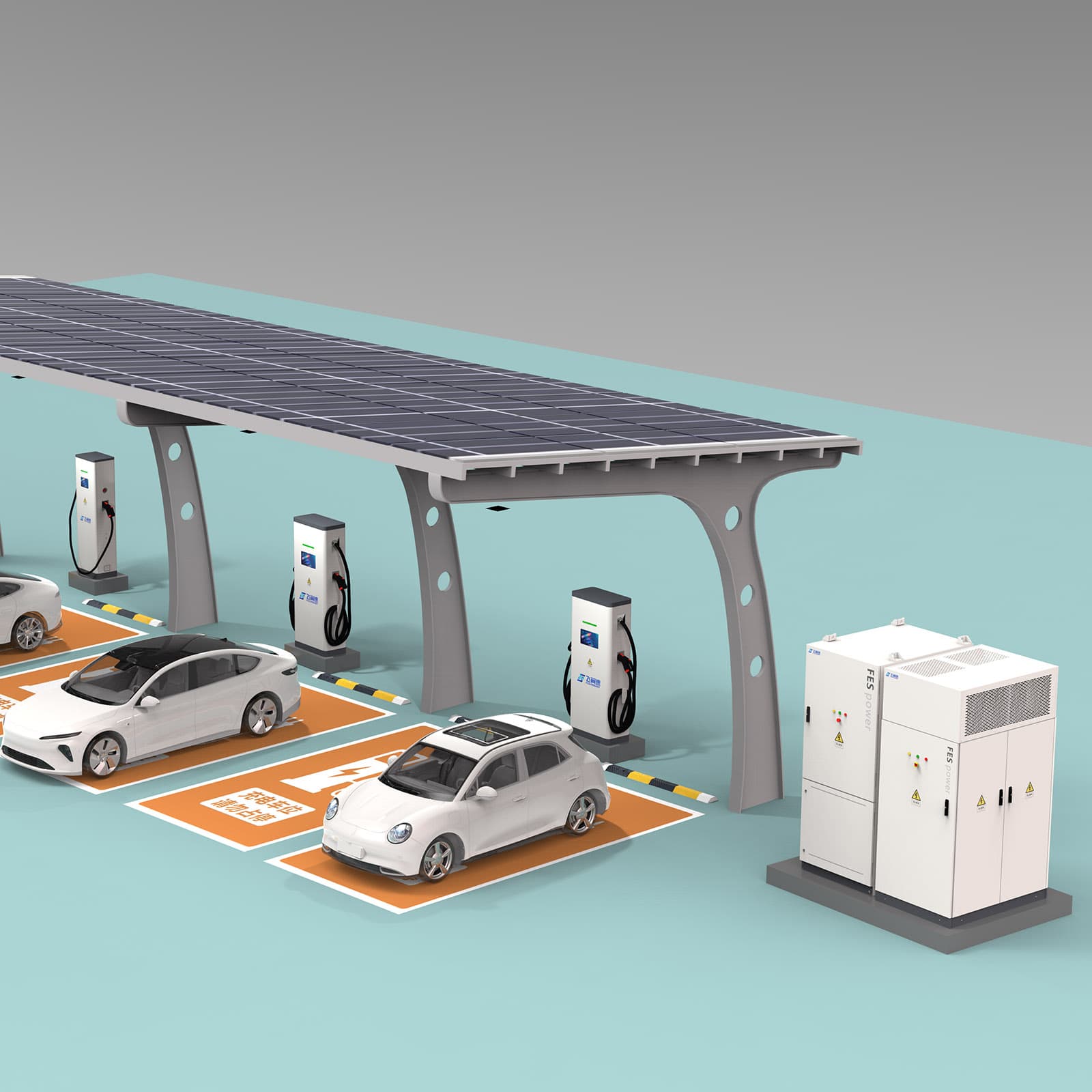
Energy-storage–integrated charging is also emerging as a key technological solution, particularly in regions facing grid capacity constraints. Battery-buffered fast-charging hubs allow high-power charging without requiring costly grid upgrades, while enabling peak shaving and improved power quality.
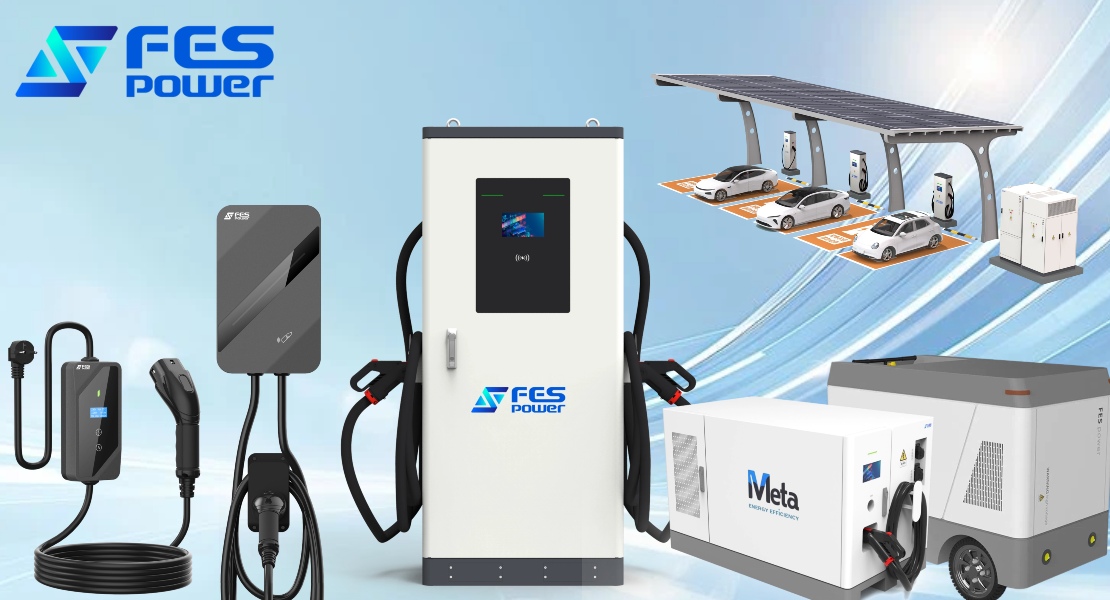
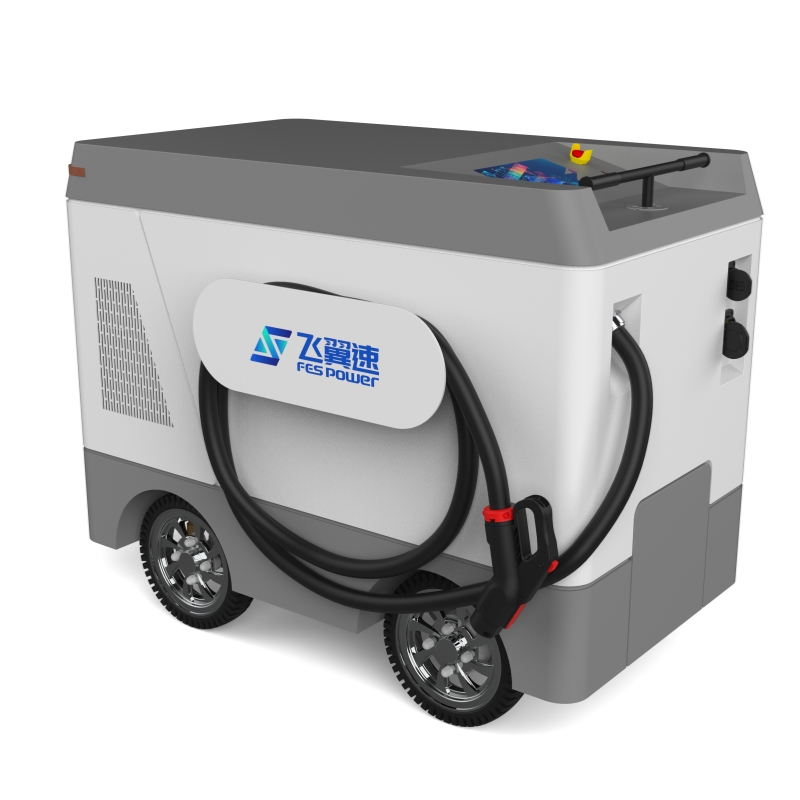
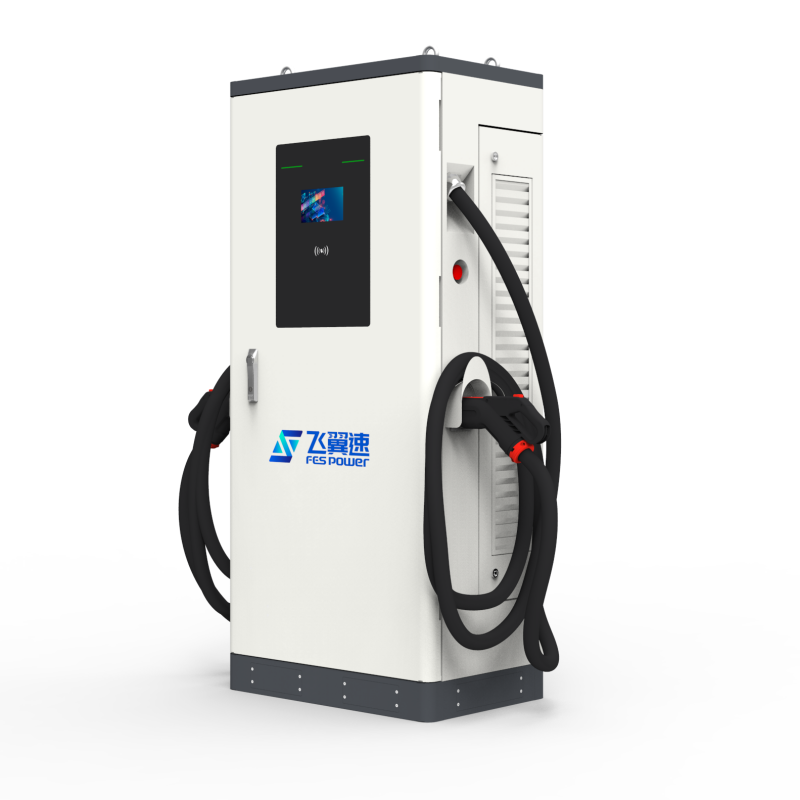
FES Power continues to invest in next-generation EV charging technology, offering high-power modular DC chargers, intelligent charging platforms, energy-storage–ready systems, and mobile charging solutions. By combining advanced hardware architecture with smart software and scalable energy systems, FES Power supports charging operators in deploying future-ready, high-performance infrastructure aligned with 2026 technology trends.



 IPv6 network supported