- Call Us : +86-15060765919
- Mail Us : bella@fespower.cn
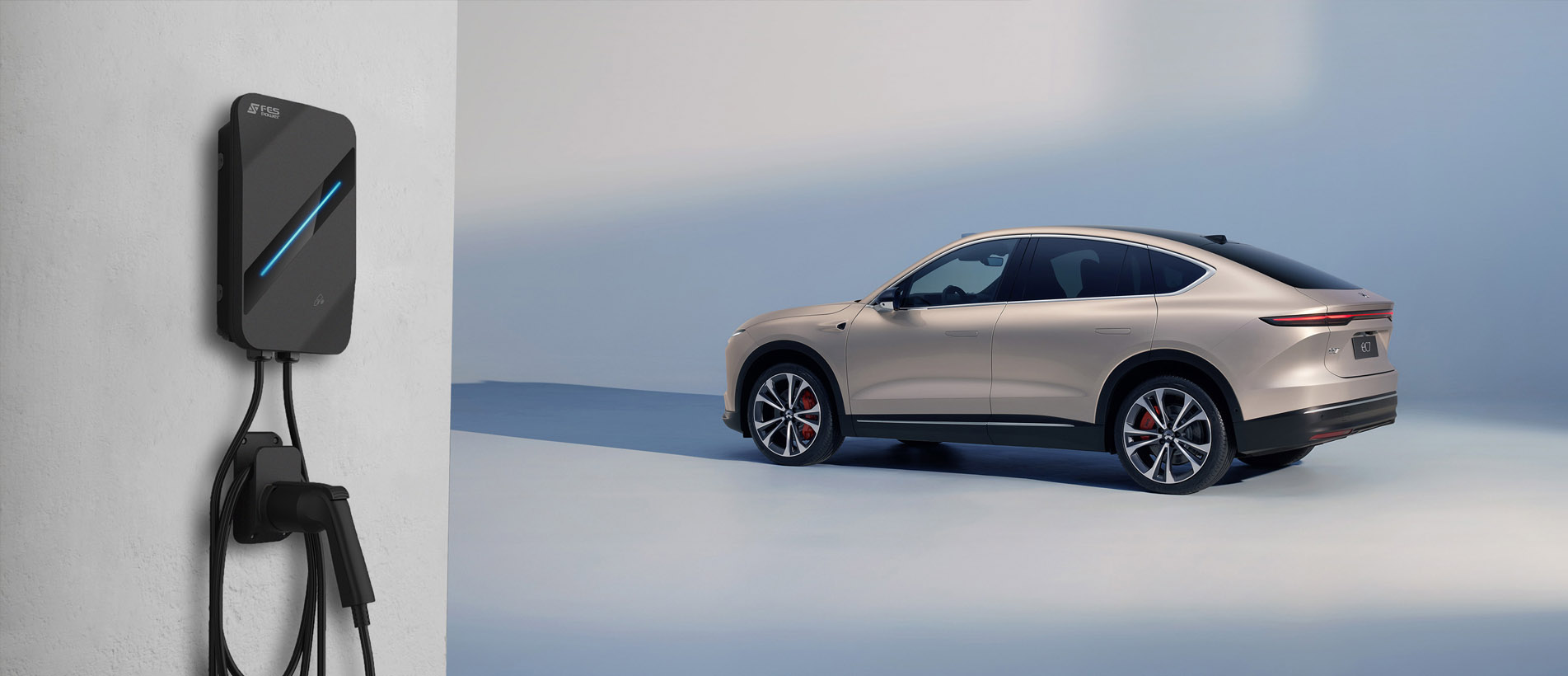
As electric vehicles continue to expand across global markets, EV charging infrastructure has become a key focus for businesses, fleet operators, and public charging investors. Among the most frequently discussed topics is the difference between AC and DC EV chargers — a distinction that directly affects charging efficiency, deployment cost, and commercial performance.
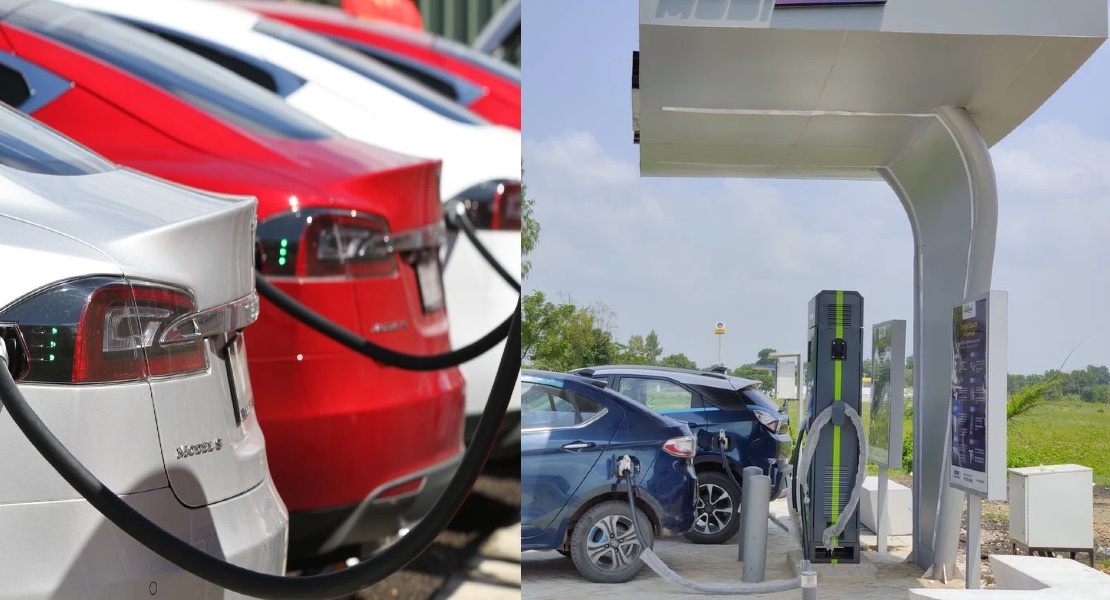
AC EV chargers supply alternating current to the vehicle, where an onboard charger converts it into direct current to charge the battery. Typically ranging from 3.7 kW to 22 kW, AC chargers are widely used in residential areas, offices, hotels, and long-stay parking facilities. Their lower equipment cost and simpler installation make them an ideal solution for locations where vehicles remain parked for several hours. However, their slower charging speed limits suitability for high-traffic commercial environments.
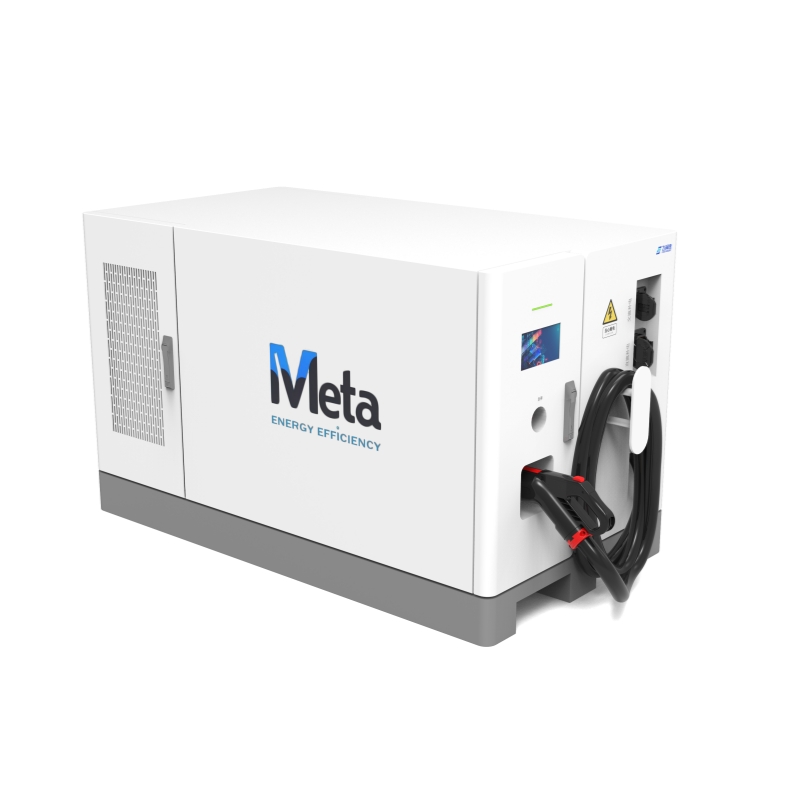
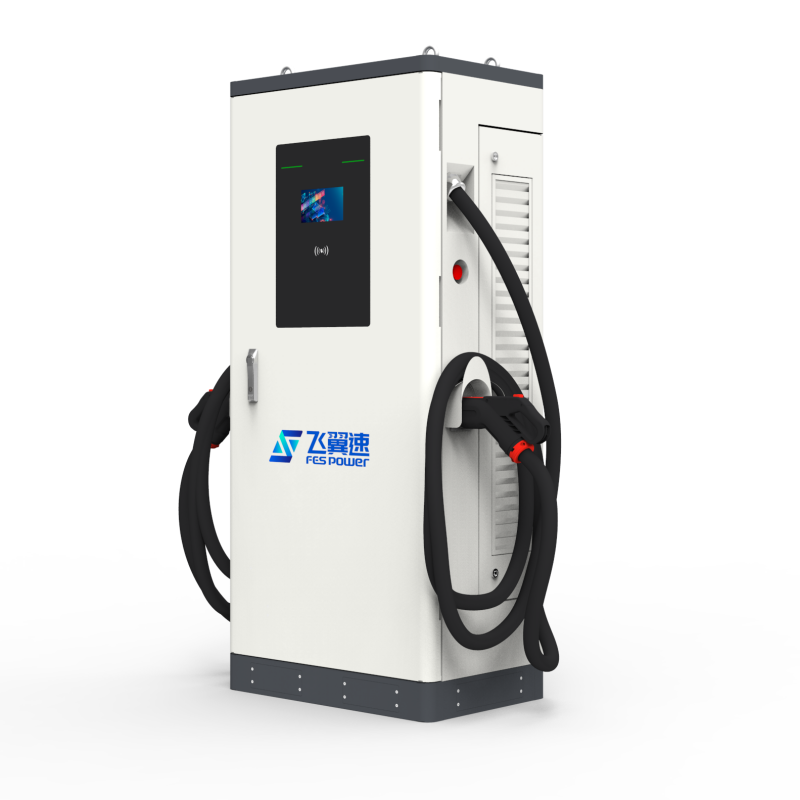
In contrast, DC EV chargers perform the AC-to-DC conversion inside the charger itself, delivering DC power directly to the vehicle battery. With power outputs starting from around 30 kW and extending well beyond 150 kW, DC fast chargers significantly reduce charging time and enable rapid vehicle turnover. This makes them essential for highways, public charging hubs, fleet depots, logistics centers, and taxi operations. While DC charging systems require higher initial investment and stronger grid capacity, they offer superior efficiency and stronger long-term revenue potential.
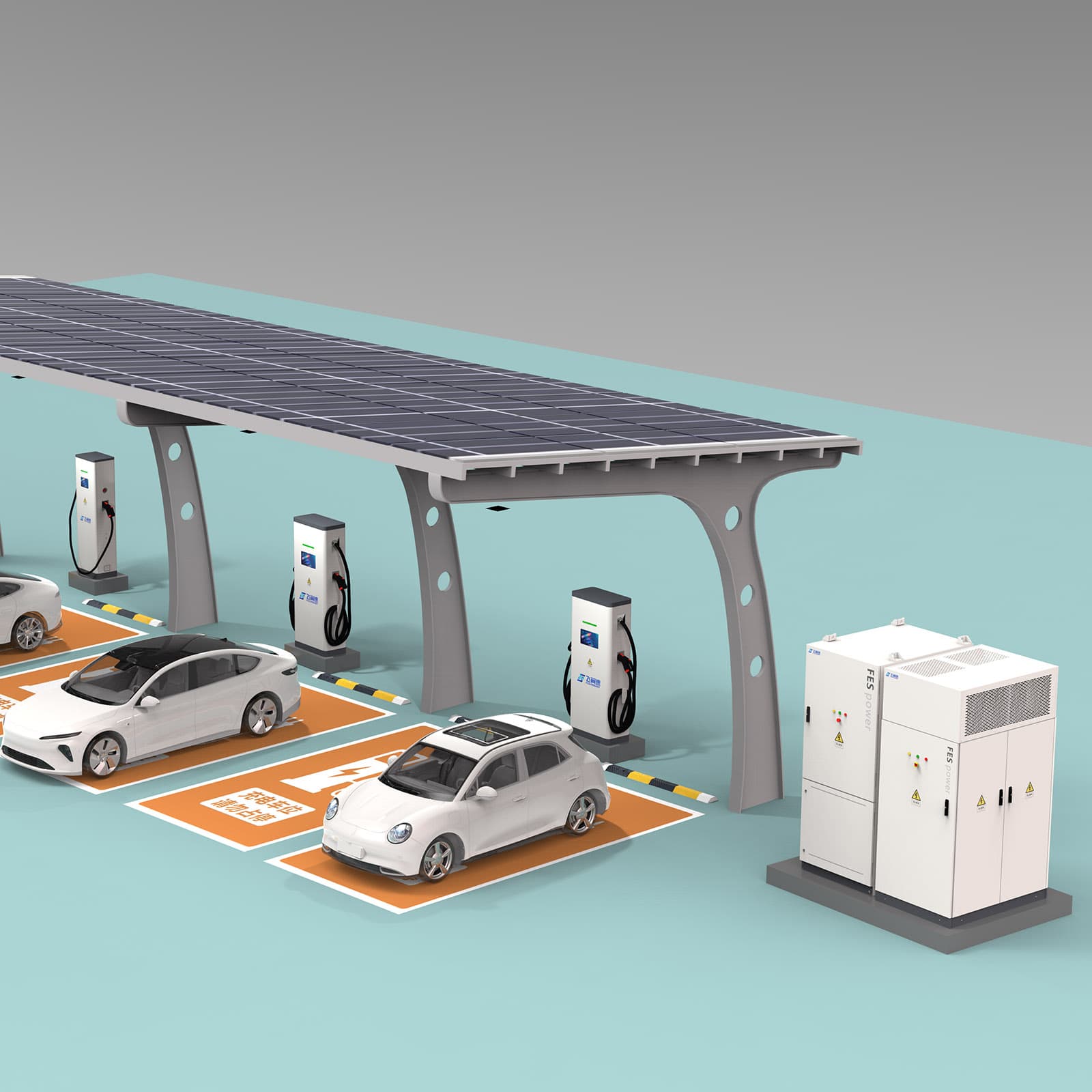
Choosing between AC and DC charging is not a matter of preference, but of application and charging demand. Residential and workplace environments benefit from cost-effective AC charging, while commercial and public locations increasingly rely on DC fast charging to meet user expectations for speed and convenience. In many real-world projects, a hybrid deployment of both technologies provides the most balanced solution.
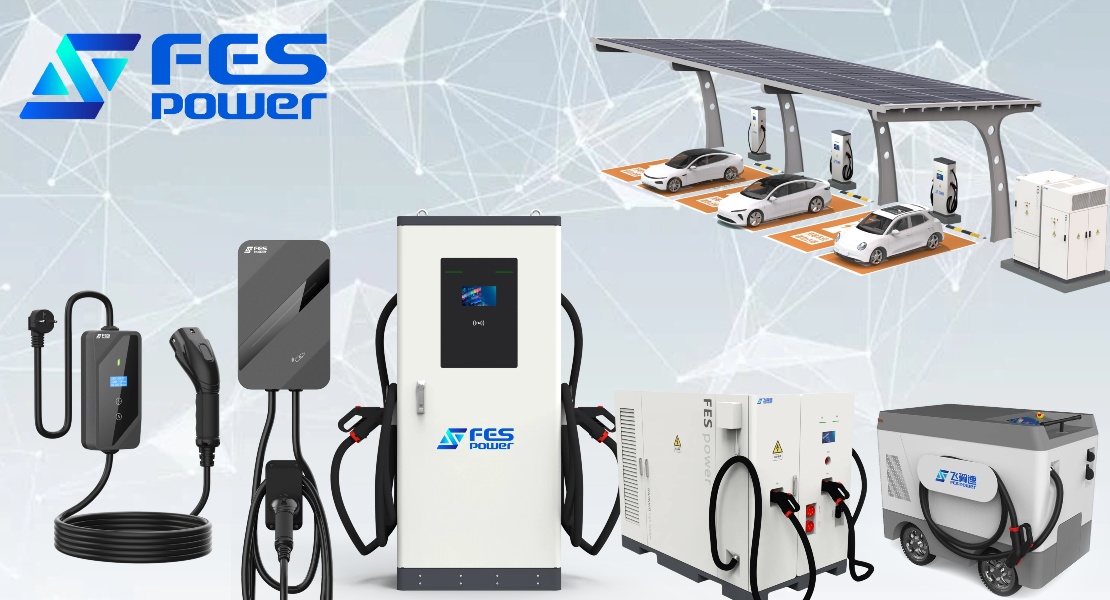
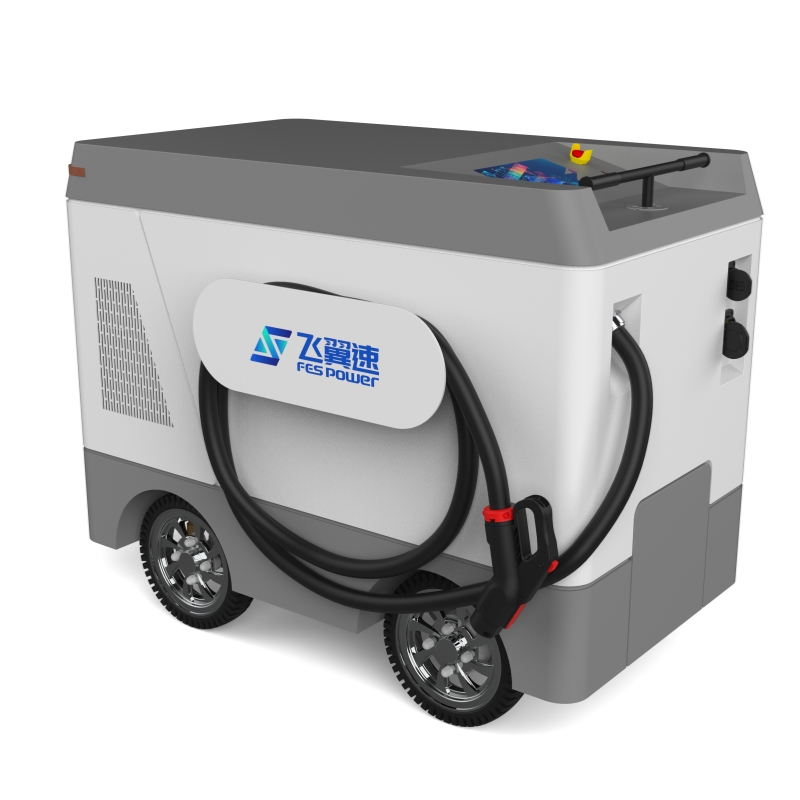
FES Power offers a comprehensive portfolio of EV charging solutions to support diverse deployment scenarios. Our DC fast charging systems, including 120 kW and 160 kW configurations, are designed with modular and split-type architectures, combining power cabinets with flexible charging terminals. These solutions are well suited for high-utilization commercial sites, public charging networks, and fleet operations, delivering stable performance, advanced protection, and scalability for future expansion. In parallel, FES Power also provides reliable AC charging solutions for commercial and semi-public environments such as offices, hotels, and residential parking facilities.
All FES Power products are developed with global markets in mind, supporting international charging standards and certification requirements. By understanding the real difference between AC and DC EV chargers, operators and investors can make informed decisions, optimize infrastructure planning, and build charging networks that are efficient, scalable, and future-ready.



 IPv6 network supported