- Call Us : +86-15060765919
- Mail Us : bella@fespower.cn
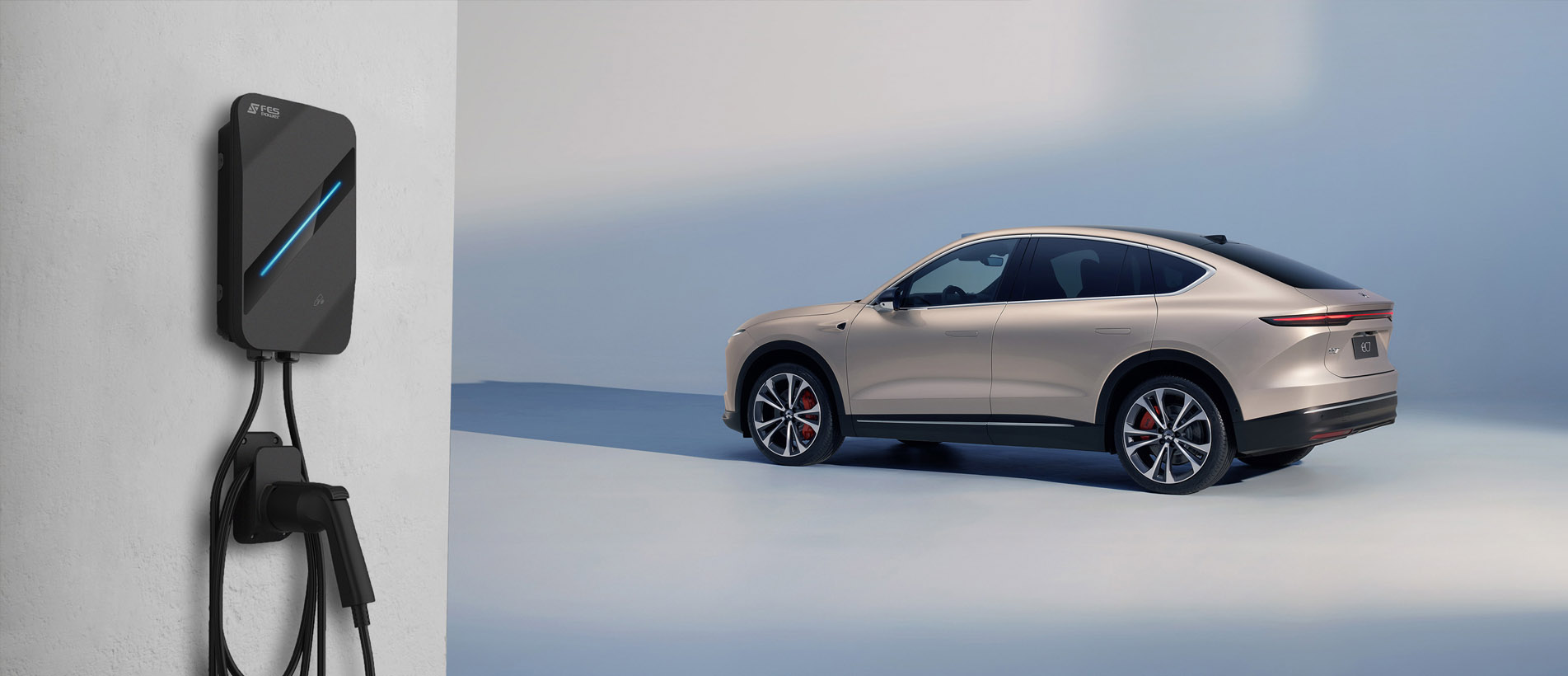
As global EV adoption accelerates, fast-charging infrastructure has become a core indicator of a city’s electrification progress. Increasingly, attention is shifting beyond charging speed alone—toward the inner structure that enables stable, safe and intelligent power delivery.
Recent discussions in the industry highlight several structural components that define modern DC charging systems.
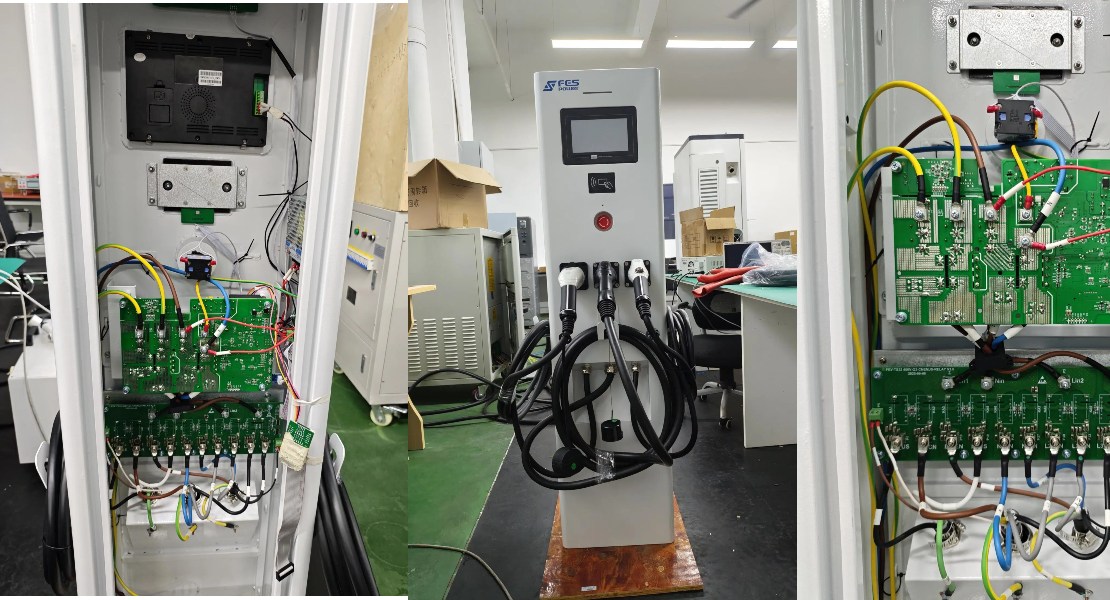
Key Components Driving Modern DC Charging
1. Power Conversion Moves to the Center
The heart of every fast charger is its AC–DC conversion module. These power modules determine charging speed, stability and efficiency.
The trend is moving toward modular high-efficiency units, allowing operators to scale power output or replace modules without shutting down the entire charger.
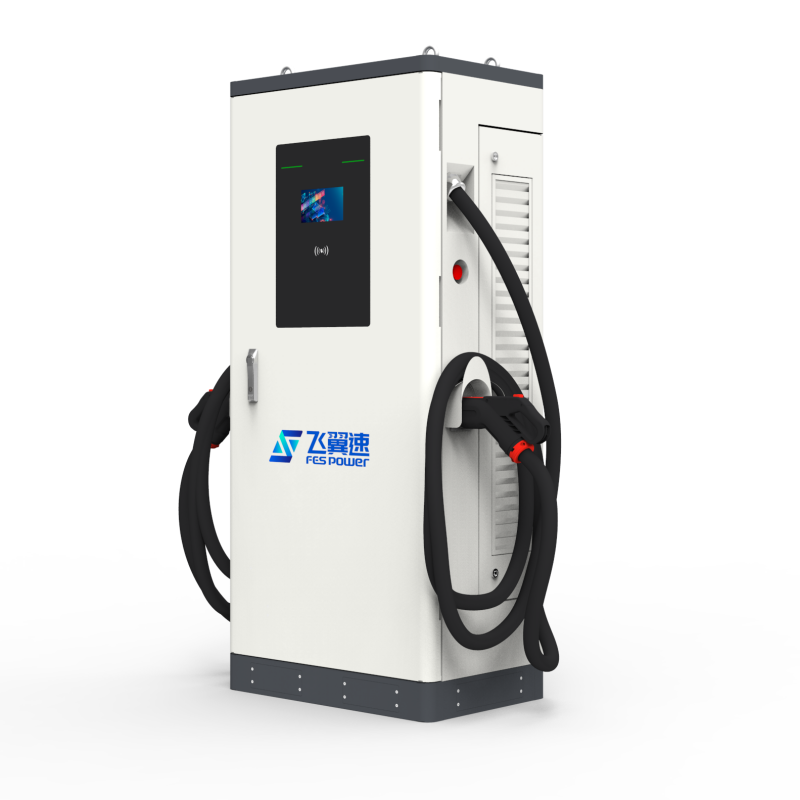
The FES Power D30 follows this direction, offering 120kW and 160kW configurations built from 30kW or 40kW modules for flexible deployment.
2. Communication Systems Become Smarter
As EVs adopt more advanced battery management systems, the charger’s control logic must handle richer communication protocols.
Technologies such as ISO 15118, Plug & Charge, and OCPP connectivity allow chargers to integrate into cloud platforms that manage billing, diagnostics, and smart load allocation.
The D30 integrates ISO 15118 support, a 7-inch interactive display, and full OCPP connectivity for seamless backend management.
3. Output Hardware Adapts to High Voltage Vehicles
Next-generation EVs increasingly rely on 800V or higher battery systems.
Modern chargers must therefore support wide-range voltage output and high current capacity.
FES Power’s D30 delivers 200–1000V output through a CCS2 connector with up to 250A, compatible with mainstream and upcoming EV platforms.
4. Structural Reliability Gains Importance
With more chargers installed outdoors, durability is now a deciding factor for operators.
Industry designs are shifting toward higher protection levels, vandal-resistant structures, and improved thermal systems for sustained high-power operation.
The D30 uses IP54 ingress protection, IK10 mechanical resistance, and forced-air cooling to maintain performance across challenging environments.

The Bigger Picture
As the EV landscape expands, the internal architecture of charging stations is becoming a competitive differentiator. Efficiency, communication intelligence, structural resilience, and future-proof voltage compatibility are now as critical as charging speed itself.
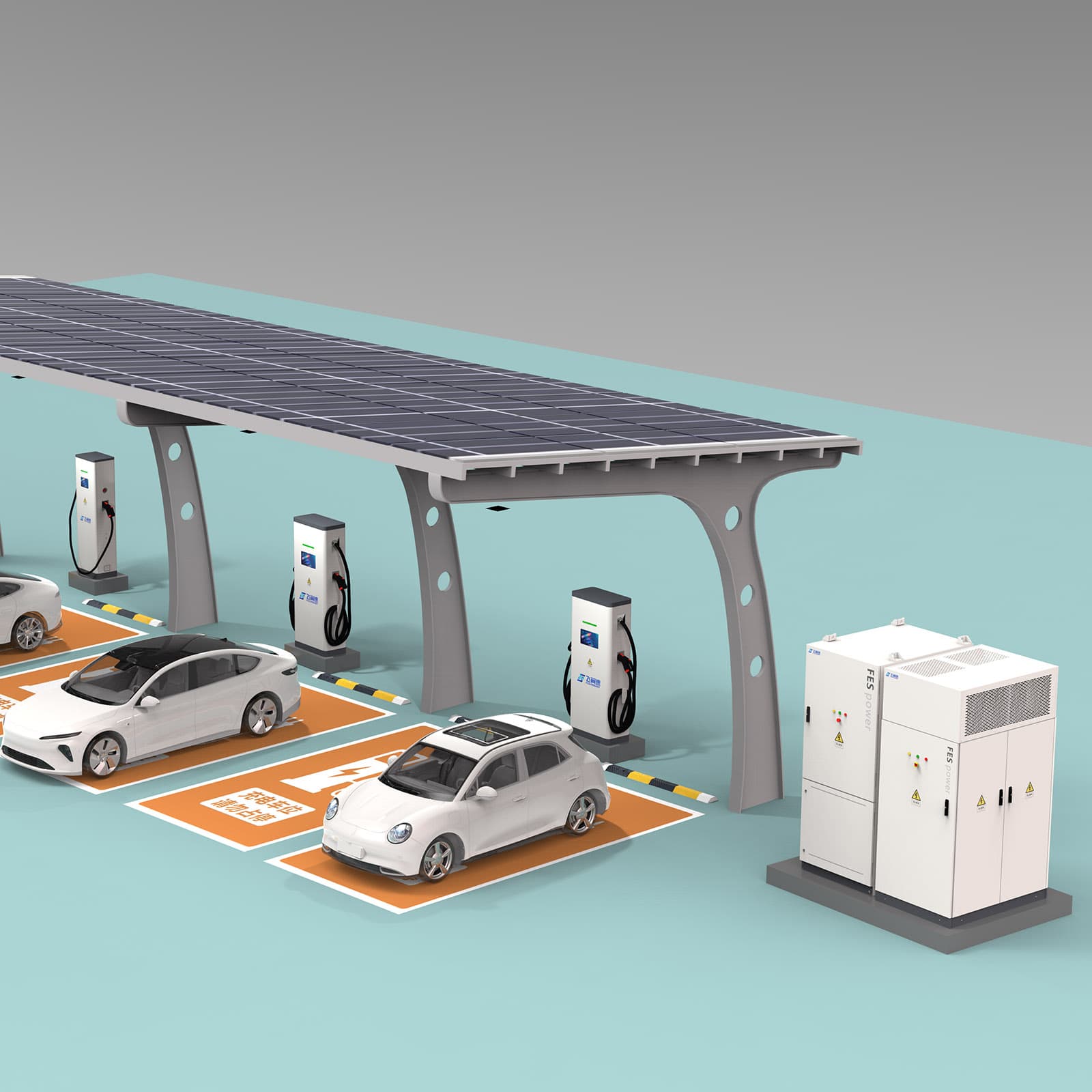
FES Power’s D30 series illustrates how these elements combine in a modern DC charger, offering operators a balanced package for public stations, fleet depots, and commercial charging hubs worldwide.
More details available at:



 IPv6 network supported