- Call Us : +86-15060765919
- Mail Us : bella@fespower.cn
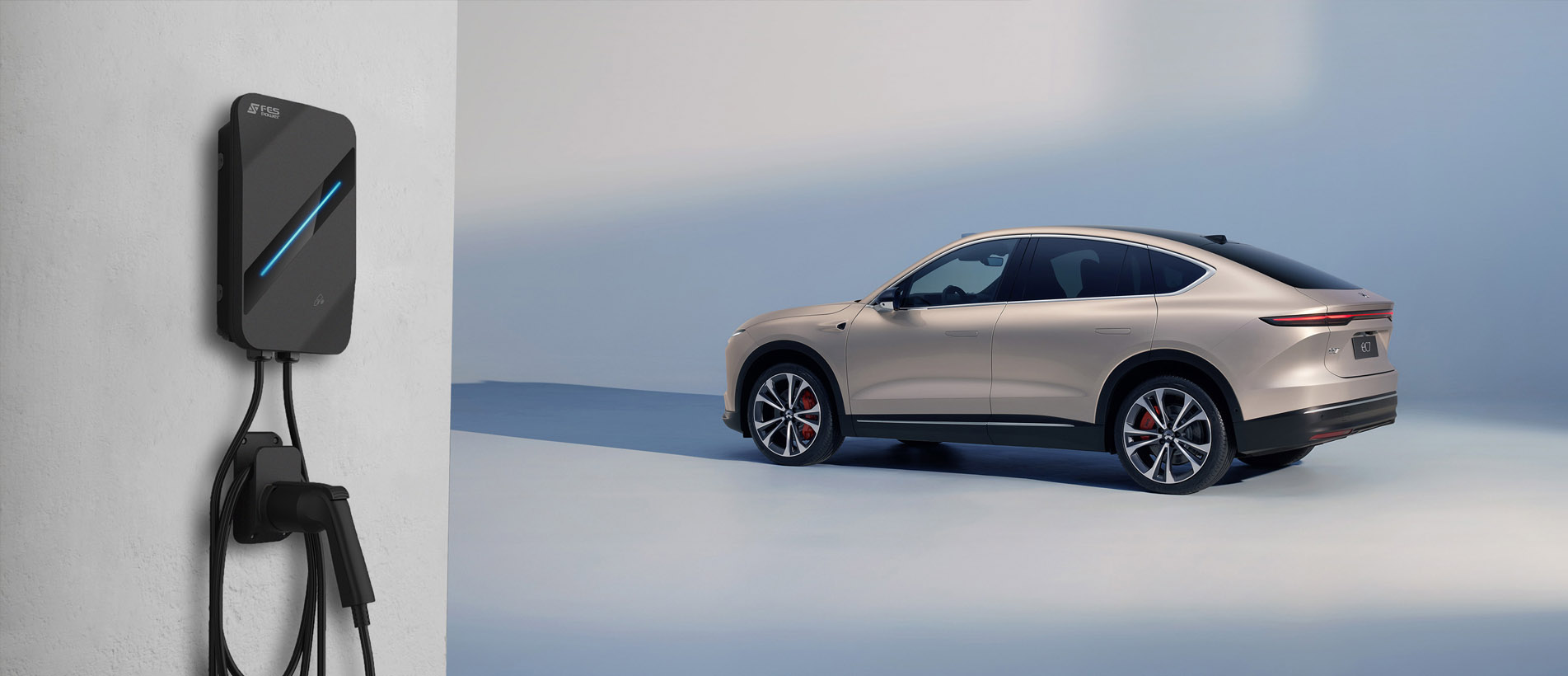
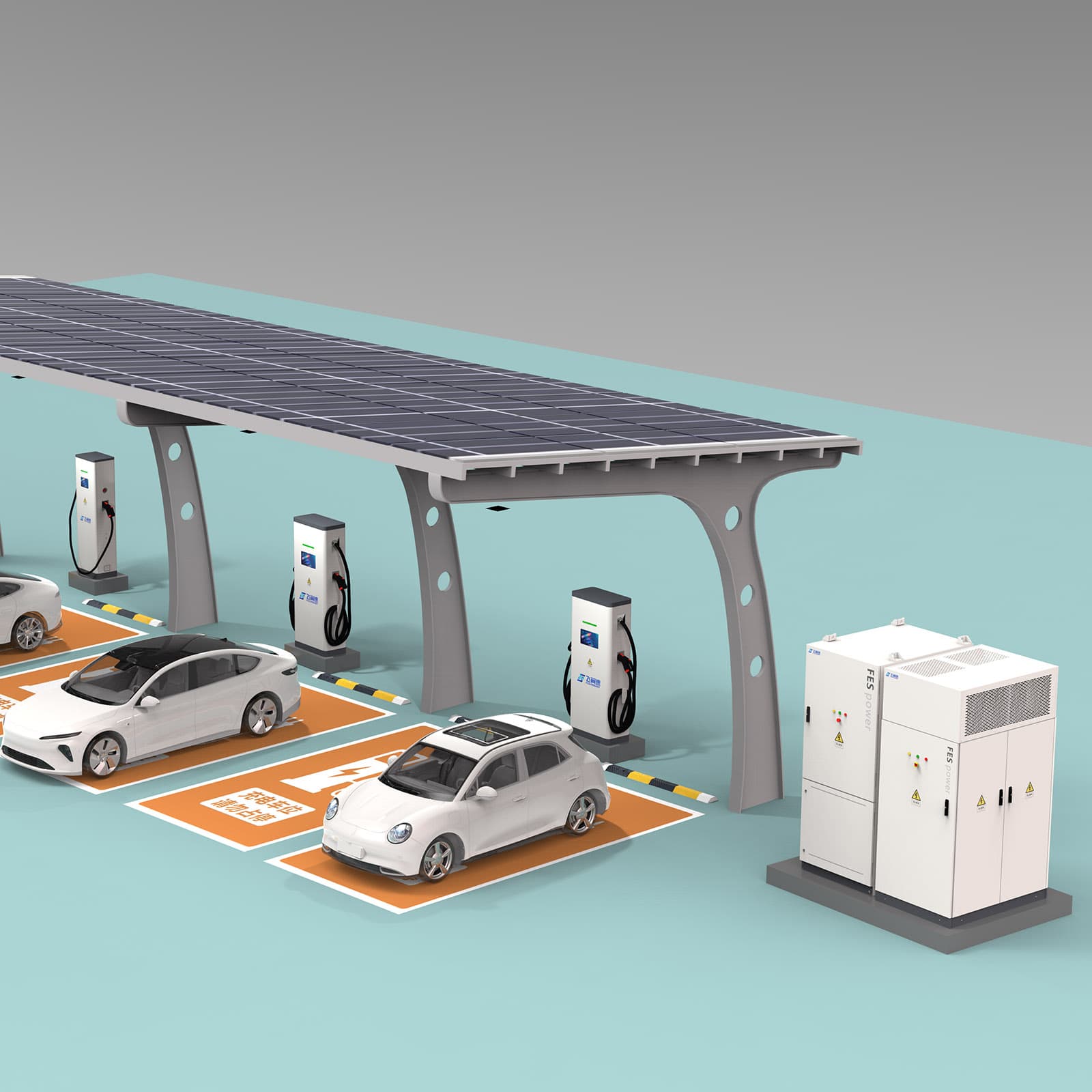
As global EV adoption accelerates, the role of battery energy storage in charging infrastructure is rapidly expanding. With fast-charging power increasing from 120 kW to 720 kW and beyond, energy storage systems (ESS) are becoming an essential component for stabilizing grid loads, reducing peak electricity costs, and ensuring consistent charging performance. Looking ahead, several emerging battery technologies are expected to redefine how charging stations are built and operated in the next decade.
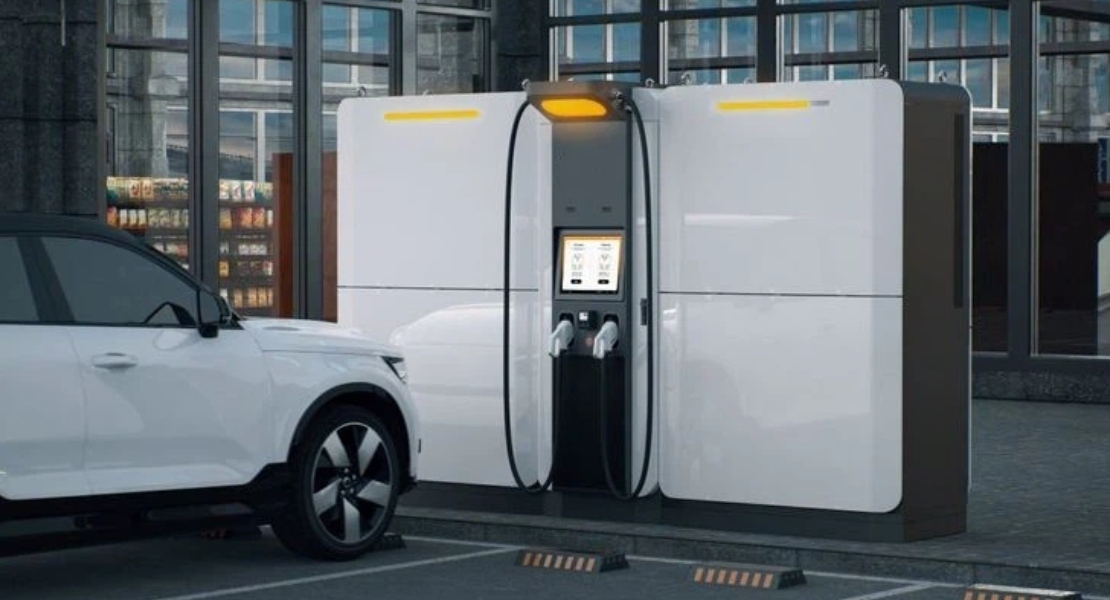
Today, most ESS-equipped charging stations rely on lithium-based chemistries—primarily Lithium Iron Phosphate (LFP) and Ternary Lithium (NCM/NCA). LFP remains the mainstream choice due to its strong safety profile, long cycle life, and cost efficiency, making it ideal for large-scale public fast-charging sites. Meanwhile, NCM and other ternary-lithium batteries provide the high energy density and fast charge–discharge capabilities required for ultra-fast charging hubs and space-limited installations. However, as charging demand continues to escalate, the industry is already looking beyond these two chemistries.
One promising contender is the sodium-ion battery, which has gained significant attention for its excellent low-temperature performance, low material cost, and high safety. These characteristics make sodium-ion especially appealing for charging stations in cold climates or cost-sensitive regions. As manufacturing capacity grows, sodium-ion is expected to become a major new option for large-capacity ESS deployments.
Looking further into the future, solid-state batteries are widely regarded as the next milestone for energy storage. Their solid electrolytes enable extremely high safety, exceptional cycle life, and energy densities far exceeding conventional lithium batteries. While still in the early stages of commercialization, solid-state ESS could unlock new possibilities for ultra-compact, ultra-high-power charging stations—enabling stable operation even where grid limitations previously made fast charging infeasible.
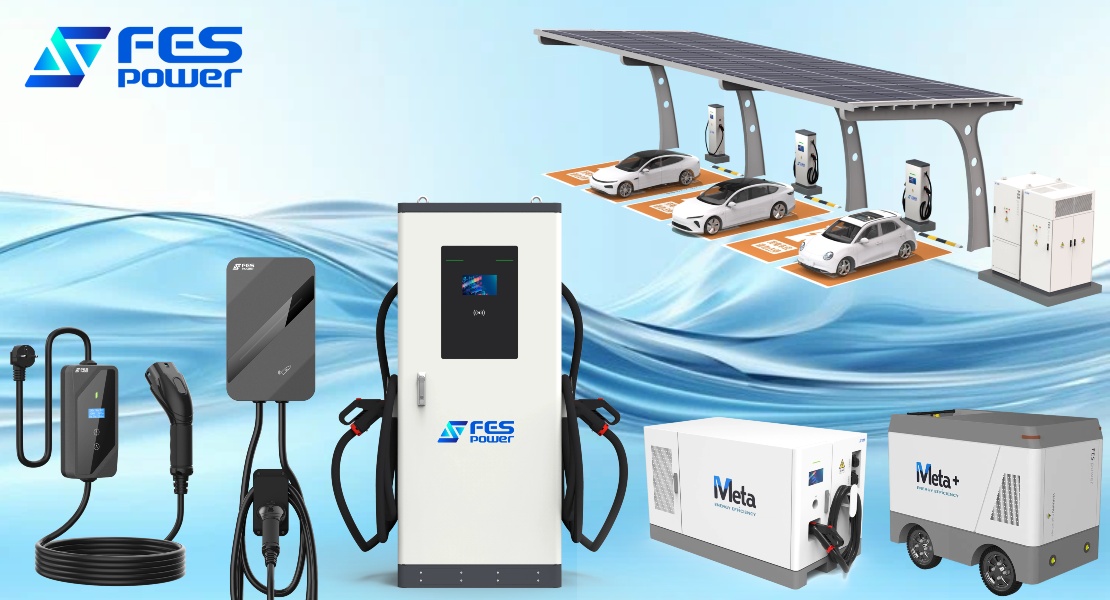
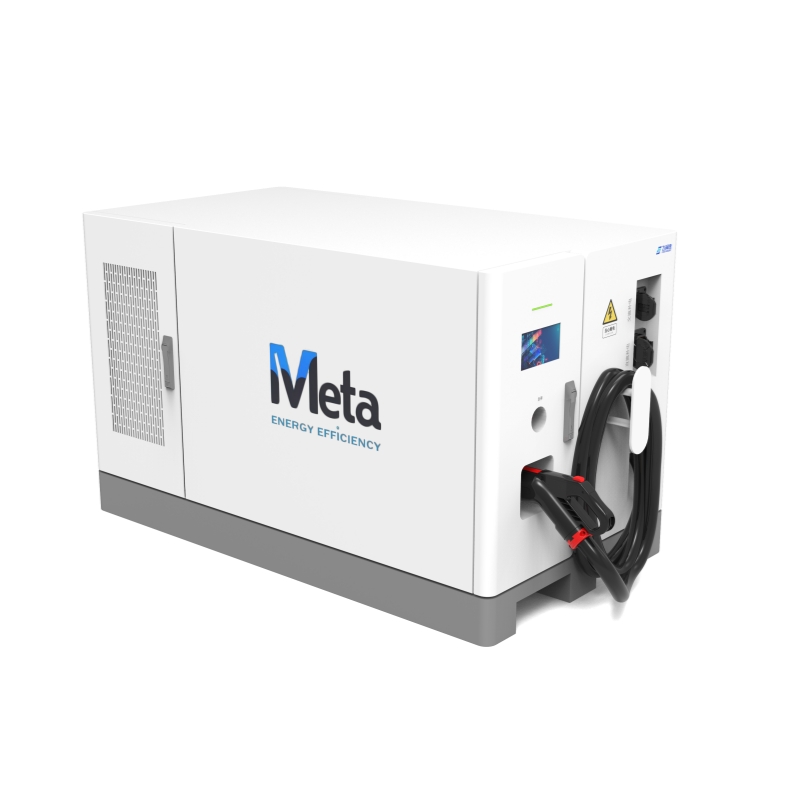
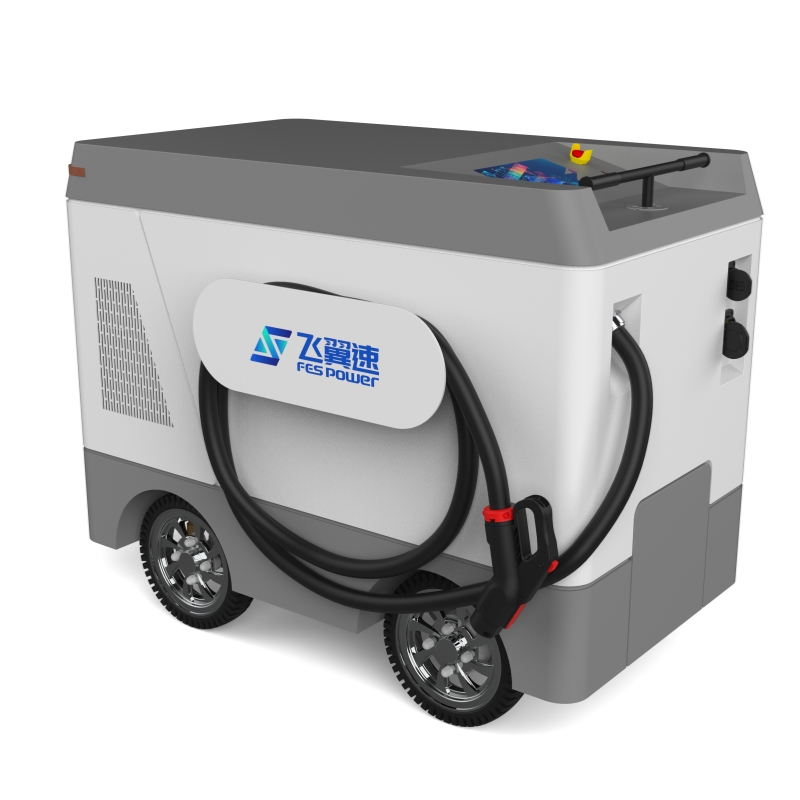
At FES Power, we closely track and integrate these advancements into our next-generation ESS solutions. Our containerized and cabinet-based energy storage systems currently support LFP, NCM, and sodium-ion chemistries, with future compatibility planned for solid-state technologies as they mature. Combined with FES Power’s intelligent EMS platform, these systems help charging operators reduce energy costs, enhance station reliability, and prepare for the rapidly evolving demands of EV infrastructure.
The future of EV charging will be shaped by batteries that are safer, more efficient, more affordable, and more adaptable to extreme environments. As these technologies advance, energy-storage-supported charging stations will play a critical role in delivering fast, reliable, and grid-friendly charging experiences worldwide.



 IPv6 network supported