- Call Us : +86-15060765919
- Mail Us : bella@fespower.cn
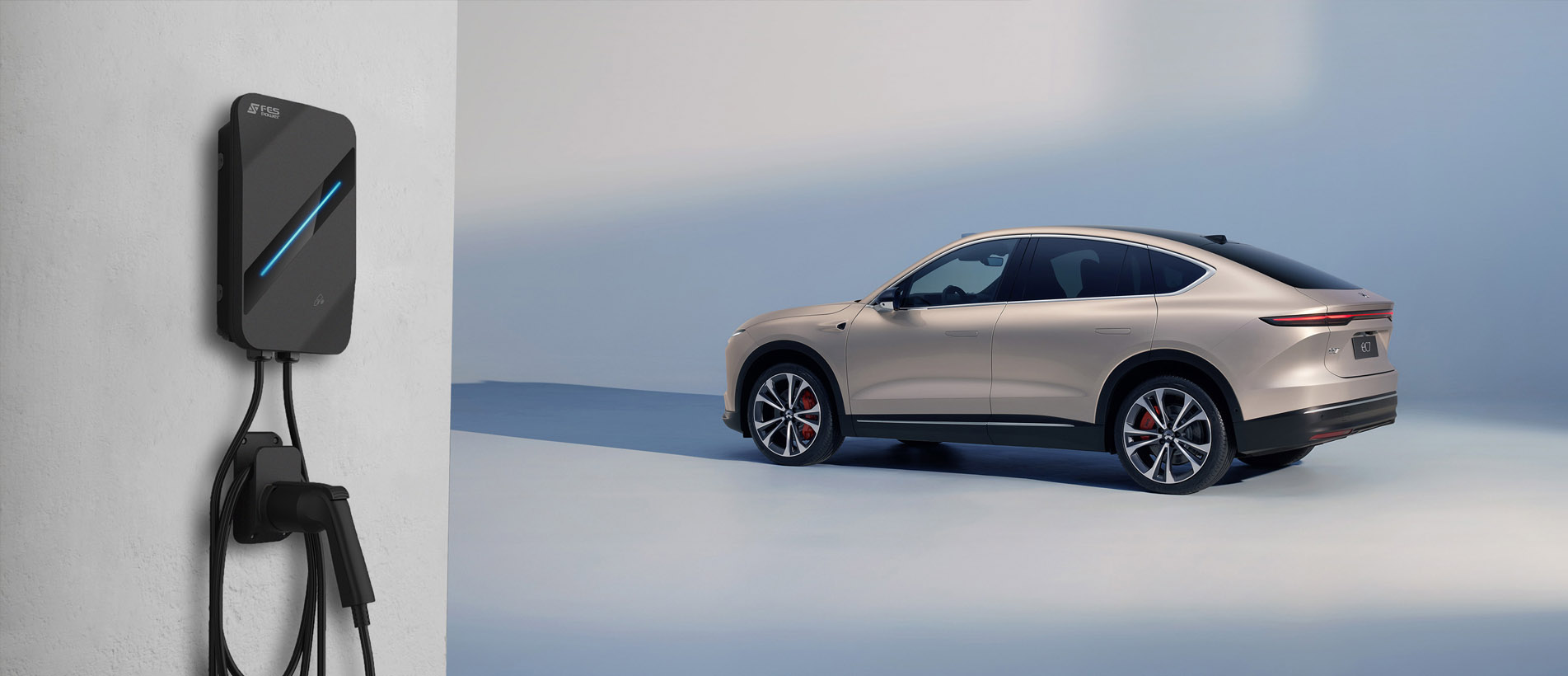
As the EV charging market evolves, B2B customers are rethinking one long-held assumption:
Is higher charging power always better?
Across commercial EV charging projects, a clear shift is emerging. Instead of prioritizing maximum power ratings, more businesses are choosing DC chargers with customizable power configurations—solutions designed to match real-world site conditions, grid capacity, and operational needs.
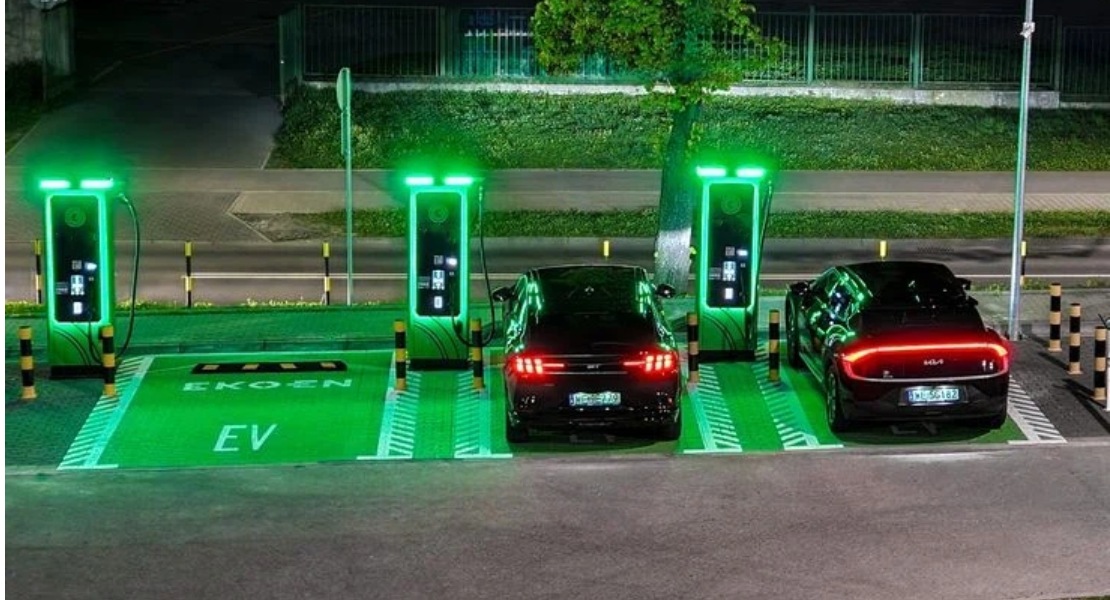
From Power Numbers to Practical Deployment
For B2B applications, EV chargers are not marketing showcases but long-term infrastructure assets. Fixed-power DC chargers often introduce challenges during deployment, including grid capacity limitations, higher upfront investment, and reduced flexibility for future expansion.
In many commercial environments—such as parking facilities, hotels, fleet depots, and industrial parks—existing electrical infrastructure simply does not support ultra-high power charging without significant upgrades. As a result, over-specifying power can increase costs without delivering proportional business value.
Why Customizable Power Matters to B2B Buyers
Customizable-power DC chargers allow businesses to align charging capacity with actual demand. This approach enables lower initial capital expenditure, smoother project rollout, and better long-term scalability.
Different use cases require different strategies. Commercial parking locations often prioritize balanced power distribution, while fleet and logistics operators focus on reliability and predictable performance. In these scenarios, flexibility is far more valuable than peak charging speed.
FES Power: Flexible DC Charging for Real Projects
To address these needs, FES Power offers DC EV charging solutions with customizable power configurations and small-batch customization support. Designed with modular architecture, FES Power chargers allow B2B customers to deploy charging infrastructure that fits current requirements while remaining adaptable for future growth.
This flexibility makes them suitable for pilot projects, regional deployments, and commercial applications where grid conditions or demand may change over time.
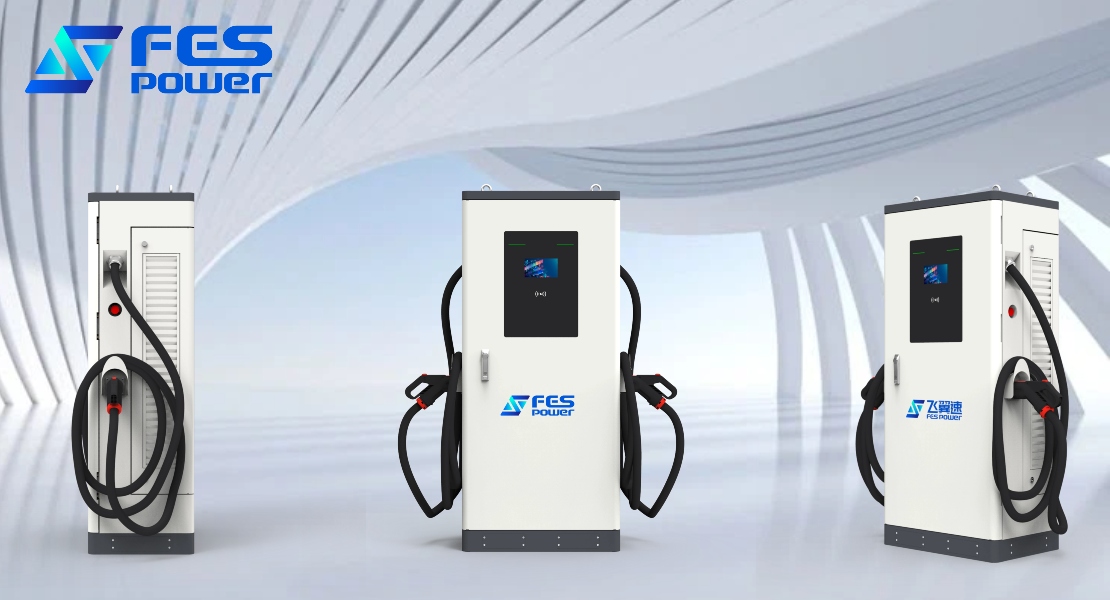
Looking Ahead
As the market matures, B2B buyers are moving away from one-size-fits-all solutions. Customizable-power DC charging is quickly becoming a practical standard rather than a niche option.
For businesses planning EV charging projects, the key question is no longer “How powerful should the charger be?” but “How well does it fit the project?”



 IPv6 network supported