
⚡A Beginner-Friendly Guide to Choosing the Right Home & Portable Charging Solution
After buying an electric vehicle, many owners quickly face a very practical question: “What kind of charging equipment is actually suitable for my home? Should I install a fixed home charger, or choose a portable charger?”
For first-time users, it is easy to feel overwhelmed by power ratings, connectors, and technical specifications.
This article is written in a purely educational and beginner-friendly way. Starting from different household and usage scenarios, it will help you clearly understand:
The difference between fixed home EV chargers and portable chargers
Which type of charging solution fits different household needs
What core performance standards a home charging device should meet
How to configure functions based on your real usage requirements
Even if you are completely new to EV charging, you will be able to make a confident decision after reading this guide. ✅
🤔 Do You Really Need to Install a Fixed Home EV Charger?
This is often the very first question EV owners ask.
The answer is: not necessarily.
Today, home charging solutions generally fall into two categories:
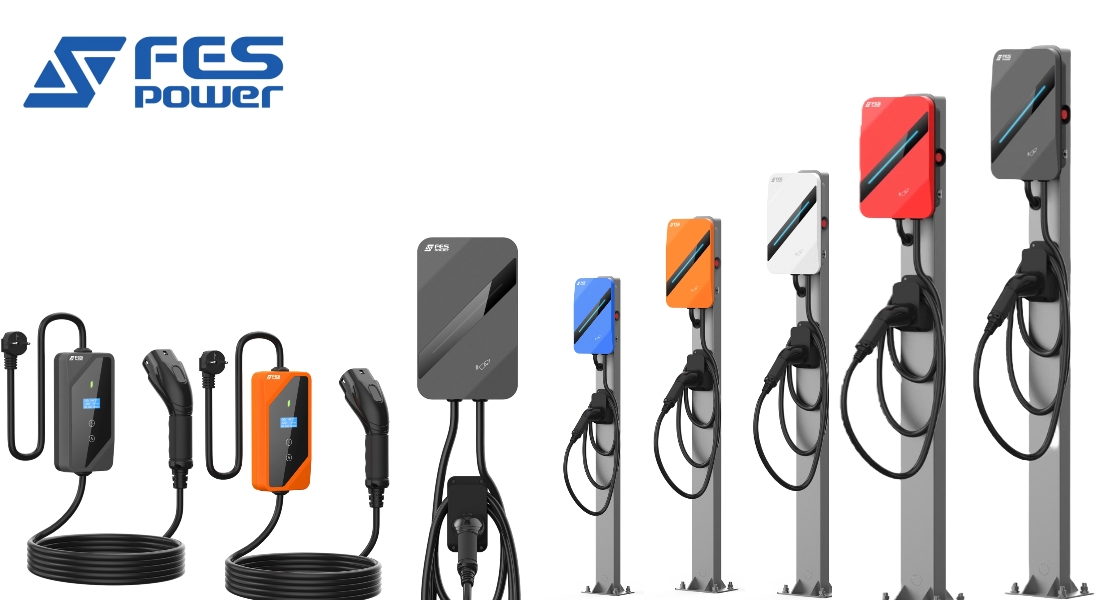
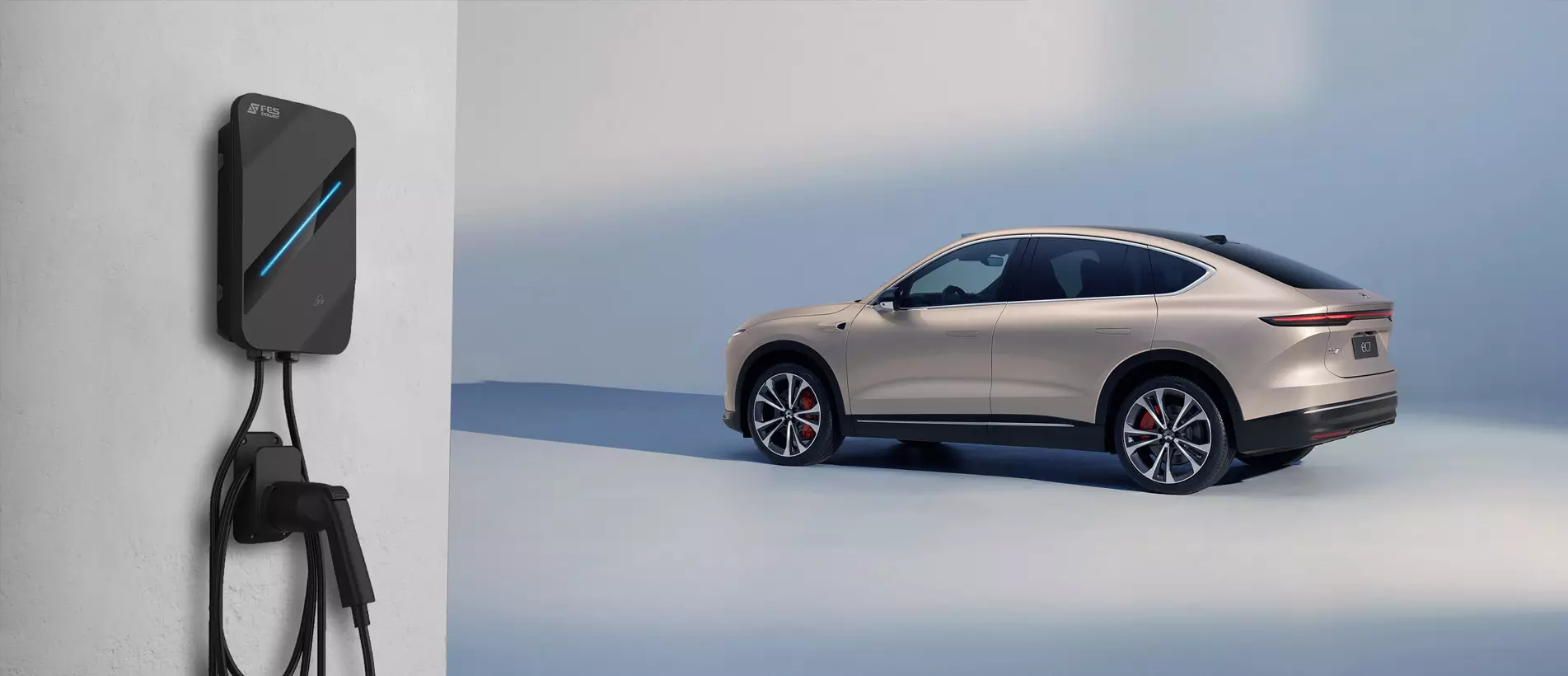
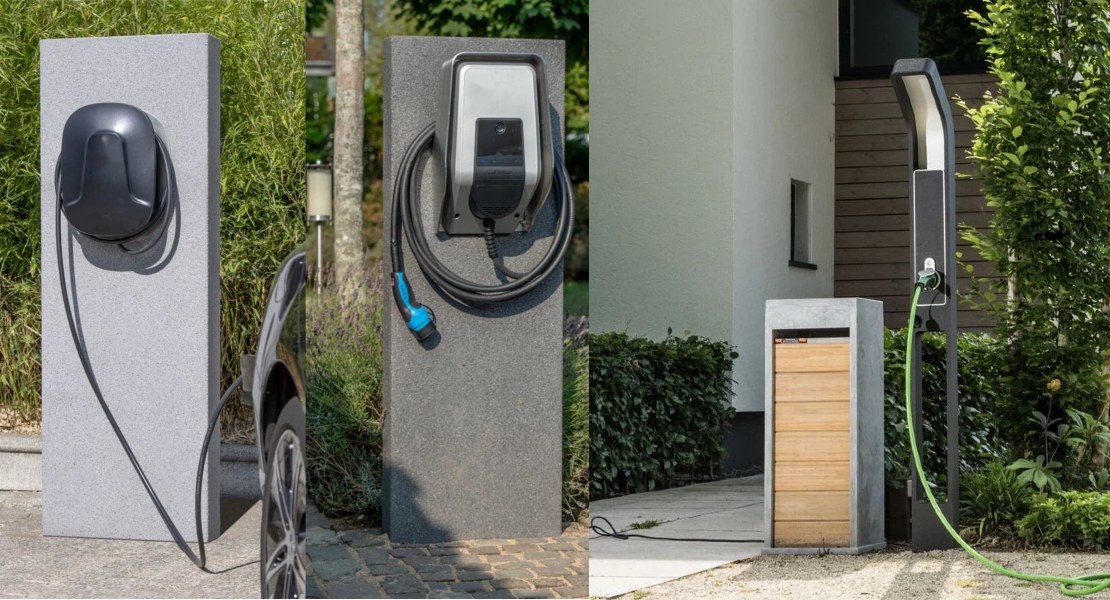
🔹 Fixed home EV chargers: Wall-mounted or pedestal-mounted units designed for long-term installation
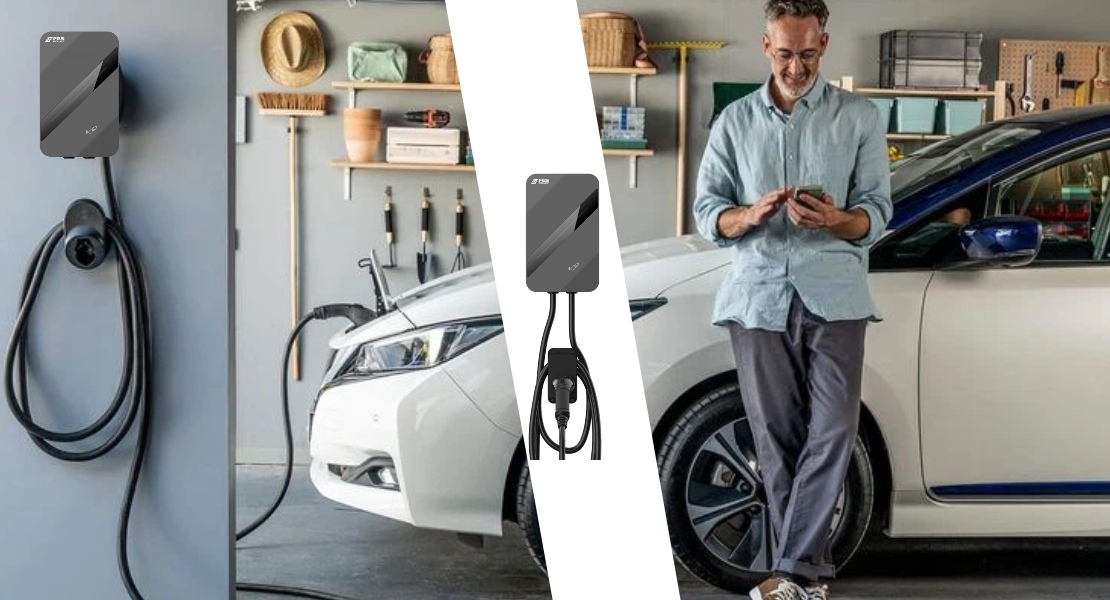
🔹 Portable EV chargers: Plug-and-play devices that can be carried with the vehicle and used in multiple locations calmly
Different household conditions naturally lead to different optimal choices.
🏠 Which Households Are Better Suited for Fixed Home EV Chargers?
If the following describes your situation:
✔️ You have a dedicated parking space (private garage or long-term parking spot)
✔️ Most charging happens at home
✔️ You prefer stable, automated, and hands-off charging
Then a fixed AC home EV charger is likely the best solution.
What Are the Advantages of Fixed Home EV Chargers?
⚡ Stable power output, ideal for long-term battery-friendly charging
🛡️ Comprehensive safety protection systems
📱 Optional smart features such as app control and scheduled charging
🔌 Well-suited for daily, routine charging
A fixed charger functions much like home infrastructure—installed once and used reliably for years.
🧳 Who Should Consider a Portable EV Charger Instead?
For users with more flexible living or driving patterns, portable chargers can be a smarter and more practical choice.
❓ Which Users Are Strongly Recommended to Choose Portable Charging?
✔️ Renters who cannot install a fixed charger
✔️ Drivers who frequently travel or drive across cities
✔️ Users who want one device for multiple charging scenarios
✔️ Households that want a backup solution alongside a fixed charger
The core advantage of portable chargers is simple but powerful:
👉 flexibility, mobility, and freedom from installation constraints.
⚙️ What Core Performance Standards Should a Home Charging Device Meet?
Whether fixed or portable, the following factors are essential.
❓ How Should You Choose the Right Power Level?
✅For most households:
🔹 7 kW AC charging already meets over 90% of daily home charging needs
🔹 Overnight charging for 6–8 hours is usually sufficient for next-day commuting
Bigger is not always better. The key is: 👉 matching your household electrical capacity with your driving habits.
❓ What Safety Features Are Truly Important?
For home charging equipment, safety always comes first.
Key protections to look for include:
🛡️ Residual current (leakage) protection
🔥 Overvoltage, overcurrent, and overtemperature protection
⚡ Automatic power cutoff in case of electrical abnormalities
💧 Adequate enclosure protection (IP54 or higher recommended)
For portable chargers in particular, stable performance across different environments is critical.
❓ Are Smart Features Really Necessary?
For some users, smart functions are optional; for others, they significantly enhance daily experience.
Common practical smart features include:
📱 App-based remote control
⏰ Scheduled charging to avoid peak electricity rates
📊 Charging data and energy tracking
🔄 OTA firmware upgrades
Whether to include them depends entirely on personal preference and usage habits.
🔍 EP01 & EP02: Which Portable EV Charger Fits You Best?
❓ Who Is EP01 Designed For? 🧳⚡
EP01 is positioned as a lightweight, practical, plug-and-play portable charger.
Ideal for users who:
✔️ Live in rental properties or temporary residences
✔️ Want a charger they can always keep in the vehicle
✔️ Have basic functional needs but prioritize safety and reliability
Typical use scenarios:
Home standard power outlets
Temporary parking locations
Backup charging alongside a fixed home charger
❓ Who Should Choose EP02? 📱🔌
EP02 is a more advanced portable charging solution with enhanced functionality.
Ideal for users who:
✔️ Frequently drive across cities or regions
✔️ Want one device to cover multiple charging environments
✔️ Value smart control and functional scalability
Key characteristics:
Stronger feature expandability
Multiple optional configurations available
A balance between portability and enhanced user experience
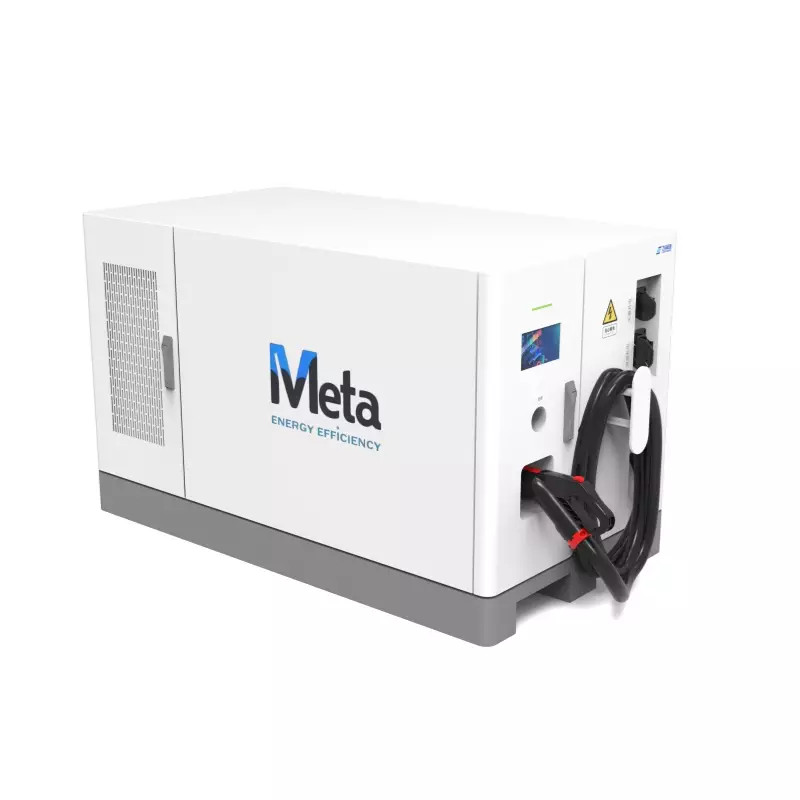
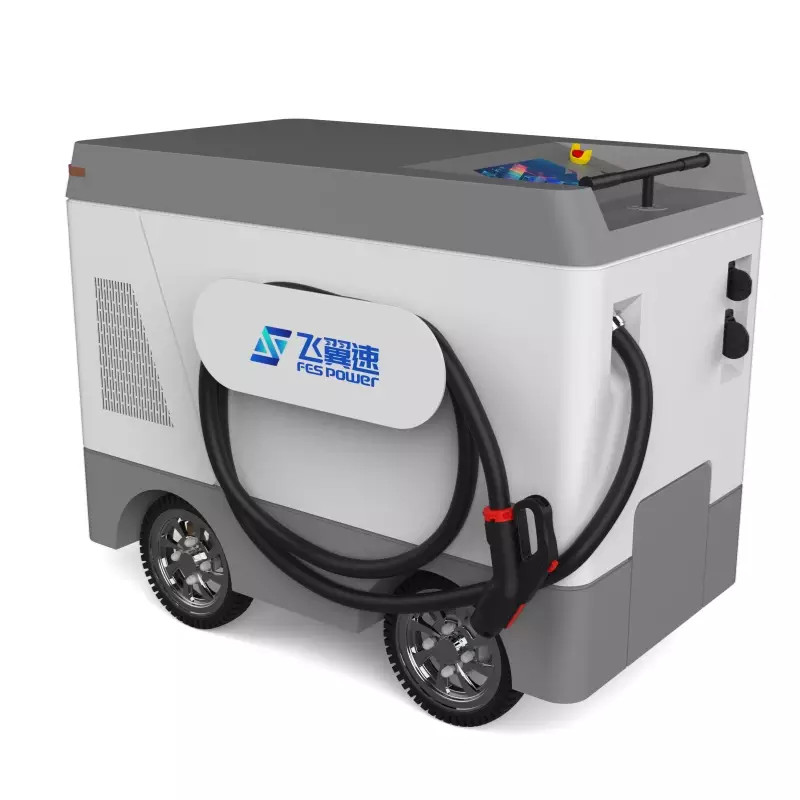
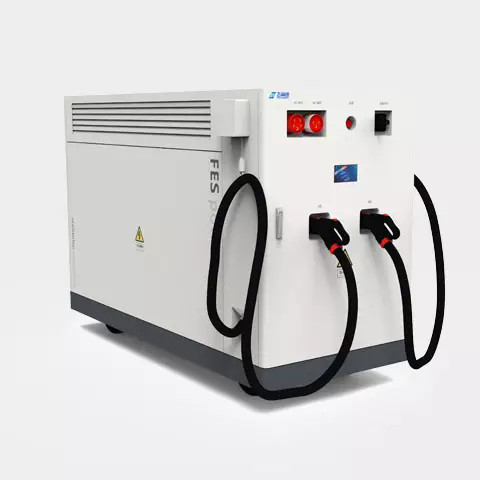
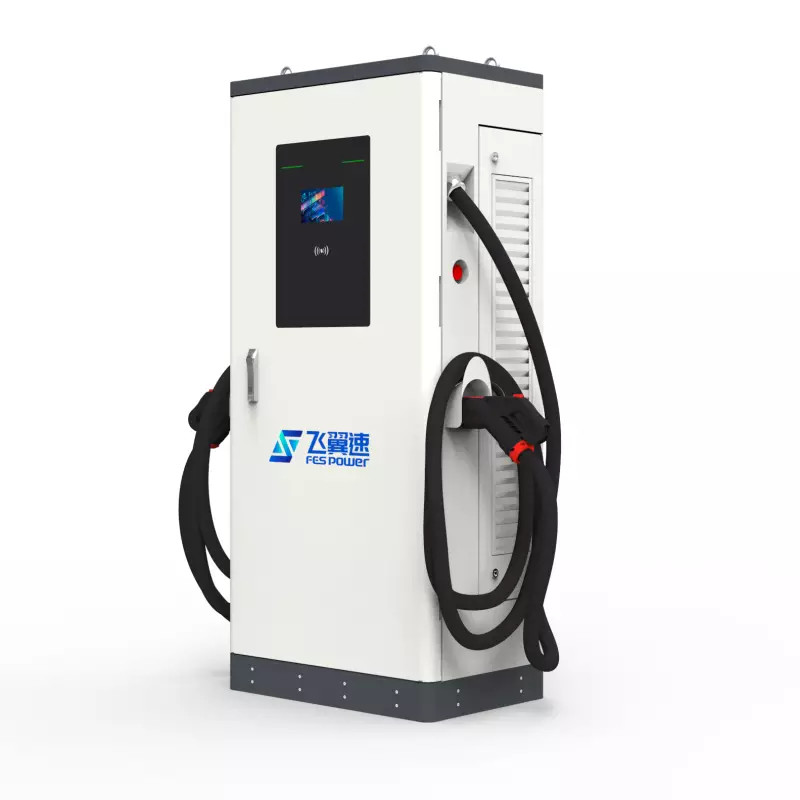
🔋 EC01: When Does DC Charging Make Sense at Home?
While AC charging remains the mainstream choice for residential use, some households have special requirements, such as:
✔️ Extremely high vehicle usage frequency
✔️ Strict demands on charging time
✔️ Special vehicle types or application scenarios
EC01 provides a DC charging solution, typically suited for customized residential setups or semi-commercial applications.