Jun 01, 2026
The rapid growth of electric vehicles is creating exciting opportunities for charging station operators worldwide. However, while EV adoption continues to accelerate, profitability remains one of the biggest challenges facing charging infrastructure investors.
💰 High electricity costs, grid limitations, demand charges, and underutilized assets can significantly impact the financial performance of charging stations. This has led many operators to ask an important question:
👉 Can battery energy storage actually make EV charging profitable?
✅ The answer is increasingly becoming "yes."
⚠️ The Hidden Challenge Behind EV Charging
🔌 Many people assume that installing chargers is enough to create a successful charging business. In reality, operating a charging station involves much more than simply delivering electricity.
⚡ For example, a DC fast charger may require hundreds of kilowatts of power during peak charging periods. When multiple vehicles charge simultaneously, the site's power demand can spike dramatically.
📈 These spikes often result in:
💸 High demand charges from utilities
🏗️ Expensive grid upgrades
📊 Increased operating costs
⏳ Longer project deployment timelines
🚧 As a result, charging station profitability can be much lower than expected, especially in locations with limited grid capacity.
🔋 What Is Battery Energy Storage?
Battery Energy Storage Systems (BESS) store electricity when demand is low or electricity prices are cheaper. The stored energy can then be released when demand increases.
⚙️ For EV charging operators, battery storage acts as an energy buffer between the power grid and charging equipment.
🔄 Instead of drawing all charging power directly from the grid during peak periods, part of the energy can come from the battery system.
✨ This simple concept creates several significant business advantages.
1. Reducing Peak Demand Charges
📉 One of the biggest operational expenses for commercial charging stations is demand charges.
🏢 Utilities often charge customers not only for the electricity consumed but also for the highest power demand reached during a billing period.
⚠️ For example, if a charging site briefly reaches a high power peak, the operator may face substantial additional fees.
🔋 Battery storage helps by supplying part of the charging energy during these peak moments, reducing the site's maximum grid demand.
✅ This strategy, commonly known as "peak shaving," can significantly lower monthly electricity costs.
2. Avoiding Expensive Grid Upgrades
📍 Many promising charging locations lack sufficient grid capacity to support high-power chargers.
💵 Traditionally, operators would need to invest heavily in transformer upgrades, new electrical infrastructure, or lengthy utility approval processes.
🔋 Battery storage offers an alternative approach.
⚡ By combining charging equipment with energy storage, operators can deploy higher charging capacity without requiring immediate grid expansion.
🚀 This can shorten project timelines and reduce upfront investment costs.
3. Increasing Energy Flexibility
📊 Electricity prices fluctuate throughout the day in many markets.
🔋 Battery systems allow operators to store energy during off-peak periods when rates are lower and use that energy during expensive peak-price periods.
💡 This energy arbitrage strategy helps optimize operating costs and improve overall station economics.
📈 As electricity markets become more dynamic, this flexibility becomes increasingly valuable.
4. Improving Charging Reliability
🌍 Grid instability remains a challenge in some regions, particularly in emerging markets and remote locations.
🔋 Battery storage can provide backup power and stabilize charging operations during voltage fluctuations or temporary outages.
✅ For charging station operators, higher reliability means:
😊 Better customer experience
⏱️ Reduced downtime
📈 Increased charger utilization
🌟 Stronger brand reputation
5. Supporting Future Expansion
📈 As EV adoption continues to grow, charging demand is expected to increase significantly.
🔋 Sites that install battery storage today gain greater flexibility to expand their charging capacity in the future.
🏗️ Instead of rebuilding electrical infrastructure every time demand increases, operators can scale their systems more efficiently.
💎 This helps protect long-term investment value.
⚡ How FES Power Supports Smarter EV Charging
At FES Power, we believe the future of EV charging is not just about delivering power—it is about managing energy intelligently.
Our solutions combine EV charging technology with advanced energy storage capabilities to help operators improve efficiency, reduce operational costs, and maximize return on investment.
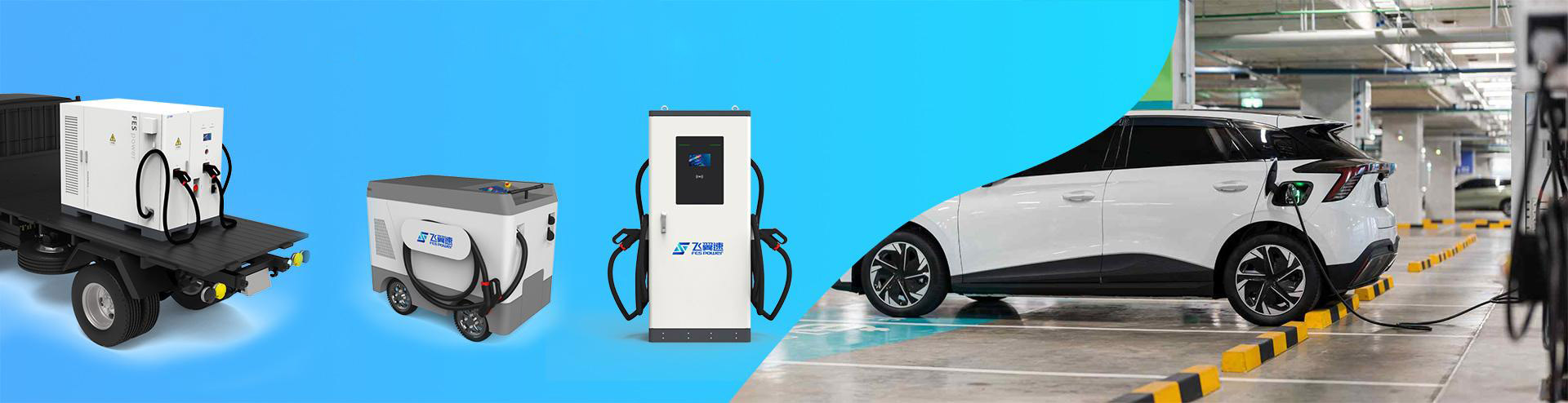
🛠️ For projects requiring integrated charging and storage solutions, our Cannon 300 Energy Storage System provides reliable energy buffering and load management capabilities.
🚚 For locations that require flexible deployment or temporary charging support, our **Meta Mobile Charging and Energy Storage Solution** combines mobility with energy independence, making it suitable for events, fleet operations, emergency charging services, and areas with limited grid access.
🤝 Together with our AC and DC charging products, these solutions help operators build scalable charging infrastructure while addressing real-world energy challenges.
🎯 The Bottom Line
🚗 EV charging profitability is no longer determined solely by charger utilization rates.
📊 Energy management has become a critical factor in the financial success of charging operations.
🔋 Battery energy storage helps reduce electricity costs, avoid costly grid upgrades, improve reliability, and create new opportunities for operational optimization.
💼 For charging station operators looking to maximize long-term returns, integrating battery storage is rapidly becoming not just an option—but a competitive advantage.
🌍 As the EV industry continues to evolve, the combination of charging infrastructure and energy storage will play a key role in building more profitable, resilient, and future-ready charging networks.
Read More






 IPv6 network supported