
- Call Us : +86-15060765919
- Mail Us : bella@fespower.cn
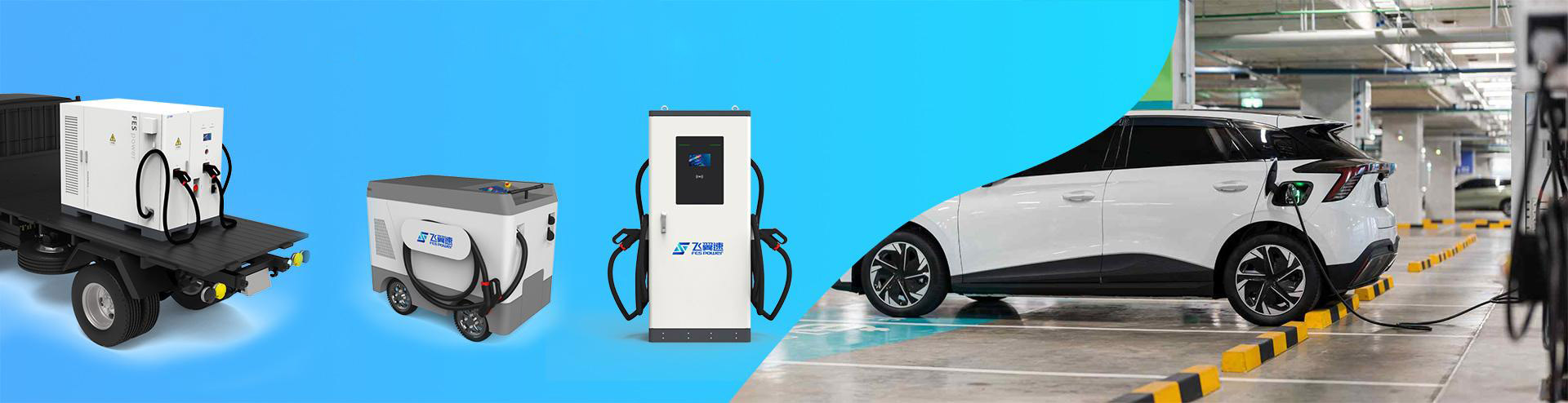
As EV adoption surges worldwide, one challenge becomes unavoidable every winter: how to ensure charging stations stay reliable in freezing climates. Low temperatures affect both electric vehicles and charging infrastructure, making proper equipment selection and winter maintenance essential.
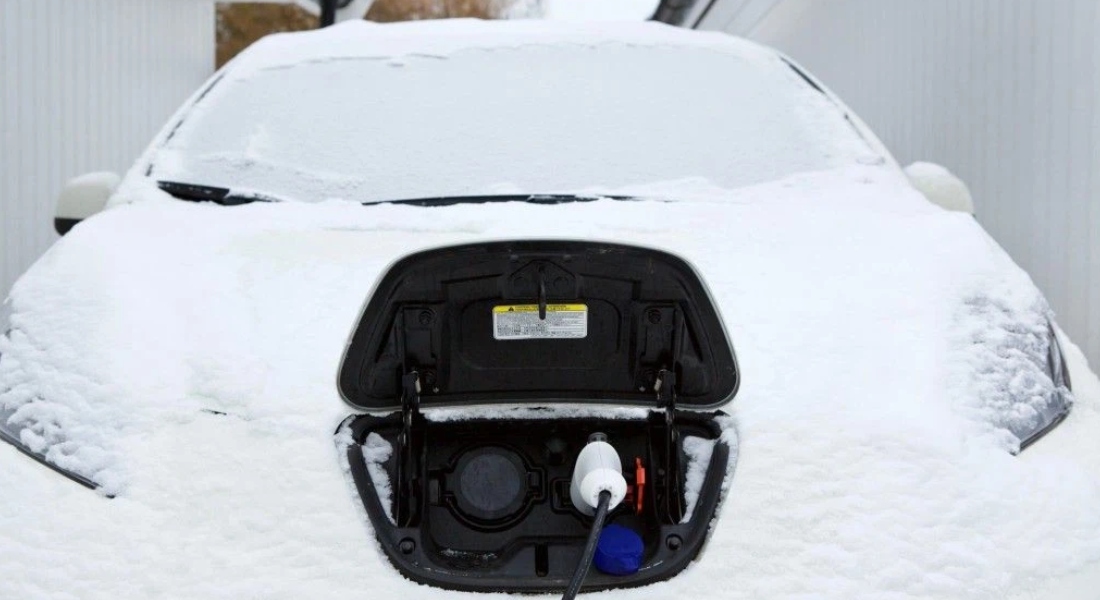
This guide explains the real issues behind winter charging, and how operators can prepare for smooth, uninterrupted performance—powered by FES Power’s winter-ready charging solutions.
❄️ Why Does Low Temperature Affect Charging Efficiency?
Cold weather causes the internal resistance of EV batteries to rise, slowing the charging process. This means:
🔷DC fast chargers may automatically limit output
🔷AC chargers deliver noticeably slower charging
🔷Users may experience longer waiting times
At the device level, low temperatures can also affect internal components such as relays, capacitors, and power modules. In extreme cold (–20°C or below), some chargers may:
🔷Fail to start
🔷Lose power stability
🔷Report frequent faults
FES Power chargers use wide-temperature components validated for harsh climates, ensuring stable performance even in sub-zero conditions.
🔧 What Equipment Features Are Essential for Winter Environments?
To ensure smooth operation in regions that experience severe winter conditions, choosing the right charger is the first step.
1️⃣ Wide-Temperature Power Modules – What Makes Them Important?
Power modules should support –30°C to +55°C and include:
🔸Automatic pre-heating
🔸Temperature-controlled operation
🔸Overheat/overcold protection
Our FES Power DC Fast Charging Series comes equipped with intelligent heating modules and self-adjusting temperature management, guaranteeing full-load operation even in freezing weather.
🧵 Why Do Cable Materials Matter in Winter?
Traditional PVC charging cables harden in winter, making them harder to bend and more likely to crack.
Preferred winter-ready cables should feature:
🔸Low-temperature resistance down to –40°C
🔸High flexibility and durability
🔸Better insulation and safety
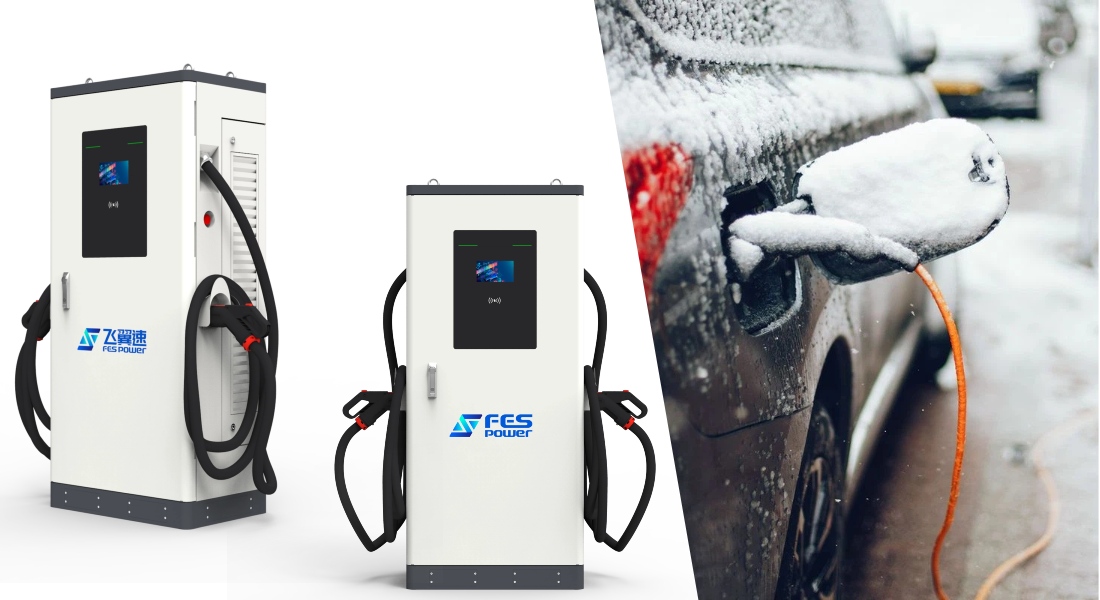
FES Power adopts low-temperature TPE/TPU cables in our AC and DC chargers, ensuring safe and smooth operation in cold environments.
🧠 How Can Smart Control Improve Winter Charging?
Intelligent charging control significantly enhances winter reliability. A good system can:
🔸Detect battery temperature
🔸Adjust output power
🔸Avoid cold-state fast charging stress
🔸Improve charging efficiency
FES Power’s software platform includes smart thermal adaptation algorithms, optimizing charging curves for winter performance and extending battery lifespan.
🔍 What Maintenance Steps Should Operators Take in Winter?
1️⃣ How to Check Heating & Cooling Components?
Operators should regularly inspect:
🔷Heating plates
🔷Cooling fans
🔷Thermal controllers
🔷Air filters
A single temperature-control failure can cause the entire charger to stop working.
2️⃣ How to Prevent Moisture, Snow, and Ice in Charging Guns?
Charging connectors are sensitive in winter. Operators should prevent:
🔷Ice buildup in the gun head
🔷Water entering the contacts
🔷Snow accumulation inside holsters
FES Power recommends using protective gun covers and station-level canopies to reduce winter risks.
3️⃣ What Should Be Included in a Winter Inspection Routine?
Daily or weekly checklists should include:
🔷Power module temperature
🔷Contactors' actuation status
🔷Cable flexibility
🔷Corrosion or ice formation
🔷Station insulation and sealing
These measures significantly reduce cold-weather failures.
4️⃣ How Can Remote Monitoring Improve Reliability?
With a smart backend platform, operators can track:
🔷Real-time temperature
🔷Power fluctuations
🔷Fault codes
Offline alerts
FES Power’s cloud platform offers 24/7 intelligent diagnostics, enabling fast issue detection and remote troubleshooting during freezing conditions.
🏗 How Can Operators Improve User Experience in Winter?
1️⃣ Should Chargers Use a “Low-Temperature Mode”?
Yes—gradually increasing charging power protects both the vehicle battery and the charger.
2️⃣ Do Charging Stations Need Extra Protection?
Winter enhancements may include:
🔸Windbreak sheds
🔸Heated equipment rooms
🔸Insulated cable pits
🔸Ground-level drainage optimization
3️⃣ What Tips Should Be Shown to End Users?
Recommended on-screen/App notifications:
🔸Preheat the EV battery before charging
🔸Avoid charging below 10% SOC in freezing temperatures
🔸Expect longer charging time in winter
FES Power supports custom UI messaging for seasonal reminders.
💡 Final Thoughts: Is Winter Really a Challenge for EV Charging?
With the right technology and maintenance strategy, winter is not a barrier to reliable EV charging. Equipment designed for wide-temperature environments, intelligent thermal systems, and proactive inspection routines ensure safety, stability, and efficiency all season long.
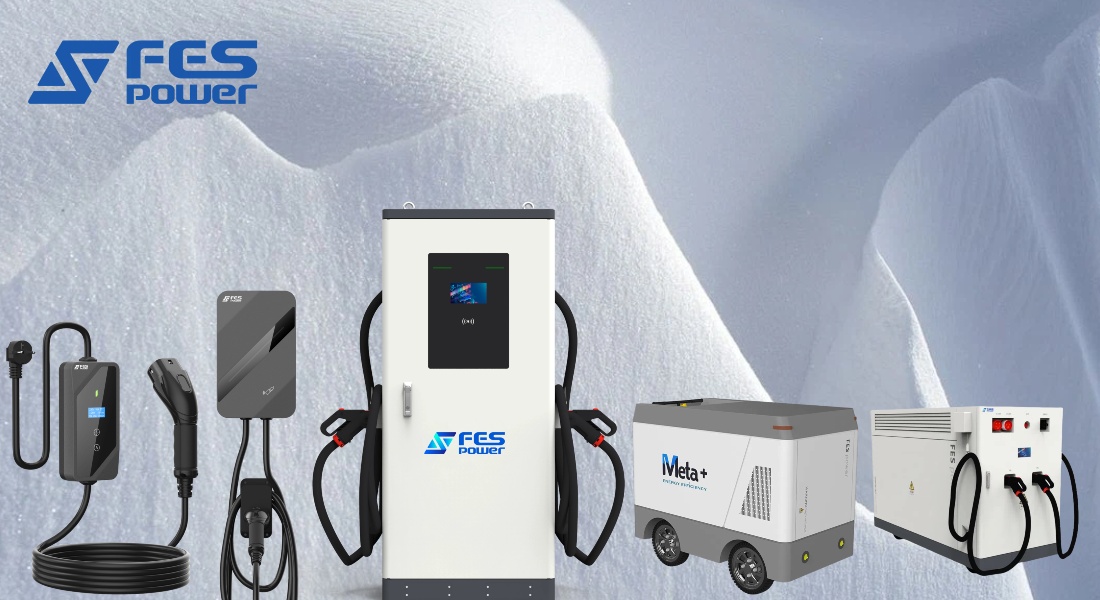
FES Power is committed to delivering winter-ready charging solutions, including:
⚡ Wide-temperature DC fast chargers
⚡ Durable AC chargers with TPE/TPU low-temp cables
⚡ Smart software for real-time monitoring and thermal optimization



 IPv6 network supported